
When Does Your Business Need Same-Day AC Repair?
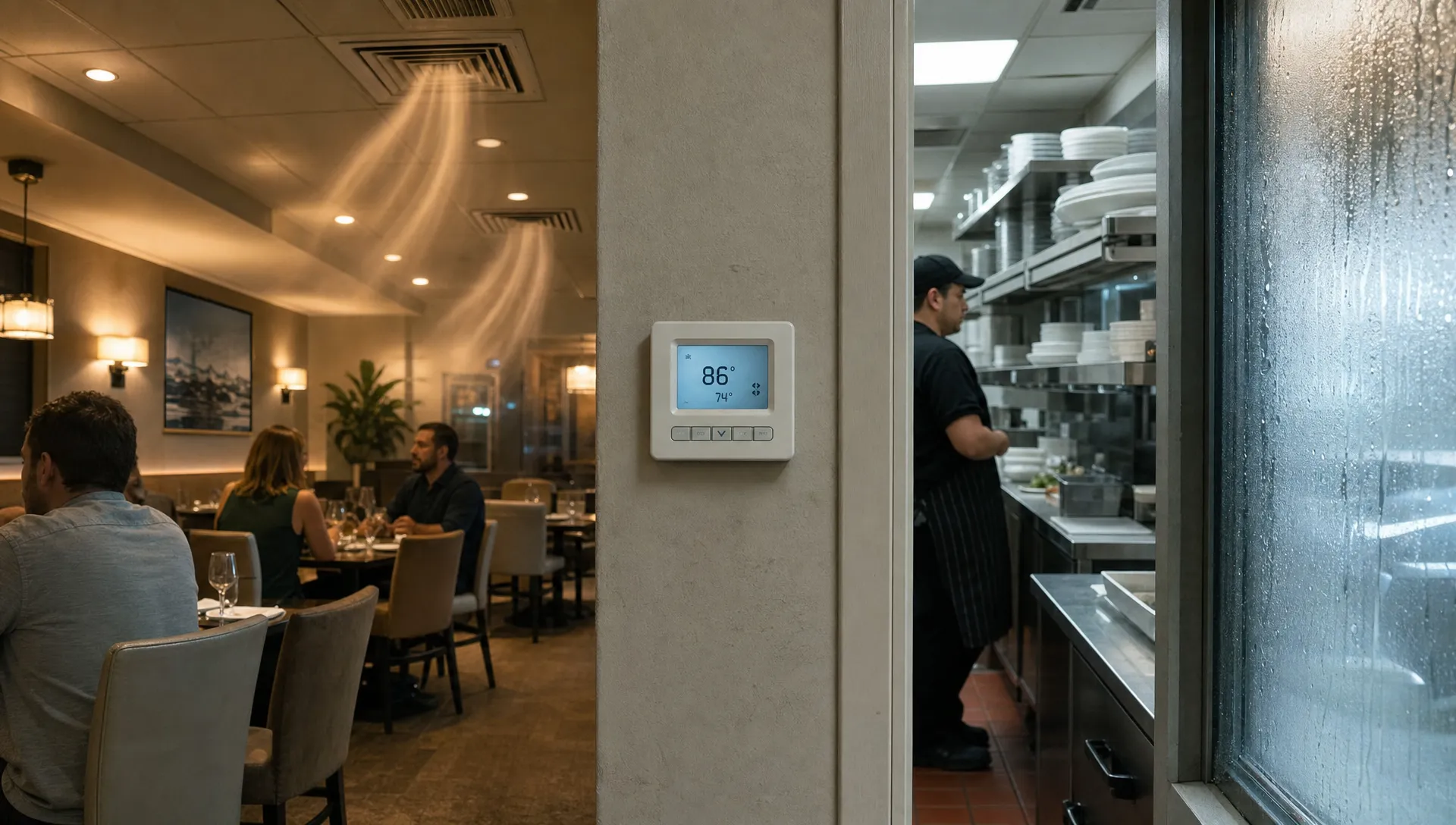
Commercial AC problems are not all equal. A slightly warm conference room is annoying; a failed rooftop unit over a dining room on a 92°F afternoon can cut sales, create staff safety concerns and strain refrigeration equipment that is already working hard.
If you are searching for same day AC repair, the practical question is simple: will waiting until tomorrow put people, inventory, equipment, revenue or compliance at risk? If the answer is yes, treat it as a same-day service call. If the system is still controlling temperature and the issue is stable, scheduled service may be the smarter choice.
This guide is written for business owners, facility managers, restaurant operators and property managers in Virginia who need to decide whether an AC problem can wait.
The simple rule: call the same day when waiting changes the outcome
Same-day AC repair is not only for a total shutdown. It is for any cooling issue where delay is likely to make the problem more expensive or disruptive. Commercial HVAC systems serve larger spaces, longer operating hours and more demanding loads than residential systems. A problem that looks small at 9 a.m. can turn into a business interruption by the lunch rush or late afternoon.
Use this quick triage table before deciding whether to call now or schedule later.
| AC problem | Same-day repair? | Why it matters |
|---|---|---|
| No cooling in an occupied business during hot weather | Yes | Indoor temperatures can rise quickly and affect staff, customers, tenants or guests. |
| Warm air from vents with the compressor or rooftop unit running | Usually yes | This can point to refrigerant, compressor, coil, control or airflow issues that can worsen if ignored. |
| Burning smell, electrical odor or repeated breaker trips | Yes | Electrical faults can damage equipment and create safety risks. |
| Water leaking near ceilings, equipment or customer areas | Yes | Condensate problems can damage building materials and create slip hazards. |
| One room is slightly warmer but the building is comfortable | Usually no | This may be a balancing, damper, filter or thermostat issue that can often be scheduled. |
| Restaurant kitchen, server room or mechanical room is overheating | Yes | Heat-sensitive operations may fail before the rest of the building feels uncomfortable. |
| New noise, vibration or short cycling in mild weather | Soon, not always same day | It needs attention, but it may not be urgent if the system is stable and the building is safe. |
When same-day AC repair is the right call
Your staff or customers are exposed to unsafe heat
Call for same-day AC repair when indoor heat is affecting people, not just comfort. That includes employees working in kitchens, warehouses, laundries, mechanical rooms, production areas or retail spaces with heavy sun exposure.
Heat stress is a workplace safety issue. OSHA heat illness guidance specifically addresses the need to protect workers from heat hazards, including indoor heat exposure. If employees are becoming lightheaded, sweating excessively, reporting headaches or avoiding parts of the building because of heat, the AC problem has moved beyond inconvenience.
For customer-facing businesses, heat also affects revenue. Diners leave hot dining rooms, hotel guests complain, patients get uncomfortable in clinics and retail customers shorten their visits. Even if you can limp through the day, the cost of waiting can show up in refunds, lost reservations or unhappy tenants.
The system is running but the building keeps getting warmer
An AC unit that runs constantly without cooling should not be ignored. Continuous operation can overheat motors, stress compressors and drive up energy use without solving the temperature problem.
Common causes include restricted airflow, dirty coils, low refrigerant, failed fans, control problems, economizer issues or a compressor that is struggling. You do not need to know which one it is before calling. If the indoor temperature is climbing and the unit cannot recover, same-day service is reasonable.
For a deeper symptom checklist, VA Commercial Repair Solutions has a helpful guide on how to tell if your commercial AC system needs repair, including airflow issues, shutdowns and temperature swings.
A restaurant, brewery or food-service space is getting too hot
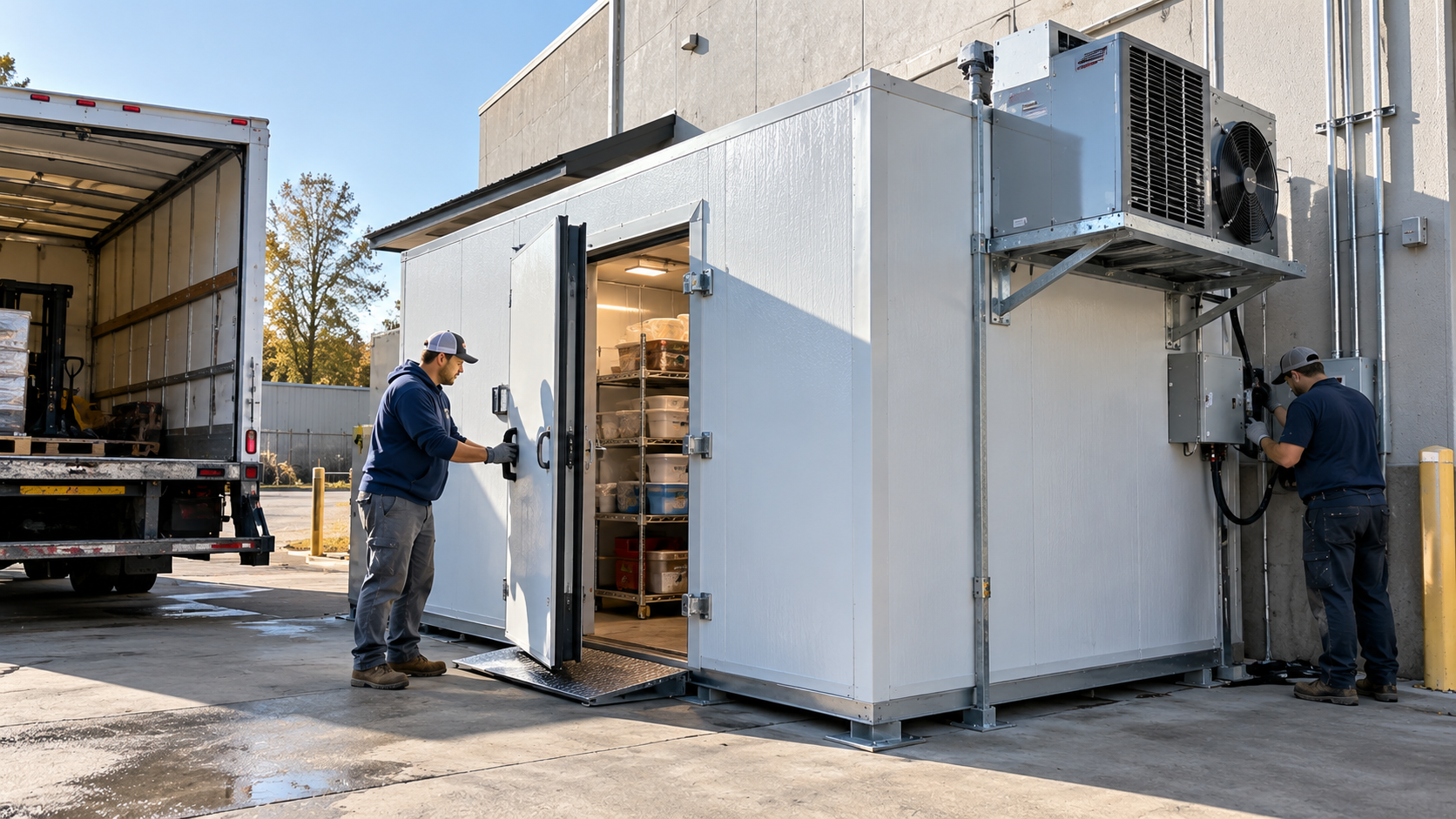
Restaurant AC problems can create a chain reaction. A hot kitchen makes employees work harder, increases hood and make-up air demand and forces refrigeration equipment to reject heat into an already warm environment. The AC may not directly control food temperature inside a walk-in cooler, but the equipment around it can suffer when ambient temperatures climb.
If a dining room is warm during service, call the same day. If the kitchen, dish area, prep area or bar refrigeration zone is also heating up, call even faster. Restaurants operate under food safety obligations, and the FDA Food Code sets cold-holding requirements for time and temperature control for safety foods, commonly 41°F or below. If AC failure is paired with rising cooler, freezer or ice machine temperatures, treat the situation as an HVAC/R emergency rather than a comfort complaint.
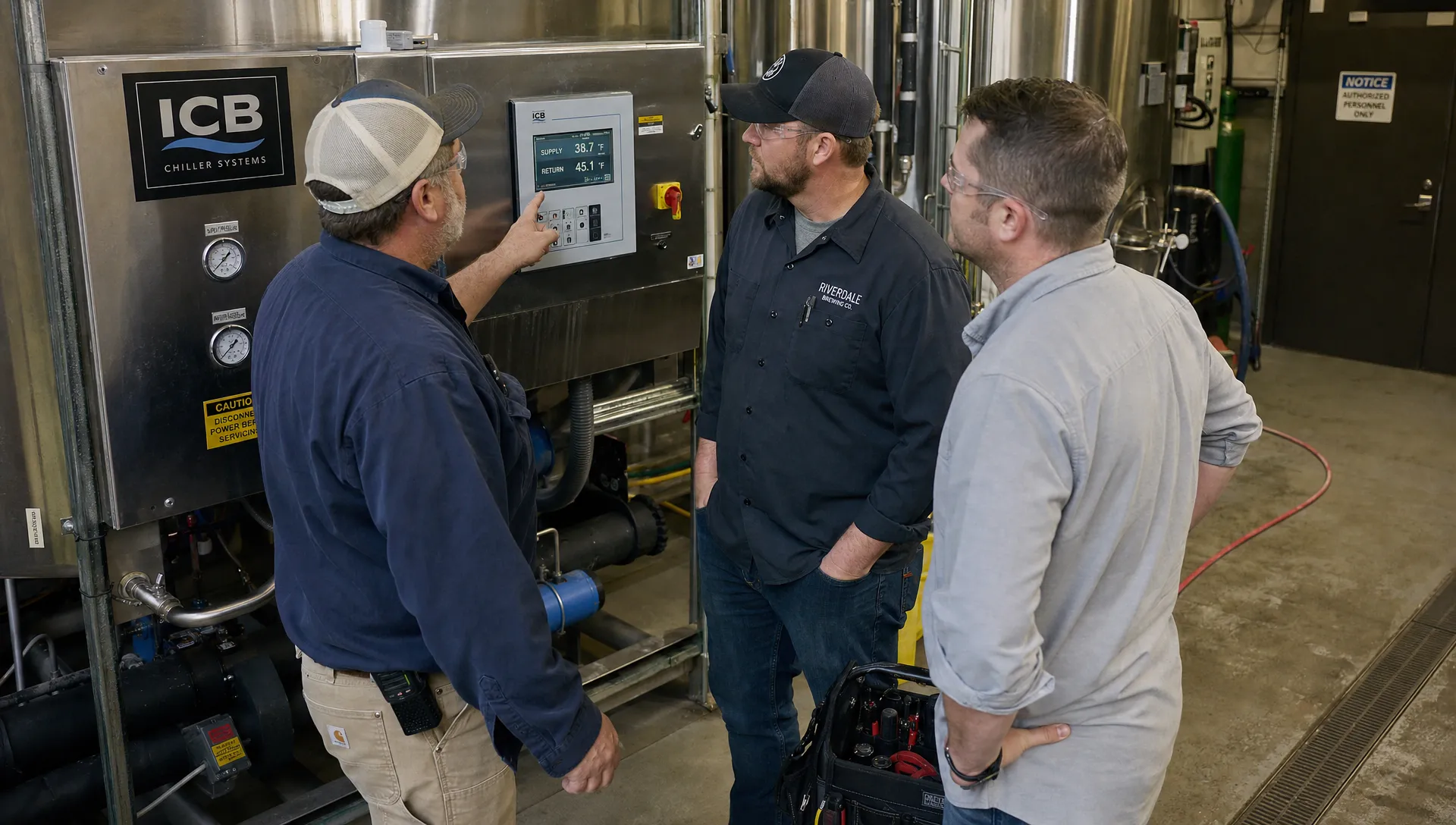
The same logic applies to breweries, wineries, institutional kitchens, convenience stores and food processing facilities. High heat can stress chillers, ice makers, reach-ins, walk-ins and production equipment at the same time.
You notice electrical symptoms
Burning odors, melted insulation smells, buzzing panels, repeated breaker trips or visible arcing deserve immediate attention. Turn the affected equipment off if it is safe to do so, keep staff away from the equipment and call a qualified commercial HVAC or electrical contractor.
Do not repeatedly reset a tripped breaker to keep an AC unit running. A breaker is a protective device. If it trips again after one reset, the circuit may be overloaded or the equipment may have a short, failing motor, grounded compressor or another electrical fault.
This is one reason commercial facilities benefit from a contractor that understands both HVAC and electrical work. The problem may not be obvious from the thermostat. It could be a rooftop unit, disconnect, transformer, panel, contactor or control circuit.
Water is leaking where it can damage the building
Commercial AC systems remove moisture from the air. That water should drain through a condensate system. If you see water around an air handler, ceiling tiles, walls, floors or customer areas, same-day repair is often justified.
Condensate backups can damage drywall, flooring, inventory and electrical components. They also create slip hazards. In a restaurant or retail space, water dripping into occupied areas may require you to close part of the business until the source is found.
A leak may be caused by a clogged drain, failed condensate pump, frozen coil, poor pitch, cracked pan or airflow problem. Some are straightforward repairs, but waiting can turn a modest service issue into building damage.
Critical rooms are losing temperature control
Server rooms, telecom closets, medical storage rooms, lab spaces, electrical rooms and production control areas may need same-day AC repair even when the rest of the building feels fine. These rooms often have equipment that creates its own heat and depends on constant cooling.
If a dedicated mini-split, rooftop zone or split system serving a critical room stops cooling, do not judge urgency by the lobby temperature. Judge it by the temperature trend inside that room and the cost of the equipment it protects.
Property managers should take this seriously in multi-tenant buildings too. A cooling complaint from one tenant may indicate a failed zone damper, VAV box, rooftop unit stage, control sensor or tenant-specific system. Same-day diagnosis can prevent the issue from spreading into after-hours calls.
When the repair can usually be scheduled
Not every AC issue needs same-day dispatch. If the building is safe, the system is operating and the problem is not getting worse, scheduled service may be appropriate.
Examples that can often wait a short time include mild temperature imbalance, a filter-change notification, a small increase in energy use, a thermostat programming question, a single weak supply register or a maintenance reminder. A new noise that appears during mild weather should still be scheduled promptly, but it may not be a same-day emergency if the system is cooling normally.
The key is trend. A stable problem can be planned. A worsening problem should be treated as urgent.
If your issue falls into the gray area, call and describe what is happening. A good dispatcher or service manager will ask about occupancy, building temperature, equipment type, visible leaks, electrical symptoms and whether the unit is serving a critical operation. That conversation helps determine whether you need same-day repair or the next available scheduled appointment.
What to check before you call for same-day AC repair
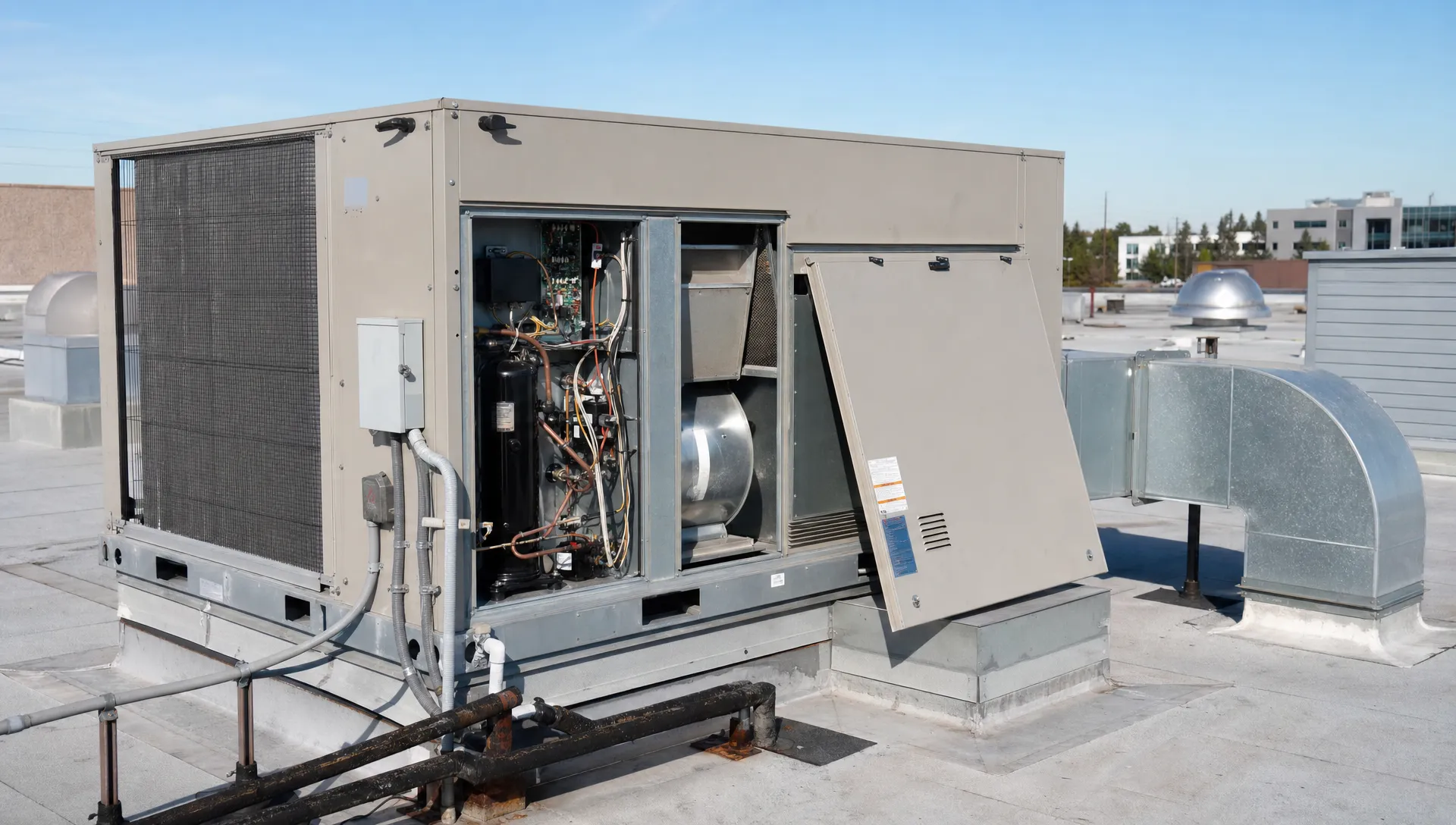
You do not need to troubleshoot the system yourself, but a few safe checks can speed up the call. They also help the technician bring the right parts, tools and access equipment.
- Confirm the thermostat is set to cooling and the setpoint is below the room temperature.
- Check whether the problem affects the entire building or only one zone.
- Look for water, ice buildup, unusual odors, smoke, buzzing or visible damage.
- Note the equipment type if you know it, such as rooftop unit, split system, mini-split or PTAC.
- Record the unit label, error code or thermostat message if one is visible.
- Make sure roof access, mechanical room keys, panel access and tenant contact information are available.
Avoid unsafe checks. Do not open energized electrical panels, climb to a roof without proper access, bypass safety switches, add refrigerant or keep restarting equipment that trips breakers or shuts itself down.
What a commercial technician will look for
A same-day visit should focus on finding the cause, not just getting cold air for a few hours. Commercial systems are interconnected. Airflow, controls, refrigerant, electrical load and mechanical condition all affect performance.
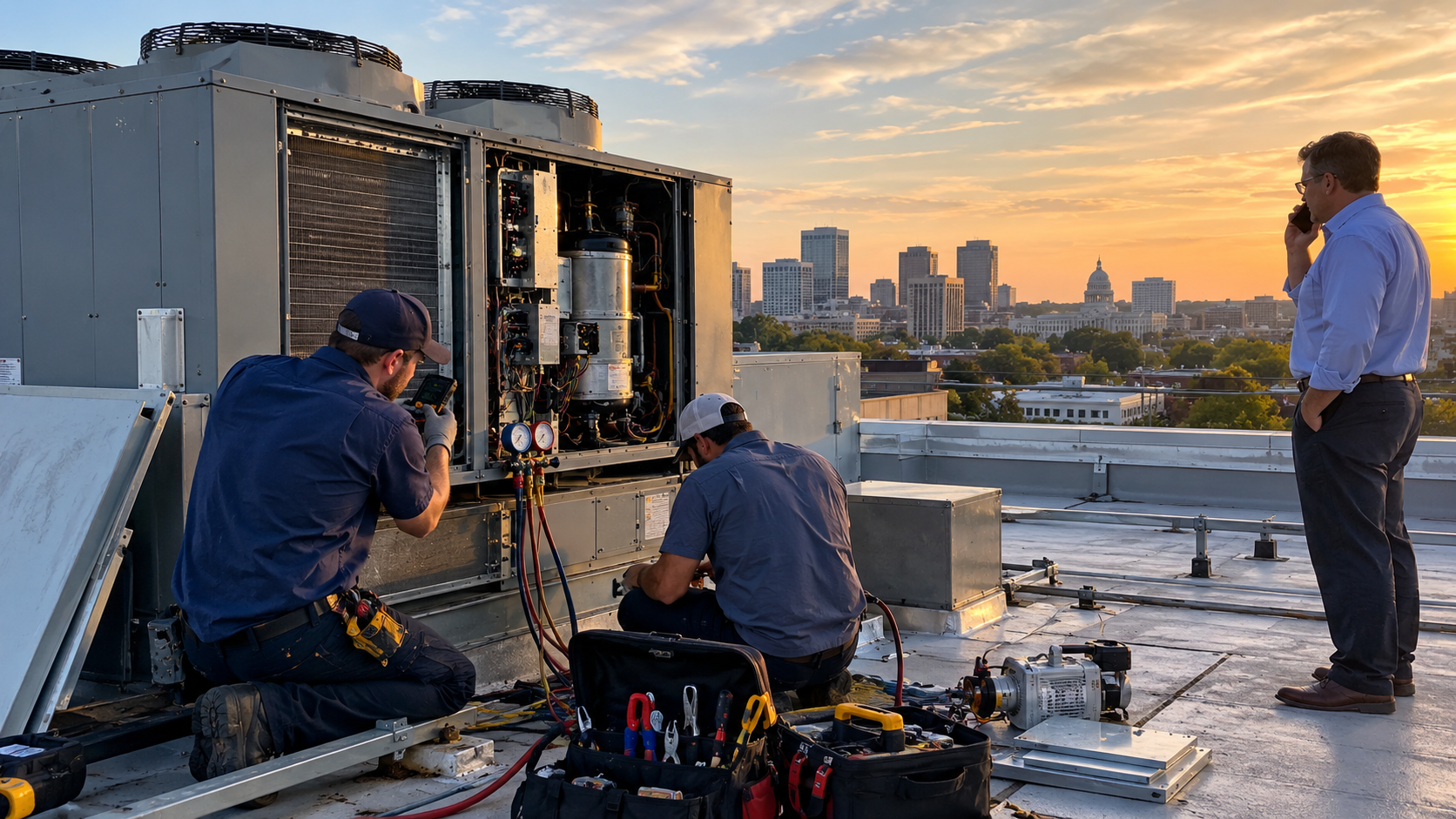
During a diagnostic visit, a technician may check thermostat calls, control voltage, contactors, capacitors, motors, belts, filters, coils, economizers, condensate drainage, refrigerant pressures, temperature split and rooftop unit operation. On larger properties, they may also inspect dampers, building automation controls, make-up air equipment or ventilation settings.
For restaurants and commercial kitchens, the technician may need to consider exhaust hoods, make-up air fans, refrigeration equipment and kitchen heat load. For offices or retail spaces, zoning and rooftop unit staging may be the issue. For hotels or motels, PTACs and guest-room comfort can become urgent when multiple rooms are affected.
This is why same-day AC repair for a business should be handled by a commercial contractor rather than a residential-only HVAC company. The equipment, access requirements, electrical loads and operating priorities are different.
How preventive maintenance reduces same-day emergencies
Emergency repairs will always happen, but many same-day calls start as small problems that were easy to miss: clogged filters, dirty condenser coils, weak capacitors, worn belts, blocked drains, loose electrical connections or failing fan motors.
Routine maintenance gives your contractor a chance to catch those issues before a heat wave exposes them. It also creates a service history, which helps when you need urgent repair. A technician who knows your equipment can diagnose faster than someone seeing the property for the first time.
Commercial maintenance is especially important for businesses with rooftop units, older systems, high indoor heat loads or equipment that runs long hours. Restaurants, breweries, warehouses, offices, schools and institutional kitchens all benefit from planned inspections before peak cooling season.
If you are comparing routine service options, this overview of commercial air conditioning servicing explains how scheduled maintenance can reduce breakdowns, energy waste and premature equipment failure.
How to decide quickly during a busy workday
When you are under pressure, use this five-factor test. If any factor is serious, call for same-day AC repair.
- People: Employees, customers, tenants, patients or guests are uncomfortable or at risk from heat.
- Product: Food, beverages, medicine, electronics or production materials could be affected.
- Property: Water, ice, electrical symptoms or overheating could damage the building or equipment.
- Profit: The issue could interrupt service, close rooms, cancel reservations or stop production.
- Pattern: The temperature, noise, leak or shutdown cycle is getting worse.
This test works well because it keeps the decision tied to business impact, not just thermostat readings. A 78°F office may be tolerable. A 78°F server closet, kitchen prep area or hotel corridor full of guest complaints may require immediate service.
Businesses in Lexington or nearby areas can also review this local guide to emergency air conditioning repair in Lexington, VA for more detail on what can qualify as an urgent commercial cooling call.
Frequently Asked Questions
Is same-day AC repair necessary if the unit is still running? Yes, it can be. If the unit is running but not cooling, short cycling, leaking water, making electrical odors or letting the building temperature climb, same-day repair may prevent larger damage.
What indoor temperature makes commercial AC repair urgent? There is no single number for every business. Urgency depends on the occupants, work conditions, equipment served by that space and whether temperatures are rising. Kitchens, server rooms, clinics and customer spaces usually have less tolerance for heat.
Should I shut off my commercial AC before the technician arrives? Shut it off if you smell burning, see smoke, hear loud electrical buzzing, notice water near electrical components or if the breaker trips repeatedly. If the system is only underperforming, ask the service provider what to do while you wait.
Can same-day AC repair save a compressor? Sometimes. Problems like dirty coils, failed fans, low airflow, electrical issues or refrigerant problems can stress a compressor. Fast diagnosis can reduce that stress, but a compressor that has already failed may need replacement.
Do restaurants need an HVAC/R contractor for AC problems? Often yes. Restaurant cooling issues can overlap with refrigeration, ice machines, exhaust hoods and make-up air. A commercial HVAC/R contractor is better equipped to evaluate the full system than a residential AC provider.
Need same-day AC repair for your business?
VA Commercial Repair Solutions serves commercial and industrial clients in Charlottesville, Harrisonburg, Waynesboro, Staunton, Lexington, Fishersville and surrounding Central Virginia and Shenandoah Valley communities. Calls are answered by a live person 24/7/365, not voicemail, so you can explain what is happening and get guidance on the next step.
The company works on commercial HVAC, refrigeration, ice makers, kitchen equipment, boilers, chillers, exhaust hoods and commercial electrical systems. The approach is repair-first, with replacement recommended only when the equipment cannot be fixed responsibly.
If your building is getting hotter, your staff or customers are uncomfortable or your AC problem could affect food, equipment or revenue, call VA Commercial Repair Solutions at (540) 457-4822 or visit VA Commercial Repair Solutions to request commercial service.
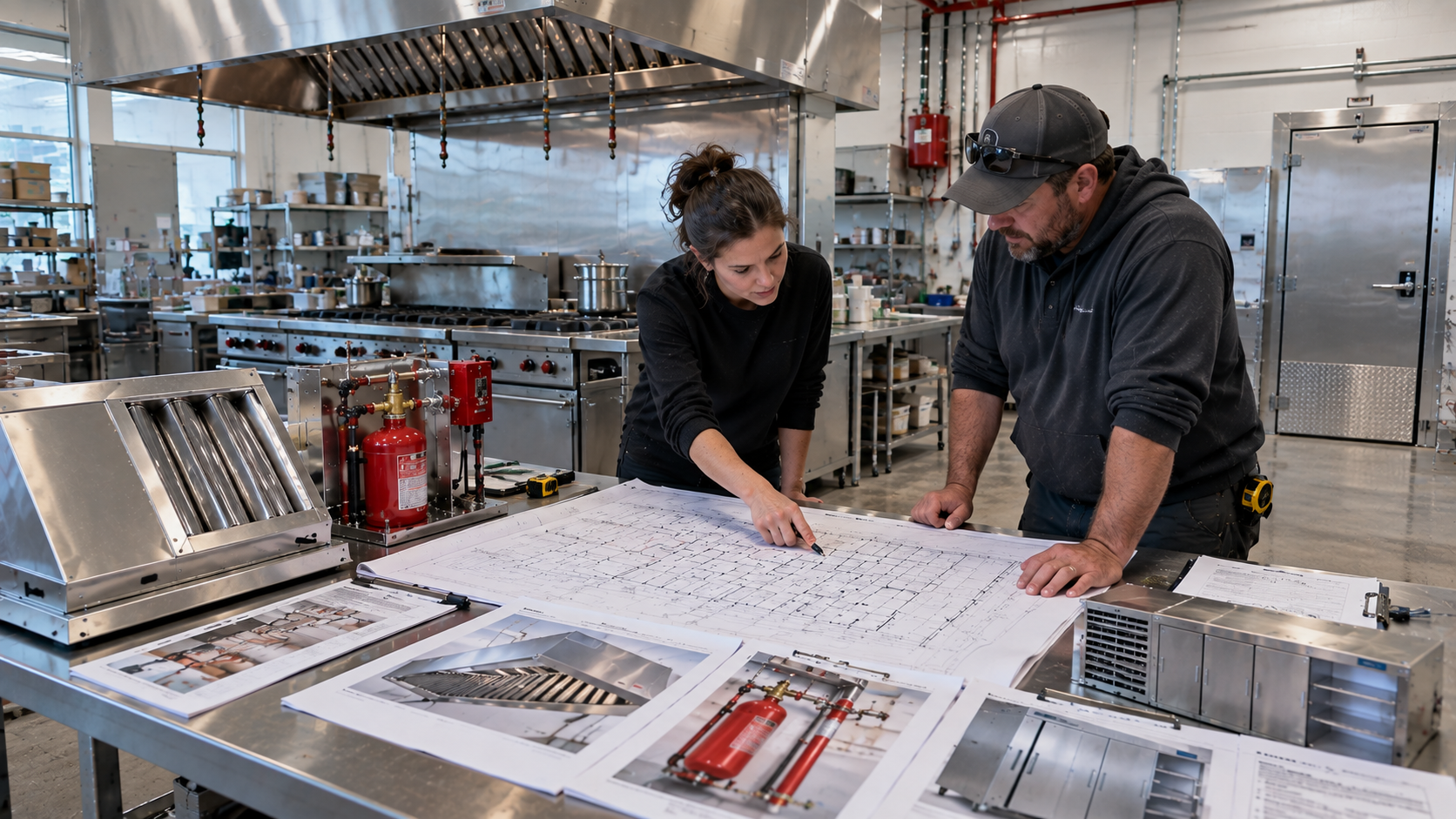
Opening a Restaurant in Virginia: Kitchen Design, Hood, Fire Suppression and Refrigeration Checklist