
Harrisonburg Area Restaurants: Top 4 Fire-Code Mistakes in Hood & Exhaust Systems
Keep your Harrisonburg restaurant compliant and fire-safe with expert exhaust system maintenance and upgrade guidance.
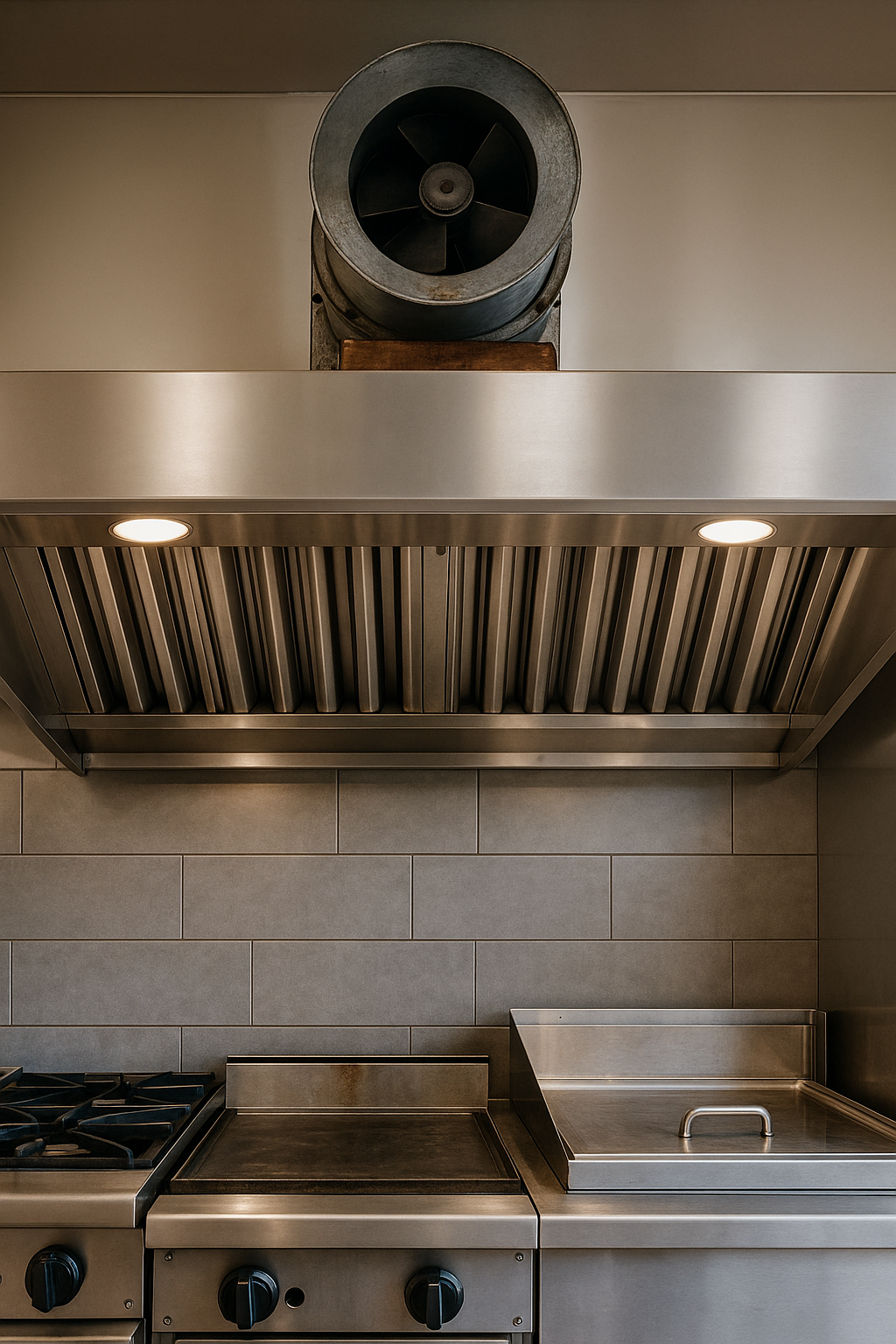
Key Takeaways
- Harrisonburg's Fire Department is increasing restaurant exhaust system inspections ahead of the holiday rush, focusing on grease-laden hoods, ducts, and fire suppression systems
- Inadequate documentation is the most common violation, with restaurants required to maintain service records for at least 3 years
- Undersized hood systems relative to cooking equipment is a serious code violation under Virginia's adoption of NFPA 96 standards
- Monthly filter cleaning and semi-annual professional duct cleaning are minimum requirements based on cooking volume
- VA Commercial Repair Solutions offers comprehensive hood system audits to identify compliance issues before they lead to costly shutdowns
The holiday season approaches, and with it comes increased scrutiny of restaurant ventilation systems across Harrisonburg. Is your kitchen ready for the rush—and the inspections that follow?
Key Harrisonburg VA Hood and Exhaust Fan Regulations
Restaurant owners in Harrisonburg face a complex web of regulations governing commercial kitchen ventilation. Understanding these requirements isn't just about avoiding fines—it's about preventing catastrophic fires and ensuring your business can operate safely through your busiest season.
Virginia Fire Prevention Code Requirements
Virginia has adopted the International Code Council model regulations, which provide specific requirements for commercial kitchen ventilation systems. According to code section 13 VAC 5-52-150, "Cooking equipment that produces grease-laden vapors shall be provided with a kitchen exhaust hood in accordance with NFPA 96, Annex B." This means any equipment producing grease-laden vapors—from fryers to grills—must have appropriate ventilation that meets national fire protection standards. The code also requires proper fire suppression systems, regular cleaning schedules, and maintenance documentation.
Harrisonburg-Specific Inspection Standards
The Harrisonburg Fire Department enforces these codes with particular attention to commercial kitchens. Local inspectors look for complete documentation of regular cleaning and maintenance, properly sized hoods for your specific cooking equipment, and functioning fire suppression systems with current certification tags. Mobile food operations and food trucks operating in Harrisonburg must also comply with Type I hood requirements and automatic suppression systems with service verification every six months.
Why Inspections Increase During Holiday Season
Restaurant activity in Harrisonburg spikes dramatically during the holiday season. Campus celebrations, winter dining rushes, and increased catering for events put additional strain on kitchen equipment and ventilation systems. The Fire Department knows this increased usage elevates fire risks, prompting more frequent and thorough inspections. Preparing now—rather than facing a potential shutdown during your most profitable period—is essential for restaurant operators. We'll identify the 4-key mistakes, provide a correction plan and get your kitchen fully compliant, safe and ready for service.
5 Common Hood System Violations That Could Shut Down Your Restaurant
Harrisonburg Fire Inspector Alert: "We're seeing an alarming trend of non-compliance with hood and exhaust systems. The most common violations could be prevented with regular maintenance and proper documentation. These aren't just paperwork issues—they represent serious fire hazards that can threaten lives and businesses."
Understanding what inspectors are looking for can help you avoid the most common violations. Here are the five issues that repeatedly cause problems for Harrisonburg restaurant owners:
1. Inadequate Cleaning Documentation
In Harrisonburg, the absence of documented service records is the number one cause of non-compliance citations. Every hood cleaning must be documented with the date, technician's name, findings, and actions taken. These records must be kept on-site and available for inspection for at least three years. Many restaurant owners are surprised to learn that even if their system is clean, lacking proper documentation can still result in a citation or even a temporary closure order.
2. Improper Hood Sizing or Fan Capacity
One of the most frequent violations in commercial kitchens is undersizing the hood or exhaust fan relative to the cooking equipment. As restaurants add new equipment or change their menu, they often neglect to verify if their existing hood system can handle the additional load. According to International Code Council regulations adopted in Virginia, your hood must adequately capture all grease-laden vapors from your cooking equipment.
The consequences of an undersized system are severe: grease accumulation throughout the kitchen, fire hazards, and poor air quality for staff and customers. When inspectors find a hood that's inadequate for the equipment beneath it, they can require immediate modifications or even temporarily close the kitchen until proper ventilation is installed.
3. Missing Fire Suppression System Tags
Every fire suppression system in a Harrisonburg restaurant must have current inspection tags that verify semi-annual testing by certified technicians. These bright colored tags are among the first things inspectors look for when entering your kitchen. Missing, outdated, or tampered tags will trigger an immediate violation, as they indicate a potentially non-functional fire suppression system—one of the most critical safety features in your kitchen.
4. Excessive Grease Buildup in Ducts
While most restaurant owners understand the importance of cleaning hood filters, many neglect the entire ventilation system—especially the hidden ductwork. Grease accumulation in ducts presents one of the most dangerous fire hazards in commercial kitchens. During inspection, Harrisonburg fire officials may use depth gauges to measure grease buildup or inspect access panels to verify system cleanliness. According to the Fire & Safety guide, "Dirty hoods are the major causes of fire in commercial kitchens," making thorough cleaning essential.
5. Make-Up Air Imbalance Problems
Your exhaust system removes air from your kitchen, but that air must be replaced—a concept known as "make-up air." When your make-up air system isn't properly balanced with your exhaust system, it creates negative air pressure that can cause doors to slam, pilot lights to extinguish, or even pull carbon monoxide into dining areas. Inspectors check for proper make-up air operation and balance as part of their review, as imbalances create both operational and safety hazards.
The Pre-Holiday Hood System Inspection Checklist
Before the holiday rush hits your Harrisonburg restaurant, conduct this comprehensive pre-inspection to avoid violations and ensure safety. This practical audit will identify issues before they become costly problems during your busiest season.
Filter Inspection and Replacement Schedule
Hood filters are your first line of defense against grease fires and should be inspected weekly. Look for sagging, excessive grease coating, or visible wear that might compromise effectiveness. For most Harrisonburg restaurants, filters should be cleaned at least monthly, though high-volume operations with heavy frying or char-grilling may require weekly cleaning.
When cleaning, remove filters and soak them in a degreasing solution, then rinse thoroughly with hot water. Never use caustic cleaners that can damage filters, and always allow them to dry completely before reinstallation. Document each cleaning with date, staff member, and condition notes.
Replace any filter that shows signs of deterioration immediately. Even a small gap can allow grease to bypass the filtration system and accumulate in ductwork, creating fire hazards and expensive cleaning requirements down the line.
Fan Motor and Belt Verification
Your exhaust fan is the heart of your ventilation system, and failure during peak service can force an emergency shutdown. Check fan motors for unusual noises, vibration, or overheating that might indicate bearing failure. Inspect belts for proper tension—they should deflect about ½ inch when pressed firmly—and look for cracking, fraying, or glazing that suggests imminent failure.
Verify the fan's performance by measuring amperage draw against the nameplate rating. Higher-than-normal amperage may indicate mechanical problems or grease buildup on fan blades. Document these readings to establish baseline performance and detect trends that could signal developing issues.
Ductwork Cleanliness Assessment
Ductwork inspection requires access panels that should be installed every 12 feet of horizontal ductwork and at each direction change. Use a flashlight to inspect for visible grease buildup, which should never exceed 1/8 inch. If you can run your finger along the duct interior and collect visible grease, your system requires immediate professional cleaning to meet Harrisonburg fire code requirements.
Fire Suppression System Testing
While only certified technicians can perform the required semi-annual testing of fire suppression systems, restaurant owners should conduct monthly visual inspections. Verify that nozzles above cooking equipment are unobstructed and positioned correctly, tamper seals are intact, pressure gauges show proper readings, and the manual pull station is unobstructed and properly labeled. Document these monthly checks to demonstrate your commitment to fire safety when inspectors visit.
Make-Up Air System Balance Check
Test your make-up air balance by slightly opening an exterior door about one inch and observing if it tends to pull closed (negative pressure) or push open (positive pressure). Ideally, the door should remain neutral, indicating balanced air pressure. Significant negative pressure suggests your make-up air system isn't keeping pace with your exhaust system—a condition that requires professional adjustment before the holiday rush strains your equipment further.
What To Do When You Find a Compliance Issue
Discovering a compliance issue in your restaurant's hood system requires immediate attention. The severity of the problem will determine whether you need emergency repairs or can schedule maintenance during off-hours. Either way, prompt action is crucial to maintain both safety and legal operation status.
Emergency vs. Scheduled Repairs: Timing Considerations
Not all hood system issues require immediate shutdown. Critical issues that demand emergency attention include non-functioning fire suppression systems, excessive grease buildup creating immediate fire hazards, or complete exhaust fan failure. These situations typically require same-day attention and may necessitate temporary closure until repairs are completed. For less urgent matters like minor filter damage or early signs of belt wear, you can schedule repairs during off-hours to minimize business disruption.
When planning repairs ahead of the holiday season, remember that qualified technicians' schedules fill quickly. Book preventative maintenance at least 4-6 weeks before your anticipated busy period to ensure availability and allow time for any unexpected issues that might require additional work.
Documentation Requirements for Inspections
Every repair or maintenance activity must be thoroughly documented to satisfy Harrisonburg inspection requirements. Your documentation should include the service date, technician's name and certification details, specific work performed, parts replaced, and recommendations for future maintenance. Photos before and after service provide compelling evidence of compliance and should be included in your records. Keep these documents organized chronologically in a dedicated fire safety binder that's readily accessible to both staff and inspectors.
Selecting Certified Technicians in Harrisonburg
Not all service providers are qualified to work on commercial kitchen ventilation systems. Harrisonburg inspectors recognize certifications from the International Kitchen Exhaust Cleaning Association (IKECA) and the Certified Hood & Duct Cleaners Association (CHDCA). When selecting a service provider, verify their certifications, insurance coverage, and familiarity with Harrisonburg's specific code requirements. Ask for references from similar restaurants in the area and check their standing with the Better Business Bureau.
Technicians should provide detailed reports after each service visit and be willing to explain their findings clearly. A qualified provider will help you understand compliance requirements rather than simply performing the minimum service required.
How to Create a Maintenance Schedule That Prevents Holiday Disasters
Preventing emergency shutdowns during your busiest season requires a proactive maintenance schedule tailored to your restaurant's specific needs. The cleaning frequency depends primarily on your cooking volume and type of food preparation.
Aligning Cleaning with Your Restaurant's Cooking Volume
According to NFPA 96 standards, which Harrisonburg has adopted, the minimum cleaning schedule is determined by cooking volume. High-volume operations with solid fuel cooking (wood or charcoal) require monthly professional cleaning of the entire system. Moderate-volume restaurants should schedule quarterly cleanings, while light-volume operations might qualify for semi-annual service. However, during holiday periods when cooking volume increases significantly, consider supplementary cleaning to manage the additional grease production. The importance of preventive maintenance during these high-volume seasonal months cannot be overstated.
Track your cooking volume through sales records to determine if your classification changes during holiday seasons. If you typically operate as a moderate-volume restaurant but shift to high-volume during November and December, adjust your cleaning schedule accordingly with an additional service before the rush begins.
Staff Training for Daily Hood Maintenance
Your kitchen staff plays a crucial role in maintaining your exhaust system between professional cleanings. Create a clear checklist of daily, weekly, and monthly tasks with assigned responsibilities. Daily tasks include wiping down hood surfaces, checking that nozzles remain unobstructed, and verifying proper fan operation. Weekly tasks might include deeper cleaning of accessible hood surfaces and checking filters for excessive buildup. Monthly responsibilities should include thorough filter cleaning or replacement and basic inspection of fan operation.
Invest time in training staff not just on cleaning procedures but also on recognizing warning signs that require immediate attention. These include unusual noises from the exhaust fan, visible grease dripping from seams or filters, or smoke failing to capture properly. When staff understand how the system works and why maintenance matters, they become your first line of defense against compliance issues.
Record-Keeping Systems That Satisfy Inspectors
Harrisonburg inspectors expect to see comprehensive maintenance records during their visits. Create a system that includes three key components: a maintenance log documenting all cleaning activities, service reports from professional technicians, and a schedule of upcoming maintenance. Consider using a digital tracking system with cloud backup to ensure records are never lost and can be accessed quickly during inspections.
Your documentation should demonstrate the continuity of maintenance over time. Gaps in documentation are red flags to inspectors, suggesting inconsistent compliance. Even if a cleaning was performed but not documented, inspectors will treat it as non-compliance. Photos of clean components with date stamps provide compelling evidence of your commitment to maintenance and can help resolve any questions about compliance history.
The True Cost of Non-Compliance: Beyond Fines
When calculating the true cost of hood system non-compliance, most restaurant owners focus only on potential fines. The reality is far more financially devastating. A single hood system violation can trigger a cascade of consequences that threaten your restaurant's very survival, particularly during the profitable holiday season.
The direct costs begin with citation fines, which typically range from $250-$1,000 for first offenses in Harrisonburg, but can escalate quickly for repeat violations. More significant is the potential for emergency shutdown during inspection, which can cost thousands in lost revenue, wasted inventory, and emergency repair premiums—all amplified during the high-volume holiday season.
Long-term consequences include increased scrutiny from inspectors, who will schedule more frequent follow-up visits once your restaurant has been flagged for violations. This creates ongoing compliance pressure and administrative burden that distracts from operations during your busiest periods.
Insurance Implications of Hood System Violations
Few restaurant owners realize that hood system violations can jeopardize their insurance coverage. Most commercial property insurance policies contain compliance clauses that require adherence to fire codes and safety regulations. If a fire occurs and investigators determine your hood system was non-compliant, your insurer may deny the claim—leaving you personally liable for all damages, repairs, and associated losses. The Harrisonburg restaurant market sees increased activity during the holiday season, making compliance even more crucial.
Insurance companies also review violation history during policy renewals. Documented hood system violations typically trigger premium increases of 15-30%, creating an ongoing financial penalty long after the violation is corrected. Some insurers may even refuse renewal for restaurants with multiple violations, forcing you into high-risk insurance pools with dramatically higher premiums.
Business Interruption Risks During Peak Season
The holiday season represents 20-30% of annual revenue for many Harrisonburg restaurants. A forced closure during this critical period can devastate your annual profitability and create cash flow problems that persist well into the following year. Even a short 2-3 day shutdown for emergency repairs can mean thousands in lost revenue that cannot be recovered.
Legal Liability in Case of Fire Incidents
The most severe consequence of non-compliance is the legal liability created if a fire occurs. Restaurant owners face potential negligence claims from injured employees, customers, and even neighboring businesses affected by a fire. These claims typically exceed insurance coverage limits—especially if your policy has exclusions for code violations—and can lead to personal financial liability.
Criminal negligence charges are also possible in cases of serious fire incidents where code violations contributed to injuries. The legal and financial consequences can continue for years after the incident, potentially ending in bankruptcy or forced business closure.
- Direct costs: Fines, emergency repairs, inspection fees
- Operational impacts: Revenue loss from closures, wasted inventory, staff scheduling disruptions
- Long-term consequences: Insurance premium increases, increased regulatory scrutiny, potential legal liability
The math is simple: investing in proper maintenance and compliance is dramatically less expensive than facing the consequences of violations. A typical professional hood cleaning in Harrisonburg costs $350-800 depending on system size—a fraction of what you might lose in a single day of emergency closure.
Properly maintained systems also operate more efficiently, reducing energy costs and extending equipment life. This creates additional savings that help offset the investment in regular maintenance.
Need Help? Resources for Harrisonburg Restaurant Owners
Navigating hood system compliance doesn't have to be overwhelming. Harrisonburg offers several resources to help restaurant owners maintain safe, compliant operations.
The Harrisonburg Fire Department provides pre-inspection consultations where they'll review your system without issuing citations. The Virginia Restaurant, Lodging & Travel Association offers members access to compliance workshops and preferred service provider networks. For comprehensive system audits, documentation review, and maintenance planning, VA Commercial Repair Solutions specializes in helping Harrisonburg restaurants achieve and maintain compliance through their certified technicians.
Frequently Asked Questions
Restaurant owners in Harrisonburg consistently ask these questions about hood system compliance. Understanding these answers can help you navigate requirements more effectively.
How often should I have my hood and exhaust system professionally cleaned?
Cleaning frequency depends on your cooking volume and type. High-volume operations with solid fuel cooking (wood/charcoal) require monthly professional cleaning. Moderate-volume restaurants typically need quarterly service, while light-volume operations might qualify for semi-annual cleaning. However, the Harrisonburg Fire Department can require more frequent cleaning if inspections reveal excessive grease accumulation. Your hood cleaning professional should provide a recommended schedule based on your specific operation, and this recommendation should be documented in your maintenance records.
What documentation do I need to keep on-site for hood system inspections?
Maintain a fire safety binder containing: all professional service reports for at least 3 years, daily/weekly cleaning logs completed by staff, fire suppression system inspection certificates, installation permits and specifications for any system modifications, and manufacturer documentation for hood components. Each professional cleaning should be documented with before/after photos, the technician's certification information, and specific work performed. Keep this binder accessible to both kitchen managers and inspectors at all times.
Can I clean my hood filters myself or do I need a professional?
You can clean hood filters in-house as part of regular maintenance, but this doesn't replace the need for professional system cleaning. For in-house cleaning, remove filters and soak in a commercial degreasing solution, then rinse thoroughly with hot water.
Document each cleaning in your maintenance log. The complete hood system—including ductwork, fans, and areas beyond the filters—requires professional cleaning at the intervals determined by your cooking volume.
What's the difference between Type I and Type II hoods, and which do I need?
Type I hoods are designed for grease-laden vapor removal and include fire suppression systems. They're required for all cooking processes that produce grease or smoke (frying, grilling, broiling, etc.). Type II hoods handle heat and moisture without grease removal capabilities and lack fire suppression systems. They're used for equipment that produces steam and heat but no grease, such as dishwashers or some ovens.
Most Harrisonburg restaurants require Type I hoods for their main cooking lines. Using a Type II hood where a Type I is required is a serious violation that will result in immediate citation. If you're unsure which type your operation needs, consult with the Harrisonburg Fire Department or a certified hood installation professional.
Correction timeframes in Harrisonburg vary based on violation severity. Critical safety violations that present immediate fire hazards typically require correction within 24-48 hours and may trigger temporary closure until resolved. Less severe documentation or maintenance violations usually allow 7-14 days for correction. Failure to correct issues within the specified timeframe results in escalating penalties, including fines doubling with each reinspection and potential closure orders.
When you receive a violation, document your correction plan immediately and communicate proactively with inspectors about your timeline. This good-faith effort can sometimes result in extended correction periods for complex issues requiring specialized parts or service providers.
Remember that violation histories affect future inspections. Restaurants with previous violations face more frequent and stringent inspections, while those maintaining consistent compliance may qualify for extended inspection intervals.
Violation Severity Guidelines:
Critical (24-48 hours): Missing/non-functional fire suppression, extreme grease buildup, fan failure
Serious (3-7 days): Overdue professional cleaning, improper filter installation, damaged fire system components
Standard (7-14 days): Documentation gaps, minor maintenance issues, accessibility concerns
The holiday season represents both opportunity and risk for Harrisonburg restaurants. Proper hood system maintenance ensures you can safely capitalize on increased business without interruption. By following the guidelines in this checklist, you'll not only achieve compliance but also improve operational efficiency and safety.
VA Commercial Repair Solutions provides comprehensive hood system audits, maintenance programs, and emergency services to help Harrisonburg restaurants maintain compliance and prevent costly disruptions, especially during your most profitable seasons.
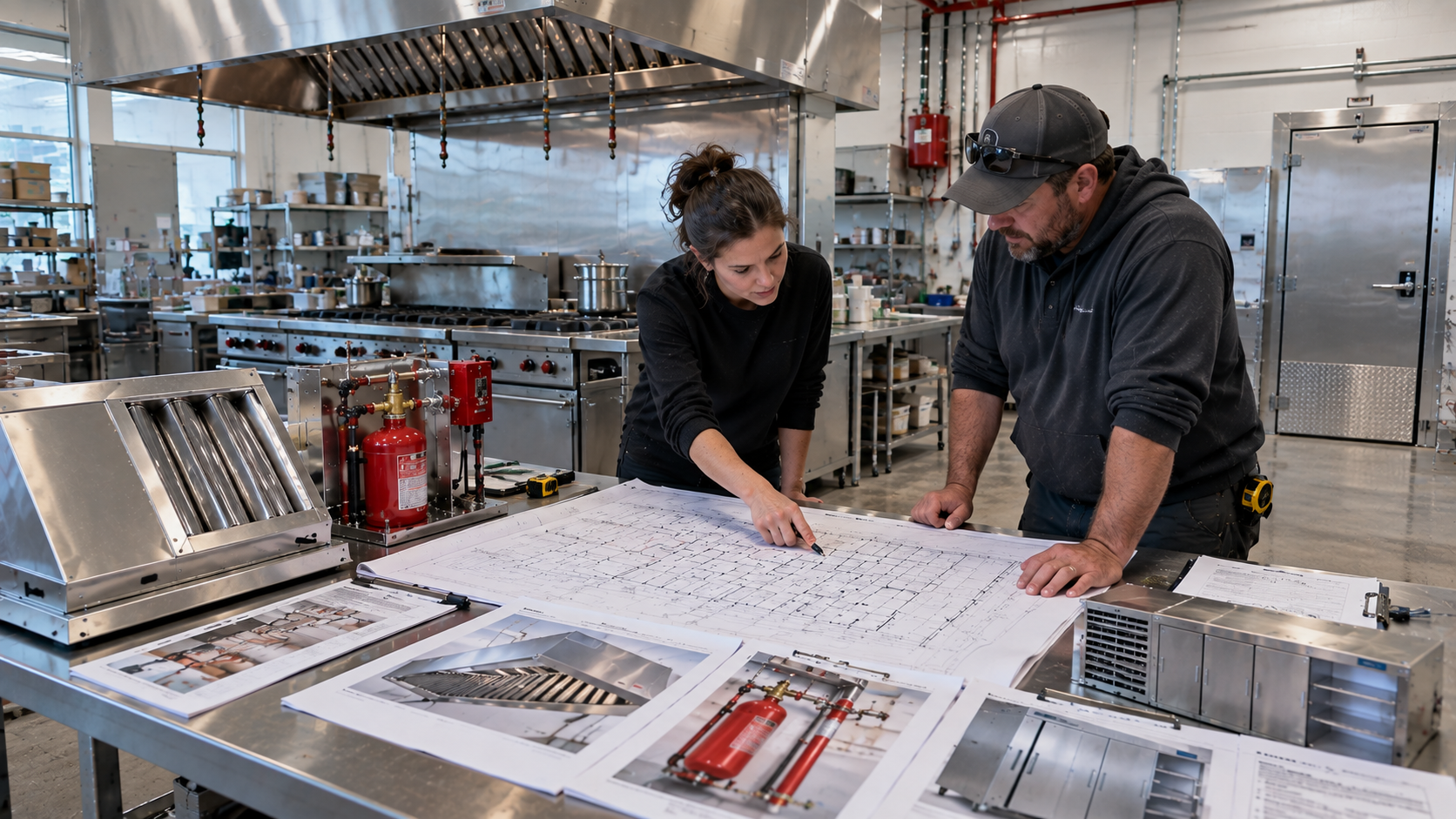
Opening a Restaurant in Virginia: Kitchen Design, Hood, Fire Suppression and Refrigeration Checklist