
Charlottesville Restaurant Hood & Exhaust Fan Compliance: A Pre-Holiday Checklist
Ensure your Charlottesville restaurant’s hood and exhaust systems meet Virginia health and fire codes before the holiday rush—with expert help from VA Commercial Repair Solutions.
Key Takeaways
- Restaurant hood and exhaust systems must comply with Virginia Food Regulations (12 VAC 5-421), with non-compliance potentially resulting in warnings, fines, or closure.
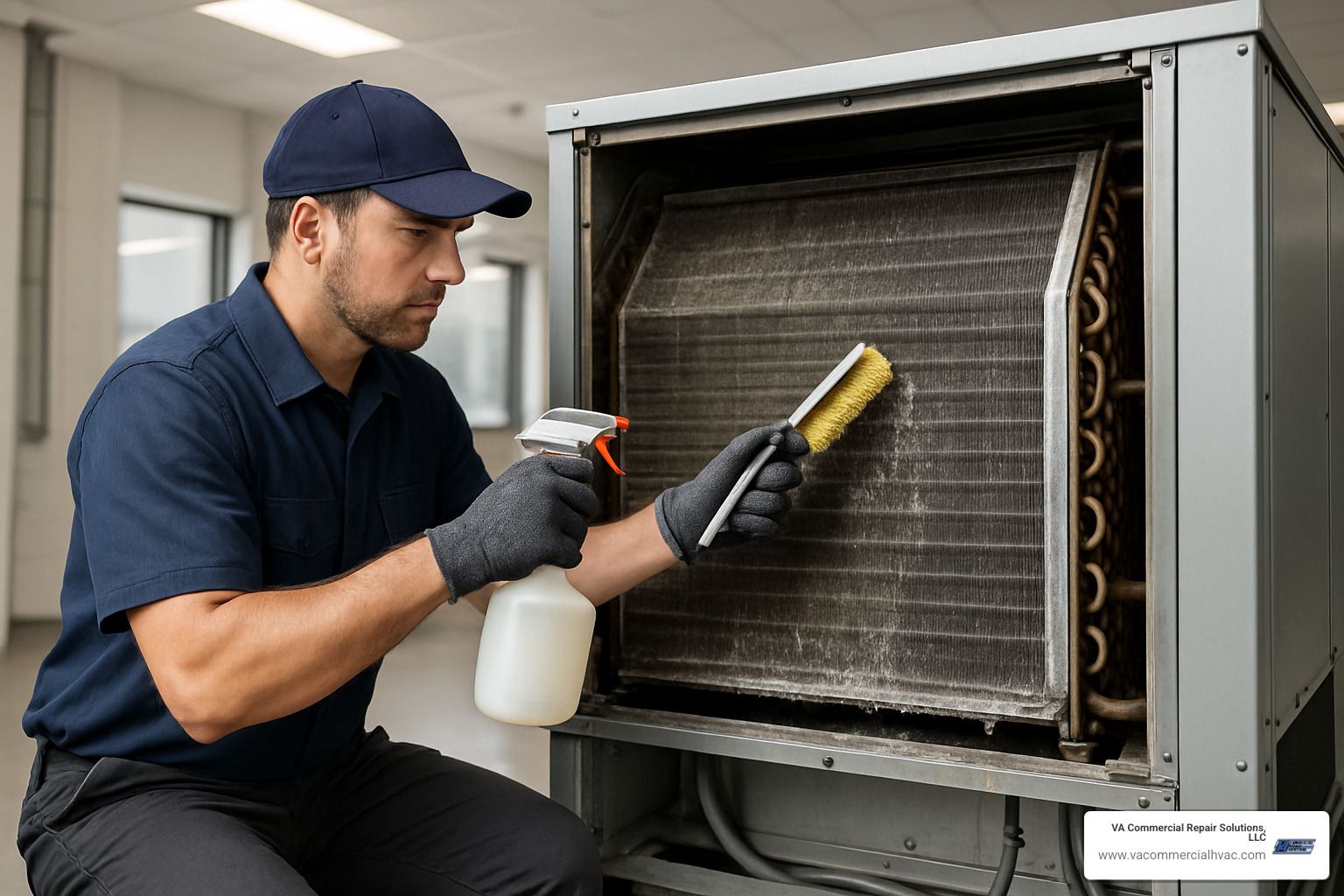
- Common warning signs of exhaust system failure include smoke escaping during cooking, increased heat in kitchen areas, unusual fan noises, and visible grease buildup.
- The Thomas Jefferson Health District works with fire and building code officials to inspect commercial kitchens in Charlottesville, focusing on proper hood coverage, fan capacity, and fire suppression systems.
- VA Commercial Repair Solutions provides comprehensive hood and exhaust fan inspections to ensure your system is compliant before the busy holiday season begins.
- Proper documentation including cleaning logs, maintenance records, and fire suppression certification must be readily available during health inspections.
The busy holiday season is rapidly approaching, and your restaurant kitchen is about to face its most demanding time of the year. Is your exhaust system up to the challenge? A single compliance issue could derail your entire operation during this crucial revenue period.
Proper ventilation isn't just a regulatory checkbox—it's a critical safety system that protects your staff, customers, and business investment. The Thomas Jefferson Health District works alongside fire and building code officials to ensure commercial kitchens in Charlottesville meet all necessary requirements. VA Commercial Repair Solutions specializes in helping restaurant owners navigate these complex compliance requirements, providing expert guidance on hood and exhaust system maintenance that keeps your kitchen operating safely through peak seasons.
With increased cooking hours and higher volume production ahead, now is the time to verify your ventilation system is fully compliant and operating efficiently. Let's examine what you need to know before inspectors arrive.
Critical Safety Checklist at a Glance
Before diving into the details, here's what Charlottesville restaurant owners must verify about their exhaust systems:
- Type I hoods installed over all grease-producing equipment
- Exhaust fan capacity properly matched to cooking equipment
- Make-up air systems balanced and functioning
- Fire suppression systems installed, tagged, and current
- Maintenance logs and cleaning records up-to-date
- All access panels secured but accessible for inspection
Why Your Restaurant's Exhaust System Could Be a Holiday Fire Hazard
Holiday dining in Charlottesville means your kitchen ventilation system faces extraordinary demands. More cooking hours, expanded menus, and increased production all contribute to accelerated grease accumulation in your exhaust system. This buildup creates a serious fire risk that grows with each passing day.
According to industry safety reports, dirty hoods are among the leading causes of restaurant fires. When grease accumulates in hoods, ducts, and fans, it creates a perfect environment for flash fires that can quickly spread throughout your establishment. These fires often start during peak cooking times—precisely when your restaurant is at maximum occupancy.
The financial impact extends beyond just property damage. An exhaust system fire during the holiday season could mean weeks of closure during what should be your most profitable period. Insurance claims, reputation damage, and potential liability issues compound the problem further. Preventative maintenance isn't just about compliance—it's about business continuity when you need it most.
Essential Charlottesville Health and Fire Code Requirements for Kitchen Hoods
Navigating the regulatory landscape for commercial kitchen ventilation in Charlottesville requires understanding multiple overlapping code requirements. Let's break down the key regulations affecting your exhaust system.
Virginia Food Regulations That Apply to Your Ventilation System
The Virginia Food Regulations (12 VAC 5-421) establish specific requirements for ventilation systems in commercial kitchens. Section 12 VAC 5-421-1480 explicitly states that "Ventilation hood systems and devices shall be sufficient in number and capacity to prevent grease or condensation from collecting on walls or ceilings." This means your system must effectively capture and remove cooking effluent without allowing it to escape into the kitchen environment.
These regulations also require that ventilation systems be installed according to the Virginia Uniform Statewide Building Code. Your hood must be designed to handle the specific types of cooking equipment beneath it, with proper overhang measurements to ensure complete capture of smoke and grease. Additionally, the code mandates regular cleaning and maintenance to prevent buildup that could compromise system performance.
Fire Code Compliance Standards for Commercial Kitchens
Critical Fire Code Requirements for Charlottesville Restaurants
• Hood construction: Non-combustible materials (typically stainless steel)
• Duct construction: Minimum 16-gauge steel or 18-gauge stainless steel
• Clearance to combustibles: Minimum 18 inches unless properly insulated
• Fire suppression: UL 300 compliant system covering all cooking surfaces
• Access panels: Required every 12 feet of horizontal duct and at changes of direction
The Virginia Statewide Fire Prevention Code adopts NFPA 96 (Standard for Ventilation Control and Fire Protection of Commercial Cooking Operations) as the foundation for fire safety requirements. These standards are designed to prevent the ignition and spread of fires related to cooking operations. Your exhaust system must include properly installed fire suppression systems with current inspection tags.
Importantly, these fire code requirements extend beyond just the visible hood. The entire exhaust system—including ducts, fans, and termination points—must meet specific construction and installation requirements. Fire inspectors will examine your system's clearances, access panels, suppression nozzle placement, and fuel shutoff mechanisms to ensure complete compliance.
Thomas Jefferson Health District Inspection Criteria
The Thomas Jefferson Health District (covering Charlottesville and Albemarle County) enforces these regulations through regular inspections. Health inspectors coordinate with fire and building officials to evaluate your kitchen ventilation system. They specifically look for signs that your system is effectively capturing cooking emissions, preventing grease accumulation on surfaces, and maintaining proper air balance throughout the establishment.
Failed hood and exhaust inspections are among the most common reasons for critical violations in Charlottesville restaurants. These failures can trigger mandatory re-inspections, fines, and in severe cases, emergency closure orders. With holiday reservations already on the books, the last thing your restaurant needs is an unexpected shutdown during peak season.
6 Warning Signs Your Hood System Needs Immediate Attention
Recognizing the early indicators of exhaust system problems can save you from costly emergency repairs during the holiday rush. Don't ignore these warning signs that suggest your system requires immediate professional assessment.
1. Smoke Escaping During Peak Cooking Hours
When smoke visibly escapes from under or around the hood during active cooking, it's a clear indication that your capture efficiency is compromised. This could result from insufficient fan capacity, improper hood design, or blockages in the system. Beyond being a compliance issue, escaping smoke creates poor working conditions and can migrate to dining areas, affecting the customer experience during your busiest season.
2. Increased Kitchen Heat and Food Odors in Dining Areas
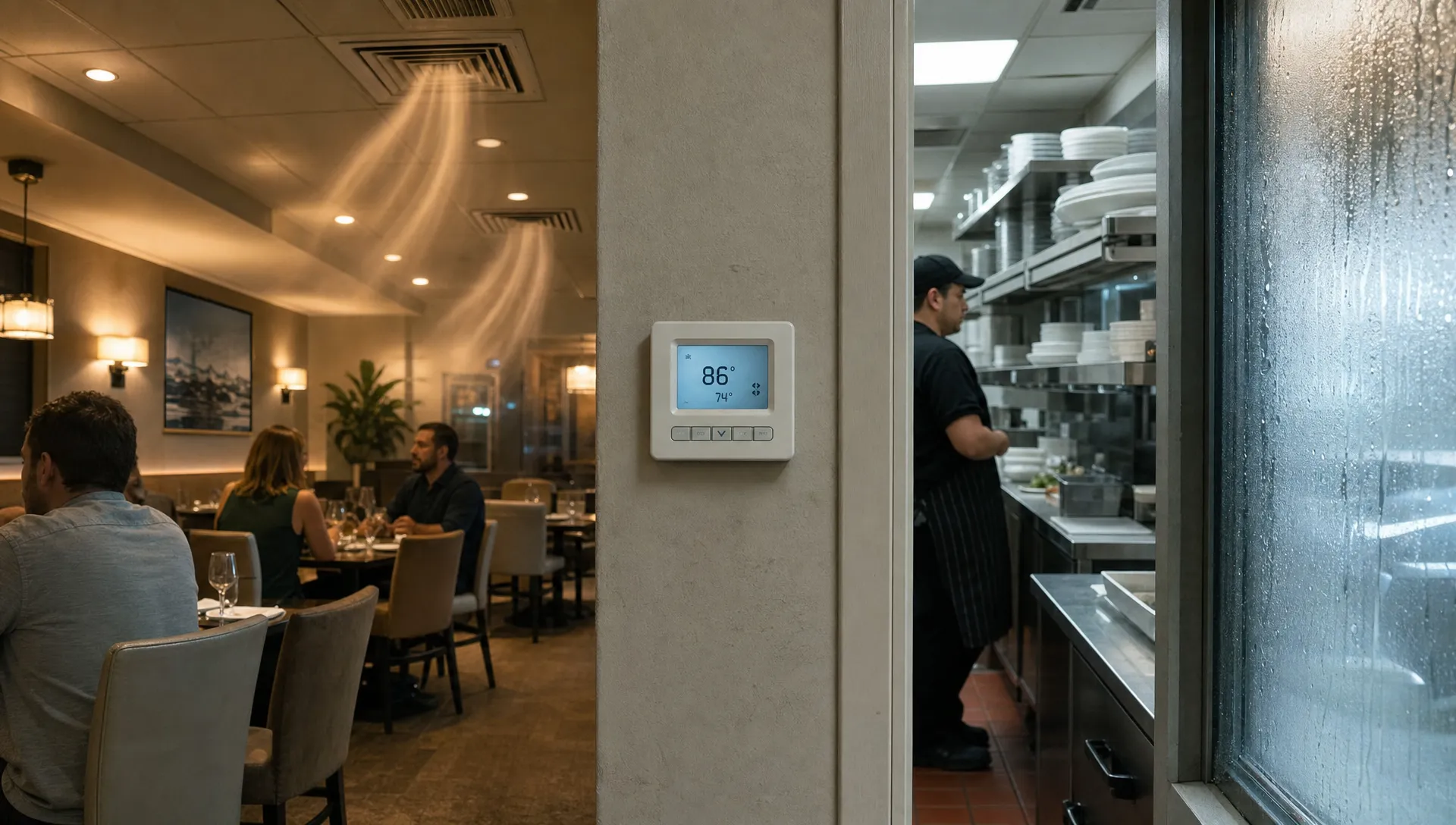
If cooking odors regularly drift into your dining room or kitchen temperatures are climbing, your ventilation system isn't performing effectively. This problem often intensifies during high-volume periods when multiple cooking stations operate simultaneously. The underlying cause may be inadequate makeup air, duct restrictions, or an exhaust fan that's no longer operating at specified capacity.
3. Unusual Fan Noises or Vibrations
New or unusual noises from your exhaust fan—including rattling, scraping, or excessive vibration—indicate mechanical issues requiring immediate attention. These sounds often stem from damaged bearings, fan blade imbalance, or belt problems. Left unaddressed, these minor issues can escalate to complete system failure during your busiest service periods.
4. Grease Buildup on Ceilings and Walls
Visible grease accumulation on kitchen surfaces is a serious red flag that directly violates Virginia's Food Regulations. This condition indicates your hood isn't capturing cooking emissions effectively, allowing grease particles to escape and settle throughout the kitchen. Beyond being an inspection failure point, this grease buildup creates slip hazards and significantly increases fire risk.
5. Negative Air Pressure Problems
If doors are difficult to open or close, or you notice air rushing in when exterior doors open, your kitchen likely has negative air pressure issues. This condition occurs when exhaust systems remove more air than makeup air systems replace. Negative pressure can dramatically reduce hood performance, cause backdrafting in gas appliances, and even pull carbon monoxide into the building—a critical safety concern during high-volume operations.
6. Missing or Outdated Fire Suppression Tags
Fire suppression systems require semi-annual inspection by certified technicians. If your system's inspection tags are missing, illegible, or show dates beyond six months, you're not only out of compliance but operating with an increased safety risk. Fire marshals can immediately shut down operations upon discovering expired fire suppression certifications, particularly during high-risk holiday cooking periods.
Pre-Holiday Hood System Maintenance Checklist
With the holiday season approaching, implementing a structured maintenance program ensures your ventilation system remains compliant and performs reliably during peak demand. Preventative maintenance isn't just about avoiding violations—it's about maintaining business continuity when you need it most.
Begin by scheduling a professional inspection at least 4-6 weeks before your anticipated holiday rush. This timing allows sufficient opportunity to address any identified issues without disrupting your busiest service periods. Following this inspection, implement these regular maintenance practices based on your system's specific requirements.
Weekly Filter Cleaning Protocol
Baffle filters require weekly cleaning in most Charlottesville restaurants, though high-volume operations may need more frequent attention. Remove filters at the end of service (never during cooking operations), and clean using a commercial degreaser and hot water. Some facilities utilize automated filter cleaning systems, which must still be operated on a consistent schedule. After cleaning, filters should be thoroughly dried before reinstallation to prevent moisture accumulation in the hood plenum.
Monthly Fan and Belt Inspection Requirements
Monthly examinations of fan components are essential for early problem detection. Check belt tension and condition, looking for signs of wear, cracking or fraying that could lead to sudden failure. Inspect fan blades for grease accumulation or imbalance that might cause vibration or reduced airflow. Verify that all electrical connections remain secure and that fan motors aren't drawing excessive amperage, which could indicate bearing problems or other mechanical issues requiring professional service.
Quarterly Duct Cleaning Schedule
Professional duct cleaning should occur at least quarterly for standard operations, though many Charlottesville restaurants require more frequent service based on cooking volume and type. A certified hood cleaning service will remove accumulated grease from the entire system, including horizontal and vertical ductwork, the exhaust fan, and all accessible surfaces. Following cleaning, request documentation that includes before-and-after photographs and measurements of grease depth, as these records are essential for both compliance and insurance purposes.
Documentation You Need Before Health Inspectors Arrive
When health or fire inspectors visit your establishment, having organized documentation readily available demonstrates your commitment to compliance and can streamline the inspection process. Proper record-keeping also protects you in the event of disputes or insurance claims.
Create a dedicated compliance binder specifically for your ventilation system that employees can quickly access during inspections. This preparation becomes especially valuable during the holiday season when inspections may occur during your busiest service periods with temporary staff who might not know where records are kept.
Required Cleaning Logs and Maintenance Records
Health inspectors will specifically request documentation of your hood cleaning and maintenance history. Maintain detailed logs that include dates of all filter cleaning, hood degreasing, and duct cleaning services. These records should specify who performed the work, what areas were addressed, and any issues identified during service. For third-party services, retain all service invoices that detail specific cleaning actions and measurements of grease accumulation before and after cleaning.
Create a standardized cleaning log template that staff can easily complete after each maintenance task. This documentation should include initials or signatures of responsible employees, providing clear accountability. During busy holiday periods, assign specific staff members to oversee this documentation to ensure continuity when regular management might be focused on other operational demands.
Fire Suppression System Certification
Fire suppression documentation is non-negotiable for compliance. Maintain current certificates showing semi-annual inspections by licensed technicians. These records must include the inspection date, technician's license number, and detailed notes about the system's condition. Any deficiencies noted during inspection must be accompanied by documentation showing how and when these issues were resolved.
Suppression system tags must remain attached to the system and be clearly visible to inspectors. Schedule your pre-holiday suppression system inspection well in advance, as fire protection companies often experience backlogs during the busy fall season. Remember that expired fire suppression certification can result in immediate closure, even during your busiest service periods.
Equipment Permits and Installation Documentation
Retain all original permits and installation documentation for your hood and exhaust system. These documents should include the mechanical permit issued by the Charlottesville Building Division, equipment specifications, and design drawings. If your system has been modified or expanded, maintain records of these changes, including updated permits and engineering approvals.
These documents prove that your system was properly designed and installed according to applicable codes. They're particularly important if your restaurant has changed ownership or undergone renovations, as inspectors may question whether current equipment configurations match approved designs. Having these records readily available can prevent unnecessary compliance challenges during critical holiday operations.
When Repairs Aren't Enough: Hood Replacement Warning Signs
Sometimes maintenance and repairs can't resolve fundamental issues with aging or inadequate exhaust systems. Recognizing when replacement becomes necessary can help you plan these significant investments before emergency situations force your hand during peak revenue periods.
Age and Performance Evaluation Criteria
Most commercial hood systems have an expected service life of 15-20 years with proper maintenance. Beyond this timeframe, component failures become increasingly common and replacement parts may be difficult to source. If your system requires frequent repairs despite regular maintenance, this pattern indicates declining reliability that could lead to failure during critical holiday operations.
Performance degradation is another key indicator. If your system struggles to maintain proper capture and containment despite being properly cleaned and serviced, the fundamental design or capacity may no longer be adequate for your current cooking operations. Persistent smoke spillage, inability to maintain comfortable kitchen temperatures, or excessive grease accumulation between cleanings all suggest your system may need replacement rather than continued repairs.
Code Changes That Might Require System Upgrades
Virginia building and fire codes have evolved significantly over the years, incorporating stricter safety requirements for commercial kitchen ventilation. While existing systems are often grandfathered under previous code versions, certain triggers can require bringing your entire system up to current standards. These triggers typically include significant kitchen renovations, changes in cooking equipment, or modifications to your building's HVAC system.
If your restaurant has expanded its menu to include more grease-producing cooking methods, your original exhaust system might no longer be classified correctly under current codes. Similarly, if you've increased cooking capacity without proportional ventilation upgrades, your system may be fundamentally undersized for current operations. A professional assessment can determine whether your existing system can be modified to meet current requirements or whether complete replacement is necessary.
How to Schedule Maintenance Without Disrupting Holiday Service
Strategic scheduling of maintenance and inspections is critical to avoiding disruptions during peak holiday periods. Planning ahead ensures your system receives necessary attention without compromising your ability to serve customers during your busiest and most profitable season.
Optimal Timing for Inspections and Cleaning
Schedule comprehensive hood and duct cleaning at least 4-6 weeks before your anticipated holiday rush begins. This timing provides a buffer for addressing any issues discovered during cleaning while avoiding last-minute emergencies. For maximum efficiency, coordinate cleaning services during planned closure days or during minimal operating hours – typically early mornings or late nights when kitchen production is lowest.
Consider implementing a staggered maintenance schedule that addresses different system components at various intervals. For example, schedule filter maintenance weekly, hood surface cleaning bi-weekly, and complete system cleaning monthly or quarterly depending on your operation's volume. This approach distributes the maintenance workload while ensuring all components receive appropriate attention before critical holiday periods.
Emergency Service Options During Peak Business Hours
Despite preventative efforts, emergency situations can still arise during busy holiday service periods. Establish relationships with service providers who offer emergency response options for commercial kitchen ventilation systems. Keep contact information for these providers readily accessible to all management staff, with clear protocols for when and how to engage emergency services.
Consider negotiating priority service agreements with your maintenance providers ahead of the holiday season. These arrangements typically involve a modest premium but guarantee response within specific timeframes even during nights, weekends, or holidays. The cost of these agreements is minimal compared to the potential revenue loss from extended downtime during peak business periods.
The Real Cost of Non-Compliance During Holiday Season
The financial implications of exhaust system non-compliance extend far beyond the immediate costs of repairs or citations. During the holiday season, when restaurants typically generate 25-30% of their annual revenue, the impact of compliance failures can be particularly devastating. Understanding these potential costs helps prioritize preventative maintenance and compliance efforts.
Financial Impact of Emergency Shutdown Orders
When health or fire inspectors discover severe compliance issues with your exhaust system, they have the authority to issue immediate closure orders until violations are resolved. During the holiday season, even a single day of closure can represent thousands of dollars in lost revenue that cannot be recovered. Emergency repairs performed under pressure typically cost significantly more than scheduled maintenance, with rush fees and after-hours labor rates sometimes doubling standard service costs. For restaurant owners and operators in the Charlottesville area, understanding the regulatory context for Charlottesville/VA is crucial to avoiding these costly shutdowns.
Beyond immediate revenue loss, emergency shutdowns during peak periods can trigger staffing challenges as employees seek alternative income sources during what should be their highest-earning period. Reopening after emergency closures often requires additional inspection fees, reinspection scheduling delays, and administrative costs that further compound financial losses.
Insurance Implications of Code Violations
Operating with known exhaust system violations can have serious insurance consequences. Most commercial insurance policies contain compliance requirements and exclusions that may void coverage for incidents resulting from code violations. In the event of a fire traced to an improperly maintained exhaust system, insurers may deny claims worth hundreds of thousands of dollars, potentially forcing permanent business closure.
Even without incidents, documented compliance violations can trigger insurance premium increases during policy renewals. These elevated costs typically persist for years, creating long-term financial impacts far exceeding the cost of proper maintenance. Some insurance providers now require documentation of professional hood cleaning as a condition of coverage, making compliance documentation an essential risk management tool.
The most significant insurance impact often comes from business interruption coverage. If your exhaust system fails during the holiday season but your policy excludes coverage due to maintenance negligence, you'll bear the full financial burden of closure during your most profitable period. The combination of property damage, revenue loss, and ongoing fixed expenses without insurance support has forced many restaurants to close permanently.
Reputation Damage from Public Health Concerns
In Charlottesville's competitive restaurant market, reputation is perhaps your most valuable asset. Health inspection reports are public records, with critical violations related to exhaust systems visible to potential customers through online databases. Local news outlets frequently report on restaurant closures due to health and safety violations, creating publicity that can damage your reputation long after compliance issues are resolved.
Social media amplifies these reputation impacts, with customers quick to share negative experiences related to smoke-filled dining rooms, kitchen odors, or news of health department actions. The holiday season brings many first-time customers to your establishment, making this period particularly sensitive for reputation management. Negative impressions formed during holiday dining experiences can permanently affect customer return rates and word-of-mouth recommendations.
Your Final Pre-Holiday Safety Countdown
With the holiday season approaching rapidly, implement this final countdown checklist to ensure your exhaust system is fully compliant and ready for peak operations. Begin this process at least 8 weeks before your anticipated holiday rush to allow time for addressing any issues that arise during inspections.
8 weeks before: Schedule professional exhaust system inspection and cleaning, including all ductwork, fans, and hood surfaces. Coordinate fire suppression system inspection to occur simultaneously. Document baseline system performance metrics for comparison during peak operations. Review all maintenance records to identify any overdue services or recurring issues that require attention.
4 weeks before: Address any deficiencies identified during inspections. Test makeup air systems to ensure proper kitchen pressurization during full-capacity operations. Verify that all staff understand their roles in daily filter cleaning and system monitoring. Create an emergency contact list for ventilation service providers and display it prominently in the kitchen. Conduct a brief training session for all kitchen staff on recognizing warning signs of exhaust system problems.
1 week before: Perform a final walkthrough inspection of the entire exhaust system. Verify that all documentation is organized and readily accessible for potential inspections. Ensure spare hood filters are on hand to maintain continuous operations during cleaning cycles. Test all aspects of the fire suppression system, including manual pull stations. Confirm that hood surfaces and filters are thoroughly cleaned before the rush begins.
Frequently Asked Questions
Restaurant owners throughout Charlottesville frequently ask these questions about exhaust system compliance. Understanding these common concerns can help you navigate the complex regulatory landscape while maintaining safe and efficient kitchen operations during the demanding holiday season.
Here are the questions we're most commonly asked about restaurant exhaust compliance:
- What specific regulations govern hood systems in Charlottesville restaurants?
- How frequently should different components of my exhaust system be cleaned?
- Who is authorized to perform inspections on commercial kitchen exhaust systems?
- What documentation must I maintain for health and fire inspections?
- How do I know if my existing system needs replacement rather than maintenance?
Let's address each of these important questions to ensure your complete understanding of compliance requirements.
How often should restaurant hood filters be cleaned in high-volume kitchens?
For high-volume operations in Charlottesville, hood filters typically require cleaning every 1-2 days to maintain proper airflow and fire safety. During peak holiday periods, daily cleaning becomes essential for kitchens operating extended hours or with increased production volumes. The frequency depends on your specific cooking processes, with grease-heavy operations like char-grilling or deep frying requiring more frequent attention than operations focused on steaming or baking. Always remove, clean and replace filters during off-hours rather than during active cooking, as removal during operation creates dangerous gaps in fire protection coverage.
What's the difference between Type I and Type II kitchen hoods?
Type I hoods are designed for appliances that produce grease and smoke, while Type II hoods handle heat and moisture from non-grease applications. In Charlottesville restaurants, Type I hoods must be installed over fryers, grills, ranges, broilers, and similar equipment that generates cooking particles and vapors containing grease. These hoods require fire suppression systems, grease-rated ductwork, and specialized cleaning protocols. Type II hoods are appropriate for dishwashers, steam tables, and some ovens that produce heat and moisture but minimal grease. Using the wrong hood type is a common compliance violation that often surfaces during pre-holiday inspections.
Can I perform hood system maintenance myself or do I need a certified technician?
Daily and weekly maintenance tasks like filter cleaning and surface wiping can be performed by properly trained staff. However, Virginia regulations require professional cleaning for ductwork, fans, and fire suppression systems. Complete hood cleaning must be performed by technicians certified in accordance with NFPA 96 standards, with appropriate insurance coverage and hazardous waste disposal practices. Fire suppression inspections must be conducted by licensed fire protection contractors every six months. Attempting to perform these specialized services in-house not only violates compliance requirements but creates significant liability exposure for your business.
The distinction between allowable in-house maintenance and required professional service is often misunderstood by restaurant operators. While daily hood surface cleaning and filter maintenance should be part of your staff's regular duties, documentation of professional service for the entire exhaust system is what inspectors will specifically request during visits.
Properly documenting both in-house and professional maintenance provides a complete compliance record that demonstrates your commitment to safety. This documentation becomes particularly valuable during the high-scrutiny period surrounding holiday operations when inspections often increase in frequency and thoroughness.
How much does a typical hood and exhaust system inspection cost in Charlottesville?
In the Charlottesville area, professional hood and exhaust inspections typically cost between $150-$300 for basic assessment without cleaning services. Comprehensive cleaning services range from $400-$800 for standard systems, with larger or more complex installations commanding higher fees. These costs vary based on system size, kitchen configuration, accessibility factors, and whether the service occurs during regular business hours or requires after-hours scheduling.
While these costs may seem significant, they represent a small fraction of the potential losses from non-compliance. Many service providers offer maintenance contracts that can reduce per-service costs while ensuring regular attention to your system. These contracts often include priority scheduling during busy periods, which becomes particularly valuable when service demand peaks before the holiday season.
What penalties can restaurants face for exhaust system violations in Virginia?
Virginia health code violations related to exhaust systems typically begin with written notices requiring correction within specified timeframes (often 24-72 hours for critical violations). Failure to address these notices can result in follow-up inspections with associated fees, civil penalties ranging from $100-$1,000 per violation, and potential emergency closure orders. Fire code violations carry similar progressive enforcement, though fire marshals have broader authority to issue immediate closure orders when fire hazards are identified.
Beyond official penalties, the most significant consequence typically comes from operational disruption during peak periods. A forced closure for even 1-2 days during the holiday season can represent tens of thousands in lost revenue that cannot be recovered. The combination of financial penalties, corrective costs, and lost revenue makes preventative compliance far more economical than addressing violations after they're discovered.
With proper planning, regular maintenance, and thorough documentation, your restaurant can navigate the holiday season with confidence that your exhaust system meets all compliance requirements. By addressing these critical systems now, you'll ensure uninterrupted operations during your most profitable period while protecting the safety of your staff and customers. For restaurant owners and operators in the Charlottesville area, understanding the regulatory context is essential to maintaining compliance.
Contact VA Commercial Repair Solutions today to schedule your pre-holiday exhaust system inspection and ensure your Charlottesville restaurant stays compliant throughout your busiest season.
Opening a Restaurant in Virginia: Kitchen Design, Hood, Fire Suppression and Refrigeration Checklist