
Cool Picks for Commercial Freezers That Won't Let You Down
Why Your Commercial Freezer Choice Can Make or Break Your Business

When searching for a commercial freezer , you need equipment that handles daily abuse while keeping food at safe temperatures. Here's what matters most:
Key Commercial Freezer Types:
- Upright - Easy access, fits tight spaces (21-72 cu ft)
- Chest - Energy efficient, bulk storage (7-25 cu ft)
- Undercounter - Space-saving prep station integration (2.5-7 cu ft)
- Walk-in - High-volume operations (81-1,600+ sq ft)
- Display - Merchandising with glass doors for impulse sales
Essential Features to Consider:
- Temperature range: -10°F to 0°F for frozen storage
- Auto or manual defrost systems
- Energy Star certification for lower utility bills
- Digital temperature controls with alarms
- Stainless steel construction for durability
The difference between residential and commercial units is huge. Commercial freezers offer faster temperature recovery, heavier-duty components, and consistent performance under constant use. They're built for restaurants, grocery stores, and convenience shops that can't afford downtime.
Your freezer choice impacts food safety, energy costs, and daily workflow. Pick wrong and you'll deal with spoiled inventory, frustrated staff, and angry customers. Pick right and you'll have reliable cold storage that supports your operation for years.
I'm Gregg Kell from VA Commercial Repair Solutions, and I've helped countless Central Virginia businesses choose and maintain commercial refrigeration systems that keep operations running smoothly. In this guide, I'll walk you through the best commercial freezer options for 2024, so you can make a smart investment that won't let you down.

Commercial freezer definitions:
Understanding Commercial Freezer Types

Walking into a commercial freezer showroom can feel overwhelming. Each type has its sweet spot, and understanding these differences will save you from buyer's remorse.
Upright commercial freezers are the Swiss Army knives of frozen storage. These vertical units pack 21 to 72 cubic feet of capacity while taking up minimal floor space. What makes them shine is their quick temperature recovery after door openings - essential when your kitchen staff are grabbing ingredients every few minutes. The shelving system keeps everything organized and visible.
Chest freezers are built for energy efficiency and long-term storage rather than quick access. With capacities from 7 to 25 cubic feet, these top-loading units keep cold air locked inside. Physics works in their favor - cold air is heavy, so it stays put when you lift the lid instead of spilling out.
Undercounter commercial freezers are space-saving heroes. These compact units squeeze 2.5 to 7 cubic feet of storage into spots where larger freezers would never fit. Many feature front-breathing designs that let you install them flush against walls, plus some offer worktop surfaces.
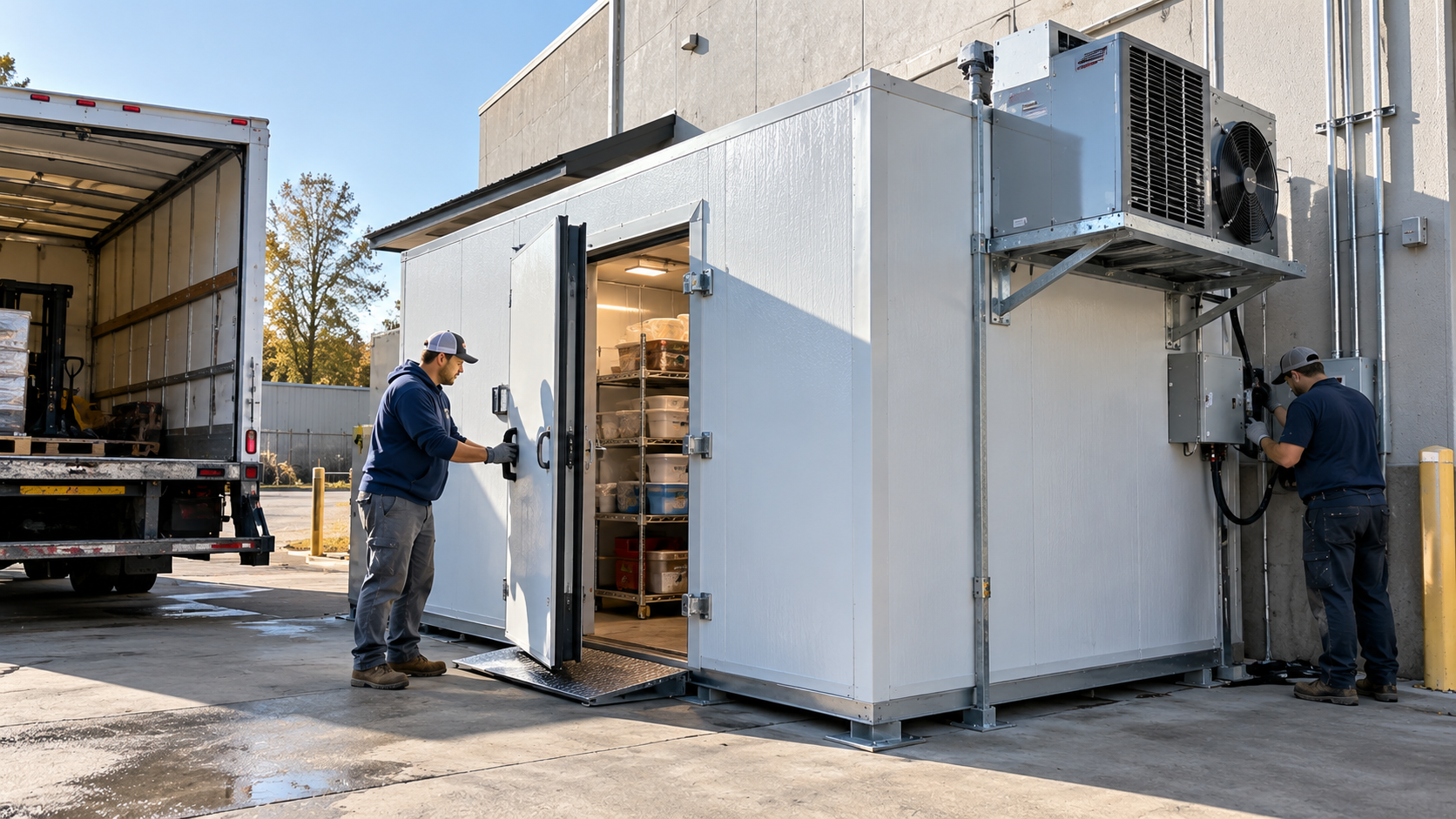
When your operation outgrows everything else, walk-in freezers handle serious volume. Starting at 81 square feet and climbing to over 1,600 square feet, these modular systems are built with insulated panels that can be configured to fit your exact space.
Display freezers store your products while showing them off to customers. Glass doors and LED lighting turn frozen storage into a sales tool, perfect for convenience stores and ice cream shops where impulse purchases drive profits.
| Freezer Type | Footprint | Access Speed | Best For |
|---|---|---|---|
| Upright | Medium | Fast | Daily ingredients |
| Chest | Large | Slow | Bulk storage |
| Undercounter | Small | Fast | Prep stations |
| Walk-in | Large | Medium | High volume |
| Display | Medium | Fast | Retail sales |
Upright vs Chest Commercial Freezer Showdown
Upright commercial freezers are all about speed and convenience - you can scan shelves at eye level, grab what you need, and get back to work. They fit into most kitchen layouts without dominating the floor space.
Chest freezers take the efficiency route. When you open an upright freezer, cold air tumbles out. Open a chest freezer, and that cold air sits there patiently. This translates to lower energy bills and more consistent temperatures.
The storage basket system in chest units works well for bulk items that don't need daily access. But if your staff needs to access varied frozen ingredients throughout the day, constantly digging through baskets gets old fast.
Upright shelving wins the organization game. Adjustable shelves let you customize storage for different product sizes, and everything stays visible.
Which Commercial Freezer Type Fits Small Spaces?
Undercounter commercial freezers are masters of making the most from the least. These units slide beneath prep tables and service counters where traditional freezers would create traffic jams.
Worktop freezers take space efficiency to the next level. You get frozen storage below and a stainless steel prep surface on top - two pieces of equipment for the footprint of one.
The front-breathing design on most undercounter units lets you push them flush against walls without worrying about ventilation clearance.
Walk-In Commercial Freezers for Growing Operations
When reach-in freezers can't keep up, walk-in commercial freezers become game-changers. These are complete cold storage systems designed for serious volume and efficiency.
The modular panel construction makes walk-ins versatile. You can configure them to fit almost any space, from a compact 8' x 10' unit up to warehouse-sized installations. Custom sizing means you're not stuck with one-size-fits-all solutions.
For restaurants planning expansion or operations handling increasing volume, walk-ins offer scalability that reach-in units can't match.
If you're considering a walk-in installation in Central Virginia, we specialize in Walk-In Freezer and Refrigerator Case Design and Installation in Charlottesville, VA.
Choosing the Best Commercial Freezer for Your Business
Finding the perfect commercial freezer isn't about picking the fanciest model or cheapest option. It's about understanding your business and matching that knowledge with the right equipment.
Start by analyzing your menu and operations. List every frozen item you store and note how often your staff accesses each item. Plan for your busiest days, not your average Tuesday afternoon. Calculate storage needs for peak inventory levels and large deliveries.
Temperature requirements matter more than most people realize. While most commercial freezers operate between -10°F and 0°F, your specific products might need different conditions. Ice cream scoops best at around -5°F to -10°F, while meat destined for long-term storage benefits from colder temperatures.
Energy efficiency hits your bottom line every month. Energy Star certified units with eco-friendly refrigerants like R290 cost more upfront, but they save money while they work. Modern compressor technology and thick insulation can cut your energy bills significantly.
Don't overlook digital controls and monitoring systems. Temperature alarms, door alerts, and data logging protect thousands of dollars in inventory while keeping you HACCP compliant.
Warranty coverage varies wildly between manufacturers. Look for comprehensive protection - at least 3 years on parts and labor, with longer coverage on compressors.
For more information on how different business types benefit, check out our guide on Benefits of Commercial Freezers for Businesses.
Capacity & Footprint: Calculating Cubic Feet per Cover
Getting the size right prevents headaches. Too small and you're constantly playing freezer Tetris. Too large and you're paying for space you don't need.
The old rule suggests 1.5 to 2 cubic feet of freezer space per restaurant seat, but that's like saying every person needs the same size shoes. A steakhouse needs way less freezer space than a family restaurant with frozen appetizers and desserts.
Calculate your actual needs by listing every frozen item you stock, determining maximum quantities, and accounting for packaging space and air circulation. Add a 20% buffer for growth and seasonal variations.
Think about your future too. It's usually more cost-effective to buy slightly more capacity upfront than to squeeze in another unit later.
Energy Efficiency & Total Cost of Ownership
Smart buyers focus on total cost of ownership. Energy costs compound every month for years, making efficiency crucial. That commercial freezer that costs $500 more but saves $200 annually pays for itself in less than three years.
Modern compressor technology makes a huge difference. Variable speed compressors adjust their output to match cooling demand, like a car that can cruise at different speeds instead of just full throttle or off.
Insulation thickness directly impacts energy bills. Commercial units typically pack 2-3 inches of high-density foam insulation. Thicker insulation costs more upfront but keeps the cold in with less effort from the compressor.
Check for utility rebates on energy-efficient equipment. Many power companies offer cash back for Energy Star certified commercial freezers .
Safety Features That Protect Inventory
Food safety features protect your investment and reputation. A single freezer failure can cost thousands in spoiled inventory.
Door alarms sound when doors stay open too long, reminding staff to close them quickly. This prevents temperature spikes that compromise food safety and waste energy.
Locking mechanisms protect valuable inventory from theft and unauthorized access. Electronic locks with programmable access codes let you control who can access what, when.
Temperature data logging creates HACCP compliance documentation while helping you spot problems before they become disasters. Modern systems send alerts to your smartphone when temperatures drift outside safe ranges.
Best Commercial Freezer Picks for 2024
After years of servicing commercial freezers across Central Virginia, I've seen which models stand the test of time. Here are my top recommendations for 2024, based on real-world performance and reliability.
The Value Pick – Solid Door Upright Commercial Freezer
Solid door upright commercial freezers in the 21-23 cubic foot range deliver outstanding value for small to medium operations. These workhorses fit into most kitchen layouts without taking over your prep area.
The sweet spot is that 21-23 cubic foot capacity. It's enough storage for daily needs without excessive energy consumption. Stainless steel interiors resist corrosion and wipe clean easily - you'll appreciate this during health inspections.
You'll choose between manual and automatic defrost. Manual defrost costs less upfront and lets you control when defrosting happens. Auto-defrost models cost more but save labor.
Look for units with adjustable wire shelving and digital temperature displays. That -10°F to 0°F temperature range handles everything from ice cream to frozen vegetables.
The Space Saver – Undercounter Commercial Freezer
When every square foot costs money, undercounter commercial freezers are genius. These compact units squeeze 2.5 to 7 cubic feet of storage into spaces you'd otherwise waste.
The front-breathing design is the game-changer. These can sit flush against walls without overheating. Many models offer worktop surfaces on top, giving you prep space above and frozen storage below.
The quiet operation is another bonus. You can install these in front-of-house areas without noise disrupting customers.
The Merchandising Hero – Glass Door Display Commercial Freezer
If you're selling frozen products directly to customers, glass door display commercial freezers pay for themselves through increased sales. Customers buy what they can see.
LED lighting makes everything look appetizing without generating heat. Self-closing doors with stay-open features give customers time to decide while preventing doors from being left open accidentally.
I've seen these units boost impulse sales significantly in convenience stores and cafes.
The Energy Champ – Chest Commercial Freezer with Eco Refrigerant
For maximum energy efficiency and bulk storage, chest commercial freezers with R290 refrigerant are unbeatable. Cold air stays put when you open the lid.
R290 refrigerant is environmentally friendly and more efficient than older refrigerants. Combined with thick insulation, these units deliver the lowest operating costs per cubic foot.
The lockable lid protects valuable inventory, while interior lighting helps you see stored items. These work best for storing large quantities of similar items that don't need constant access.
The Heavy-Duty Walk-In Commercial Freezer Solution
When your operation outgrows reach-in units, walk-in commercial freezers become essential. These are complete cold storage rooms that handle palletized deliveries and serious volume.
Custom panel systems fit almost any space configuration. Remote condensing units keep heat-generating components outside the freezer space, improving efficiency and reducing kitchen noise.
Professional installation is critical for walk-ins. Poor panel sealing or improper refrigeration lines lead to energy waste and temperature problems.
Installation, Energy Efficiency & Maintenance Essentials
Your commercial freezer investment only pays off when it's installed correctly and maintained properly.
Proper installation starts with a level floor even slight tilts can cause doors to swing open or prevent proper drainage. The electrical supply must match your freezer's requirements exactly. Most reach-in units need dedicated 115V or 220V circuits.
Ventilation clearances aren't suggestions they're requirements. Your freezer generates significant heat that must escape for efficient operation. Most units need at least 6 inches of clearance on sides and back.
Temperature calibration ensures your freezer maintains the temperatures you think it does. Digital displays can drift over time, so verify them against calibrated thermometers during installation.
For businesses in Central Virginia, we handle comprehensive Commercial Refrigeration Installation with proper commissioning and staff training.
First-Day Setup Checklist
Getting your commercial freezer setup right from day one prevents problems later. Before your unit arrives , verify your floor can support the weight and confirm electrical connections meet specifications.
During installation , level the unit properly using adjustable legs or casters. Check that electrical connections provide correct voltage and all safety features work. Temperature calibration with a reference thermometer ensures accuracy.
After installation , run a complete temperature pull-down test. Train your staff on correct operation procedures, many service calls result from operator error rather than equipment problems.
Proactive Maintenance to Slash Downtime
Regular maintenance transforms your commercial freezer from a potential liability into a reliable workhorse. Businesses that follow consistent maintenance schedules rarely experience unexpected breakdowns.
Condenser coil cleaning tops the priority list. Dirty coils force everything to work harder. Clean coils monthly in dusty environments, quarterly in cleaner conditions. This simple task often reduces energy consumption by 15-20%.
Door gasket inspection prevents energy drain. Look for tears, gaps, or hardening rubber. The dollar bill test works great if you can easily pull a bill from a closed door, the gasket needs attention.
Temperature monitoring should happen continuously. Log temperatures daily and investigate unusual patterns.
Our guide 7 Tips for a Happy Commercial Refrigerator covers essential maintenance tasks. When problems arise, our Refrigeration Repair Service prioritizes getting you back up and running quickly.

Cutting Energy Bills Without Sacrificing Chill
Smart energy improvements pay for themselves through lower utility bills while maintaining perfect food safety standards.
Night curtains for walk-in freezers create an extra barrier during closed hours. These insulated strips dramatically reduce energy loss when foot traffic is minimal.
Automatic door closers solve the human factor problem. Staff get busy and doors get left ajar. Spring-loaded or magnetic closers ensure doors seal properly every time.
LED lighting retrofits reduce heat load inside your freezer while improving visibility. Traditional bulbs generate heat that your refrigeration system must remove.
Smart controllers optimize defrost cycles based on actual frost buildup rather than arbitrary timers. This prevents unnecessary defrost cycles that waste energy.
The key is choosing improvements that match your operation's specific needs. According to the U.S. Department of Energy, proper maintenance and energy-efficient upgrades can reduce commercial refrigeration energy consumption by 20–30%.
Frequently Asked Questions about Commercial Freezers
How do commercial freezers differ from residential units?
Think of the difference between a family car and a delivery truck. Commercial freezers are built for constant commercial use, working around the clock, 365 days a year.
The most obvious difference is durability . They're built with heavy-duty compressors that handle constant cycling, thicker insulation that maintains temperatures under stress, and reinforced components that won't fail under commercial use.
Temperature recovery tells the real story. Open your home freezer, and it might take 30-45 minutes to recover. A commercial freezer bounces back in 10-15 minutes or less.
The construction materials are completely different. Commercial freezers use stainless steel interiors that resist commercial cleaning chemicals and daily scrubbing. Residential units rely on plastic components that would crack under the same treatment.
What size commercial freezer do I need?
Sizing your commercial freezer is like buying shoes - too small and you'll be miserable, too big and you're wasting money.
Start with your maximum frozen inventory - not what you typically store, but the absolute most you'll ever need. Include large deliveries, holiday prep, and seasonal stock increases.
For restaurants, the old rule is 1.5 to 2 cubic feet per seat , but that's just a starting point. A steakhouse needs way less freezer space than a family restaurant with frozen appetizers and desserts.
Access frequency matters as much as total capacity. If you're storing bulk items used weekly, a chest freezer makes sense. But if staff needs quick access to varied ingredients throughout service, an upright unit beats raw capacity.
Don't forget growth planning . It's usually smarter to buy 20% more capacity upfront than to squeeze in another unit later.
How can I cut energy costs on my commercial freezer?
Energy costs don't have to eat up your profits. Small changes can slash utility bills without compromising food safety.
Clean condenser coils are your biggest energy saver. Dirty coils force your compressor to work 25% harder or more. Clean them monthly in dusty kitchens, quarterly in normal conditions.
Door discipline makes a huge difference. Every time someone opens a freezer door, expensive cold air spills out. Train staff to gather everything before opening doors and close them immediately.
Don't over-chill your products. Every degree below necessary increases energy consumption by 5-10%. Most frozen foods are perfectly safe at 0°F.
Smart organization speeds up access and reduces door-open time. Keep frequently used items near the front, use clear containers, and label everything clearly.
Consider upgrading older units . Commercial freezers more than 10 years old often use twice the energy of modern efficient models.
Conclusion

Your commercial freezer choice shapes your business success more than most people realize. Get it right, and you'll have reliable cold storage that protects inventory, saves energy, and supports smooth operations for years. Get it wrong, and you'll deal with spoiled food, frustrated staff, and emergency repair bills that could have been avoided.
The smart approach starts with matching the right type to your needs . That compact undercounter unit might be perfect for your coffee shop's grab-and-go items, while your growing restaurant operation might need the bulk storage capacity of a walk-in system. Don't let salespeople push you toward more capacity than you need - or less than you'll actually use.
Size matters, but so does efficiency . Calculate your actual storage needs based on menu analysis and delivery schedules, then add a reasonable buffer for growth. Energy costs add up month after month, so investing in an Energy Star certified unit with eco-friendly refrigerant often pays for itself through lower utility bills.
Proper installation and maintenance aren't optional - they're essential for getting the performance you paid for. A perfectly good commercial freezer can become a problem child if it's not installed correctly or maintained properly. Clean those condenser coils, check door gaskets, and don't ignore temperature alarms.
Here in Central Virginia, I've seen too many businesses struggle with refrigeration equipment that should have lasted years longer. That's why at VA Commercial Repair Solutions, we take a different approach. When you call us, you'll reach a real person - no voicemail when your freezer is down and your inventory is at risk.
We believe in fixing what you have rather than selling you something new . Most refrigeration problems can be repaired cost-effectively, often saving businesses thousands compared to premature replacement. Our unique repair guarantees give you confidence that the job will be done right the first time.
Whether you're running a small cafe in Waynesboro or managing a busy restaurant in Harrisonburg, your commercial freezer is too important to leave to chance. From helping you choose the right equipment to keeping it running year after year, we're here to support your success.
When you're ready to upgrade your frozen storage or need service on existing equipment, we serve Charlottesville, Harrisonburg, Waynesboro, Staunton, Lexington, Fishersville, and the surrounding areas with the expertise and 24/7 availability your business deserves. For comprehensive repair and maintenance services that keep your operation running cold and profitable, visit our Commercial Refrigeration Repair page.
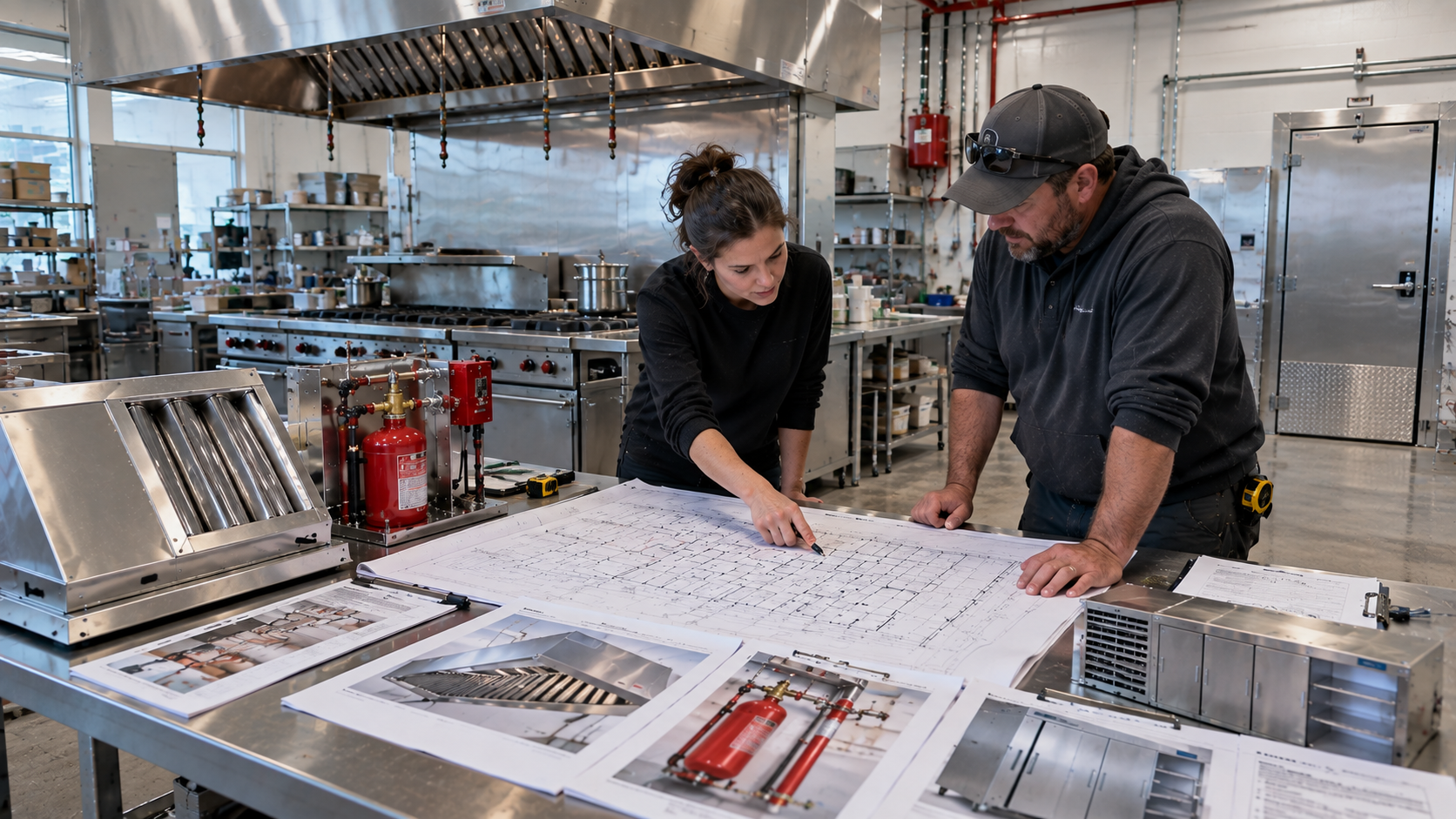
Opening a Restaurant in Virginia: Kitchen Design, Hood, Fire Suppression and Refrigeration Checklist