
Waynesboro Restaurant Furnace Maintenance and Hood Care: A Holiday Readiness Guide
Prepare your Waynesboro restaurant for the holiday rush with essential furnace upkeep and hood system safety tips.
The first chill of a Virginia winter is in the air, signaling that it's time for Waynesboro restaurants to prepare for one of the most demanding yet profitable times of the year: the holiday season. As festive lights adorn the streets and diners seek warmth and culinary delights, the last thing any owner wants is an operational meltdown. The success of your holiday rush often depends on two unseen heroes: your commercial HVAC and kitchen exhaust systems. A reliable furnace creates a welcoming atmosphere that encourages guests to linger, while a clean kitchen hood system ensures your kitchen operates safely and in full compliance. This guide will help Waynesboro restaurateurs prepare these critical systems for a smooth and profitable winter by preventing costly breakdowns, ensuring safety, and maximizing operational efficiency.
The Holiday Rush: Why Proactive HVAC and Hood Care is Crucial for Waynesboro Restaurants
The holiday season in the Shenandoah Valley brings a unique set of challenges and opportunities. Colder weather means your furnace works overtime to combat drafts from constantly opening doors. Simultaneously, your kitchen is likely operating at maximum capacity, churning out seasonal specials and catering to larger parties. This dual strain puts immense pressure on your mechanical systems. A failure in either system during a peak dinner service isn't just an inconvenience; it's a direct threat to your bottom line and reputation.
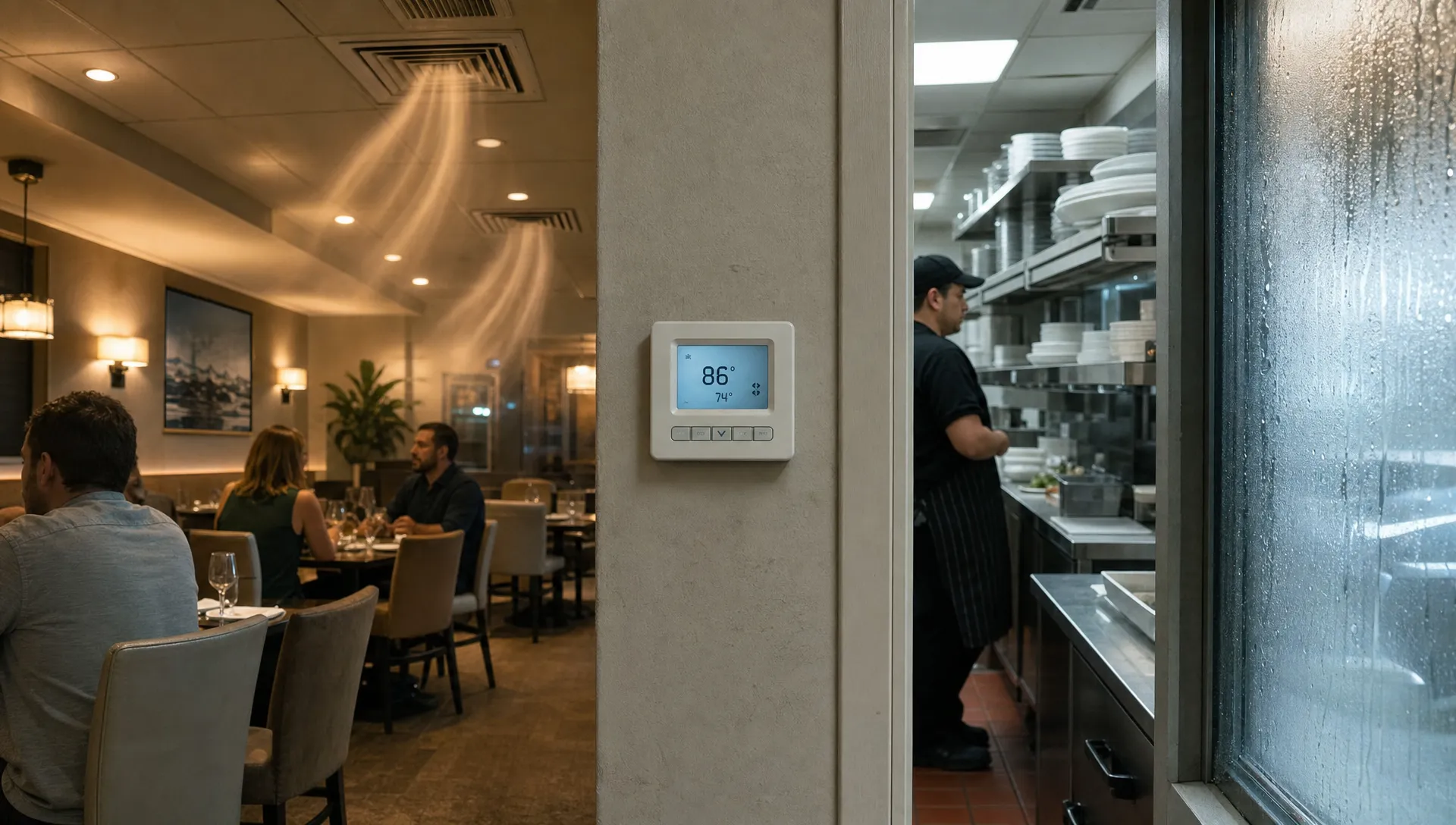
Imagine a packed house on a frigid December evening, and your furnace suddenly gives out. The dining room temperature plummets, turning a festive meal into an uncomfortable ordeal. Guests rush to leave, online reviews mention the "freezing" atmosphere, and you've lost not only that night's revenue but also future business. Now, consider the alternative: a kitchen fire. An exhaust hood choked with grease buildup is a primary cause of commercial kitchen fires. A fire, even a small one, can lead to a complete shutdown, costly repairs, insurance nightmares, and potential health code violations that close your doors indefinitely. The stress on your staff, who are already working hard during a busy season, skyrockets in these scenarios.
This is why viewing preventative maintenance as a strategic investment is critical. It’s not an expense to be cut; it’s insurance against disaster. Proactive care for your HVAC and hood systems is the foundation of holiday readiness. For Waynesboro establishments that cater to loyal locals and tourists exploring the Blue Ridge Parkway, ensuring uninterrupted service is paramount. A comprehensive Waynesboro restaurant HVAC service isn't just about fixing what's broken; it's about guaranteeing your restaurant can handle the pressure and capitalize on the most profitable time of the year.
Essential Furnace Maintenance for Waynesboro Restaurants
While your kitchen is the heart of your restaurant, the dining room is its soul. The ambiance you create is just as important as the food you serve, and in winter, warmth is a key ingredient. A malfunctioning furnace can quickly turn a cozy haven into an uninviting icebox, which is why dedicated Waynesboro restaurant furnace maintenance is a non-negotiable part of your seasonal preparations. Commercial heating systems, especially in high-traffic restaurants, face different demands than residential units. They must consistently maintain a set temperature across a large, open space with doors frequently opening and closing, all while operating efficiently to keep utility bills in check.
Neglecting your furnace leads to a cascade of problems. It starts with inefficiency—dirty filters and worn parts force the system to work harder, consuming more energy for a poorer result. This soon leads to inconsistent heating, creating cold spots in the dining area and uncomfortable drafts. Eventually, this strain causes premature component failure, leading to unexpected breakdowns and the need for emergency repairs at the most inopportune times. By investing in a proactive maintenance plan, such as the comprehensive annual maintenance plan from VA Commercial Repair Solutions, you can catch these issues before they become catastrophic failures.
Key Components of a Commercial Furnace Inspection and Tune-Up
A professional furnace tune-up goes far beyond simply changing a filter. It is a deep, diagnostic process designed to ensure every component is working safely and efficiently. Here’s what a thorough inspection includes:
- Filter Replacement: This is the first line of defense. In a restaurant, filters can quickly become clogged with dust, grease particles, and other airborne contaminants. Clean filters are essential for maintaining strong airflow and protecting indoor air quality for your guests and staff.
- Thermostat Calibration: An inaccurate thermostat leads to energy waste and an uncomfortable environment. Calibration ensures the system responds correctly to the room's temperature, preventing it from running unnecessarily or failing to turn on when needed.
- Blower Motor Inspection: The blower motor is the heart of your furnace's air distribution. A technician will inspect the motor for wear, check its amperage draw, and lubricate moving parts to ensure it runs smoothly and quietly, preventing a costly burnout.
- Heat Exchanger Examination: This is arguably the most critical safety check. A cracked heat exchanger can leak deadly, odorless carbon monoxide into your dining room. A professional inspection is the only reliable way to detect microscopic cracks and prevent a tragedy.
- Ignition System Check: Whether you have a pilot light or an electronic ignition, it must be reliable. A technician will clean and test the ignition system to ensure your furnace starts up safely and consistently every time.
- Ductwork Inspection: Leaky or blocked ducts can cause significant heat loss, meaning you’re paying to heat your ceiling instead of your dining room. An inspection identifies these leaks so they can be sealed, improving both efficiency and comfort.
- Safety Control Testing: Modern furnaces have numerous safety controls, such as high-limit switches, that shut the system down if it overheats. These must be tested to ensure they are fully functional and will protect your property and patrons.
Benefits of Regular Furnace Maintenance for Your Business
The advantages of sticking to a regular maintenance schedule are clear and directly impact your bottom line. For Waynesboro restaurant owners, this means:
- Enhanced Comfort: Deliver a consistently warm and welcoming experience for every diner, encouraging them to stay longer and return often.
- Reduced Energy Costs: A well-tuned furnace can be up to 15% more efficient than a neglected one. Over a long Virginia winter, those savings on your utility bills add up significantly.
- Extended Equipment Lifespan: A commercial furnace is a major investment. Regular maintenance prevents the excessive wear and tear that leads to premature replacement, protecting your capital.
- Improved Air Quality: Clean filters and ductwork mean fewer dust, allergens, and other particulates circulating in the air, creating a healthier environment for everyone.
- Fewer Emergency Repairs: Proactive inspections identify and resolve small issues before they can escalate into a full-system breakdown during a Saturday night dinner rush.
Comprehensive Hood and Exhaust System Maintenance in Waynesboro
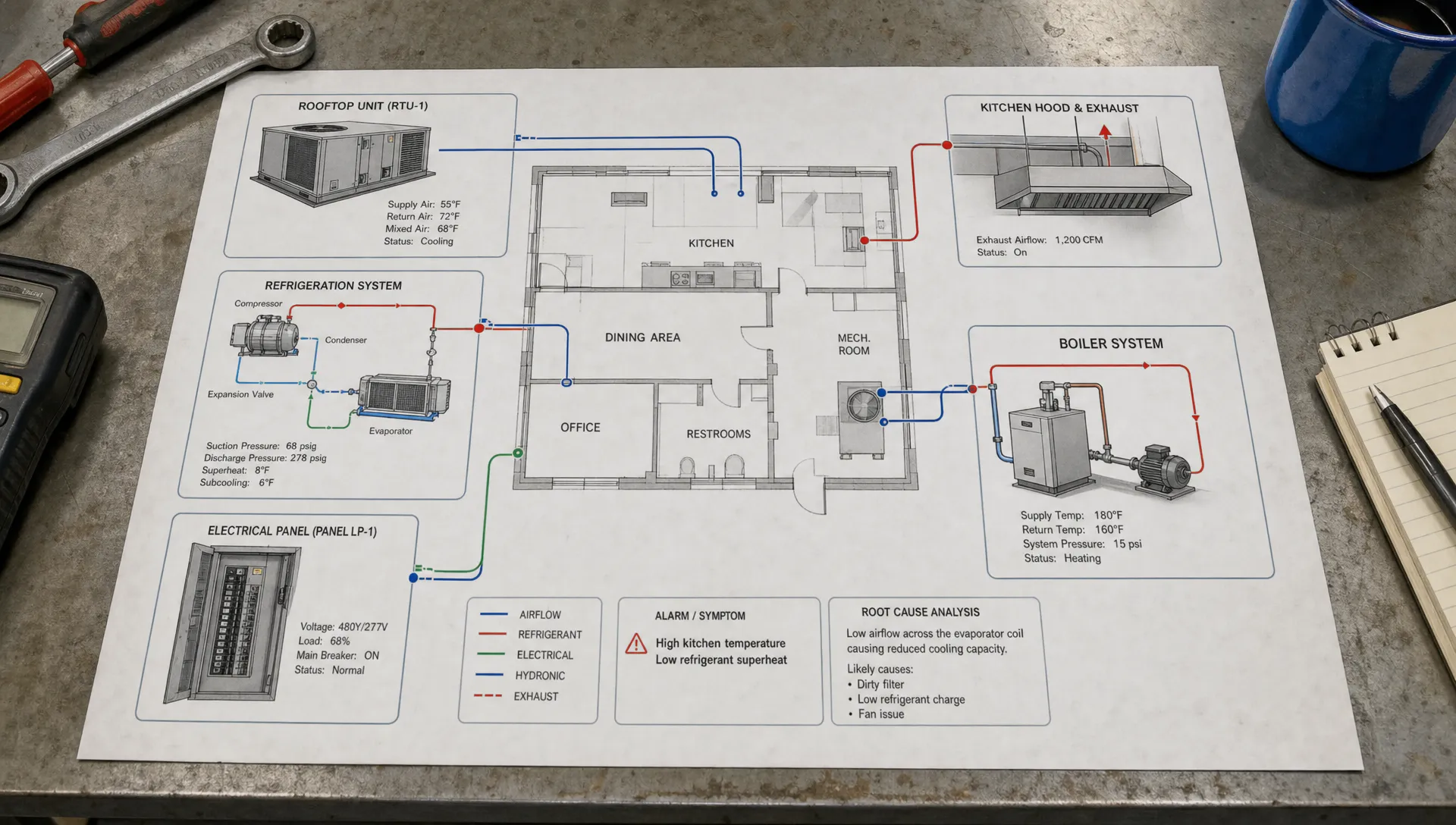
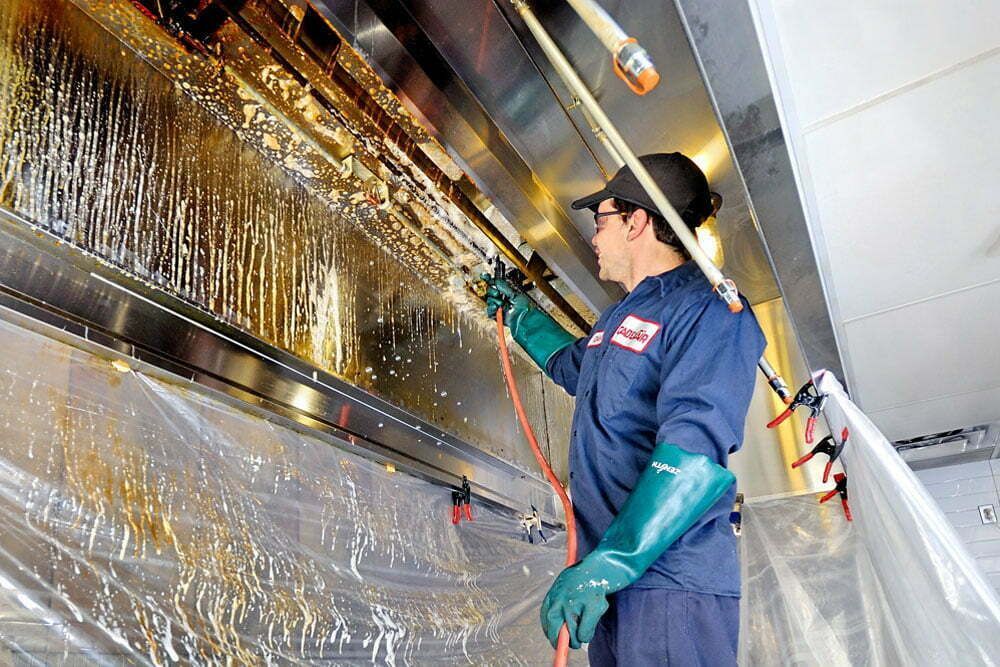
If the furnace manages front-of-house comfort, the kitchen exhaust system is the guardian of back-of-house safety and compliance. Its role is to pull heat, smoke, and grease-laden vapor away from your cooking line, ensuring a safer, cleaner, and more comfortable working environment for your culinary team. However, this process leaves behind a dangerous byproduct: grease buildup. Effective commercial hood maintenance in Waynesboro is not just about cleanliness; it's about fire prevention and regulatory compliance. Over time, grease accumulates throughout the entire system—from the filters to the ductwork and the rooftop exhaust fan. This highly flammable substance is the leading cause of restaurant fires.
A professionally serviced system ensures that all components, from the initial commercial kitchen exhaust hood installation to the intricate network of vents, are functioning as a cohesive unit. Maintenance preserves the integrity of that installation, preventing dangerous leaks and ensuring optimal airflow. When a component does fail, you need a partner who understands the urgency and can provide swift, effective range hood repair to get your kitchen back online safely. Neglecting this system is a gamble no restaurant can afford to take, especially with the increased cooking volume of the holiday season.
Critical Areas for Hood System Inspection and Cleaning
While your kitchen staff should perform daily cleaning of external hood surfaces and filters, this is no substitute for professional, deep cleaning and inspection. A certified technician will address the entire system according to NFPA 96 standards.
- Exhaust Hoods: This includes a deep cleaning of the grease-baffle filters, the interior and exterior of the hood canopy, and the grease collection trays. This is the first point of collection and requires frequent attention.
- Ductwork: This is the hidden danger zone. A professional service involves cleaning the entire length of the horizontal and vertical ductwork, removing the accumulated grease that poses a significant fire hazard. This is a specialized task that requires specific tools and expertise.
- Exhaust Fans: The fan is the engine of your exhaust system. A key part of maintaining any commercial hood fan installation is inspecting the fan blades for grease buildup (which can unbalance and destroy the motor), checking the motor and belts for wear, and ensuring proper lubrication and tension.
- Fire Suppression System: While hood cleaners may not service the chemical system, they must inspect it to ensure the fusible links are not coated in grease and that the system nozzles are clean and properly aimed. A greasy link can delay or prevent the system from activating during a fire.
- Makeup Air Units: A properly functioning exhaust system removes a massive volume of air from your kitchen, and the makeup air unit's job is to replace it. A technician will ensure this unit is working correctly to maintain proper air balance, preventing negative pressure problems that can make doors hard to open and cause HVAC systems to work inefficiently.
The Role of Exhaust System Maintenance in Fire Safety and Compliance
The link between grease and fire is undeniable. According to the U.S. Fire Administration, cooking is the leading cause of non-residential building fires, and a significant portion of these are exacerbated by grease-laden exhaust systems. Local fire codes in Waynesboro and Augusta County, which are based on national standards like NFPA 96, mandate regular, professional cleaning of these systems. The required frequency depends on the type and volume of cooking, ranging from quarterly for high-volume charbroiling to annually for low-volume operations.
Failure to comply can have severe consequences. A fire marshal's inspection can result in hefty fines or even a forced closure until the system is brought up to code. Furthermore, in the event of a fire, your insurance carrier will demand to see records of professional maintenance. Without them, your claim could be denied, leaving you to cover the devastating financial losses yourself. Professional maintenance ensures that your original restaurant kitchen exhaust hood systems installation remains compliant, safe, and insurable, protecting your business from a preventable catastrophe.
Compliance, Efficiency, and Safety: The Triple Threat of Neglect
For a Waynesboro restaurant, neglecting furnace and hood maintenance isn't a single point of failure; it's a triple threat that undermines your business from three critical angles: compliance, energy efficiency, and safety. Each area is interconnected, and a problem in one often creates a domino effect, leading to a cascade of expensive and dangerous issues. Understanding this relationship underscores the absolute necessity of a proactive, integrated maintenance strategy before the holiday rush begins.
Compliance:
Running a restaurant means navigating a complex web of regulations. Both the local health department and the fire marshal have strict standards for your kitchen and dining environment. Your kitchen exhaust system must be cleaned at a frequency determined by law to remain compliant with fire codes. A maintenance log from a certified professional is your proof of due diligence. Similarly, a properly functioning HVAC system is crucial for health code compliance, as it contributes to air quality and temperature control. An inspector finding a dangerously neglected furnace or a grease-caked hood can issue fines or even a stop-work order, shutting you down during your most profitable season.
Energy Efficiency:
In a business with notoriously thin margins, every dollar counts. Your HVAC and kitchen exhaust systems are two of the biggest energy consumers in your building. When a furnace filter is clogged, the blower motor has to work much harder to pull air through, driving up your electricity bill. When an uncalibrated thermostat calls for heat unnecessarily, you're literally burning money. The same is true for your kitchen. A kitchen exhaust fan motor laboring under the weight of greasy, unbalanced blades consumes far more power. A poorly balanced makeup air system can force your furnace or air conditioner to run constantly to compensate for the air being improperly vented. These inefficiencies might seem small day-to-day, but over the course of a busy winter, they can add up to thousands of dollars in wasted energy costs—money that should have been profit.
Safety:
This is the most important pillar and the one with the highest stakes. The safety of your staff and guests is non-negotiable. As reiterated, a grease-laden exhaust system is a ticking time bomb, creating a severe fire hazard that threatens lives and property. Beyond fire, there are other serious risks. A furnace with a compromised heat exchanger can silently fill your dining room with carbon monoxide. Poor ventilation from a failing exhaust fan, often a sign of a problem with the initial
commercial kitchen exhaust fan installation or its subsequent upkeep, can lead to poor indoor air quality, causing respiratory issues for your kitchen staff and allowing smoke and odors to permeate the dining area. Protecting your people and your property is the ultimate return on your maintenance investment.
Choosing the Right Waynesboro Commercial HVAC Partner
Recognizing the need for maintenance is the first step; choosing the right partner to perform it is equally important. Not all HVAC companies are created equal. Commercial restaurant systems are complex, specialized environments that require a different level of expertise than residential units. You need a qualified, experienced, and local provider who understands the unique demands of the food service industry and the specific challenges of operating in the Waynesboro area. Selecting the right Waynesboro restaurant HVAC service provider is a crucial business decision that impacts your safety, budget, and peace of mind.
What to Look for in a Commercial HVAC Provider
When vetting potential partners, use this checklist to ensure you're hiring a true professional:
- Experience: Do they specialize in commercial systems, specifically for restaurants? Ask for references from other local eateries. A company that primarily services homes may not understand the intricacies of makeup air units or the compliance standards for kitchen hoods.
- Certifications & Licensing: Technicians should be licensed, insured, and certified to work on commercial gas furnaces and kitchen exhaust systems. This is your assurance of their qualifications and your protection against liability.
- Emergency Services: Breakdowns don't happen on a 9-to-5 schedule. Does the provider offer 24/7 emergency services? A reliable partner will be there for you during a holiday weekend or a late-night dinner rush.
- Preventative Maintenance Plans: The best providers focus on prevention, not just reaction. Look for a company that offers comprehensive annual contracts that cover both your heating and kitchen ventilation systems, simplifying your maintenance schedule and often providing cost savings.
- Local Reputation: What are other Waynesboro business owners saying? Check online reviews and testimonials. A strong local reputation is a powerful indicator of reliability and quality workmanship.
- Transparency: A trustworthy provider offers clear, upfront pricing and provides detailed service reports after every visit, documenting what was checked, what was fixed, and any recommendations for the future.
VA Commercial Repair Solutions: Your Local Experts for Waynesboro
For restaurants in Waynesboro and the surrounding Shenandoah Valley, VA Commercial Repair Solutions is the trusted choice. We are not just another HVAC company; we are specialists in the commercial sector with extensive experience serving the unique needs of the restaurant and hospitality industry. We understand that your furnace and your kitchen hood are both mission-critical systems, and we have the expertise to service them both with precision and care.
Our reputation as the premier Waynesboro restaurant HVAC service provider is built on a foundation of technical excellence and unwavering commitment to our clients. We highly recommend our annual maintenance plan, which is the most effective and hassle-free way to ensure proactive care. This plan is designed to keep your systems running at peak efficiency, ensure compliance, and prevent costly emergencies. With VA Commercial Repair Solutions, you get a partner who understands your business, responds quickly, and provides the peace of mind you need to focus on what you do best: creating exceptional dining experiences.
Preparing for the Holidays: Your Action Plan
The transition from fall to the busy winter season happens quickly. Don't get caught unprepared. By taking a few proactive steps now, you can ensure your restaurant's mechanical systems are ready for the demands ahead. This simple action plan will help you organize your preparations and enter the holiday season with confidence, knowing your establishment is safe, warm, and ready for business.
- Schedule Early: The single most important step is to be proactive. Call your trusted HVAC partner now to book your holiday kitchen HVAC inspection and furnace tune-up. Technicians' schedules fill up fast as the weather gets colder. Booking in late fall ensures you get your preferred appointment time and that any necessary repairs can be completed well before the December rush.
- Review Maintenance Records: Pull out your service logs from the past year. Look for any recurring issues or notes from technicians about parts that were nearing the end of their life. This information is invaluable for your service provider and helps you anticipate potential needs. If you don't have records, now is the perfect time to start.
- Educate Staff: Your kitchen and front-of-house staff are your eyes and ears. Hold a brief team meeting to train them on what to look and listen for. This includes reporting unusual noises from the furnace, strange smells, visible grease dripping from the hood, or a fan that sounds like it's struggling. Empowering them to report small issues can prevent large failures.
- Consider Upgrades: A thorough maintenance inspection is also a system health check. If your technician informs you that your furnace is highly inefficient or your exhaust fan is consistently failing, it may be more cost-effective to plan for an upgrade. A new, efficient system, like a modern commercial kitchen exhaust hood installation, can offer significant long-term savings in energy and repair costs.
- Budget for Maintenance: Treat preventative maintenance as a fixed, essential operating cost, not a discretionary expense. Allocating funds for your annual service plan in your budget prevents you from being caught off guard by a large, unexpected repair bill. It's one of the smartest financial decisions a restaurant owner can make.
Frequently Asked Questions About Commercial HVAC and Hood Maintenance
Q: How often should commercial furnace maintenance be performed?
A: For a commercial environment like a restaurant, professional furnace maintenance should be performed annually, without fail. The ideal time is in the early to mid-fall, before you rely on it daily. This ensures it's clean, safe, and efficient for the entire heating season.
Q: How often should commercial kitchen hoods be cleaned?
A: This depends on your cooking volume and type, as mandated by NFPA 96. As a general guideline: restaurants using solid fuel (wood/charcoal) require monthly cleaning; high-volume operations like 24-hour diners or those with charbroilers need quarterly cleaning; moderate-volume restaurants typically require semi-annual cleaning; and low-volume operations (e.g., a day-use church kitchen) may only need annual cleaning. A professional can help you determine your required frequency.
Q: What are the signs that my furnace or hood system needs immediate repair?
A: For your furnace, danger signs include loud banging or screeching noises, a smell of gas or burning plastic, or the unit cycling on and off rapidly without heating the space. For your hood system, immediate attention is needed if you see grease dripping from the hood, the fan motor is making loud or unusual noises, or if smoke is filling the kitchen instead of being properly vented. Do not operate under these conditions.
Q: Is an annual maintenance plan worth it for my Waynesboro restaurant?
A: Absolutely. An annual maintenance plan is one of the best investments you can make. It typically costs far less than a single emergency repair call. The plan saves you money through improved energy efficiency, extends the lifespan of your expensive equipment, ensures safety and compliance, and provides invaluable peace of mind, freeing you to focus on running your business.
Q: Can I perform some maintenance tasks myself?
A: Yes, there are tasks you and your staff can and should do. This includes regular cleaning of your kitchen hood's baffle filters (some can be run through a commercial dishwasher) and regularly checking and changing your furnace's air filters. However, any tasks involving electrical components, gas lines, motors, belts, or cleaning inside ductwork must be left to a trained and certified professional to ensure safety and effectiveness.
Don't Let HVAC Issues Spoil Your Holiday Season
The holiday season is a marathon, not a sprint. For Waynesboro restaurant owners, success depends on preparation, reliability, and creating an unforgettable guest experience. Your furnace and kitchen hood system are the silent partners in this success. A warm, inviting dining room and a safe, compliant kitchen are not luxuries; they are the bedrock of a profitable operation. Proactive maintenance is the most effective tool you have to protect these assets. By investing in a comprehensive inspection and tune-up for both your heating and ventilation systems, you are actively defending your business against the triple threat of non-compliance, energy waste, and catastrophic safety failures.
This winter, don't leave your holiday revenue to chance. Avoid the stress and financial fallout of an unexpected breakdown. By taking action now, you ensure your team can work efficiently, your guests can dine in comfort, and your business can capitalize on the busiest and most festive time of the year. Let your focus be on your craft, your customers, and your bottom line—not on a failing piece of equipment. Partner with a local expert who understands the stakes and has the skills to keep your establishment running flawlessly through the holiday rush and beyond.
Ensure your Waynesboro restaurant stays warm and compliant this winter — book your furnace and hood inspection today with VA Commercial Repair Solutions.
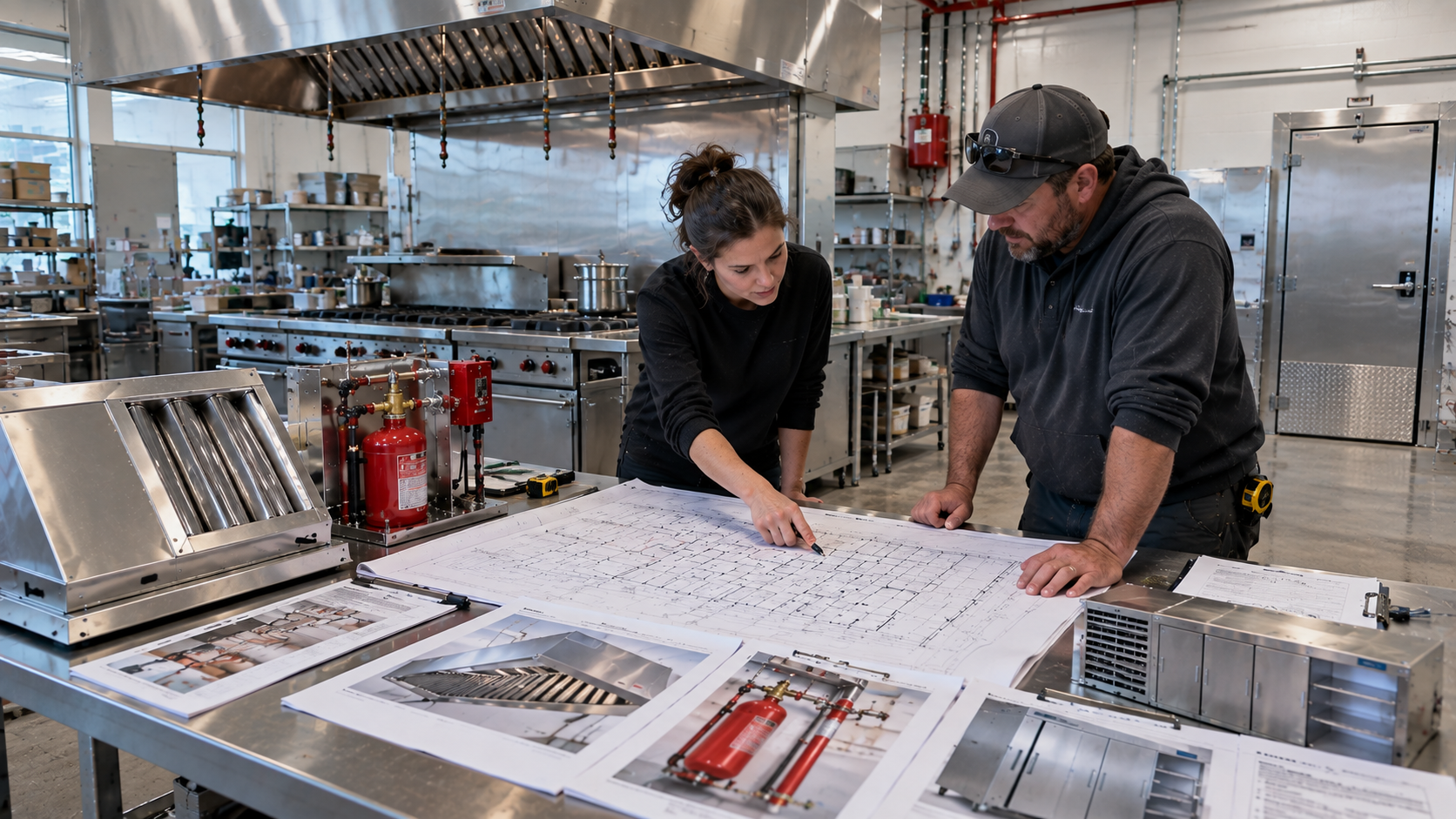
Opening a Restaurant in Virginia: Kitchen Design, Hood, Fire Suppression and Refrigeration Checklist