
Why Do Staunton HVAC Contractors Highly Recommend Heat Pumps for Virginia Homes?

Chuck Weisman
Why Do Staunton HVAC Contractors Highly Recommend Heat Pumps for Virginia Homes?
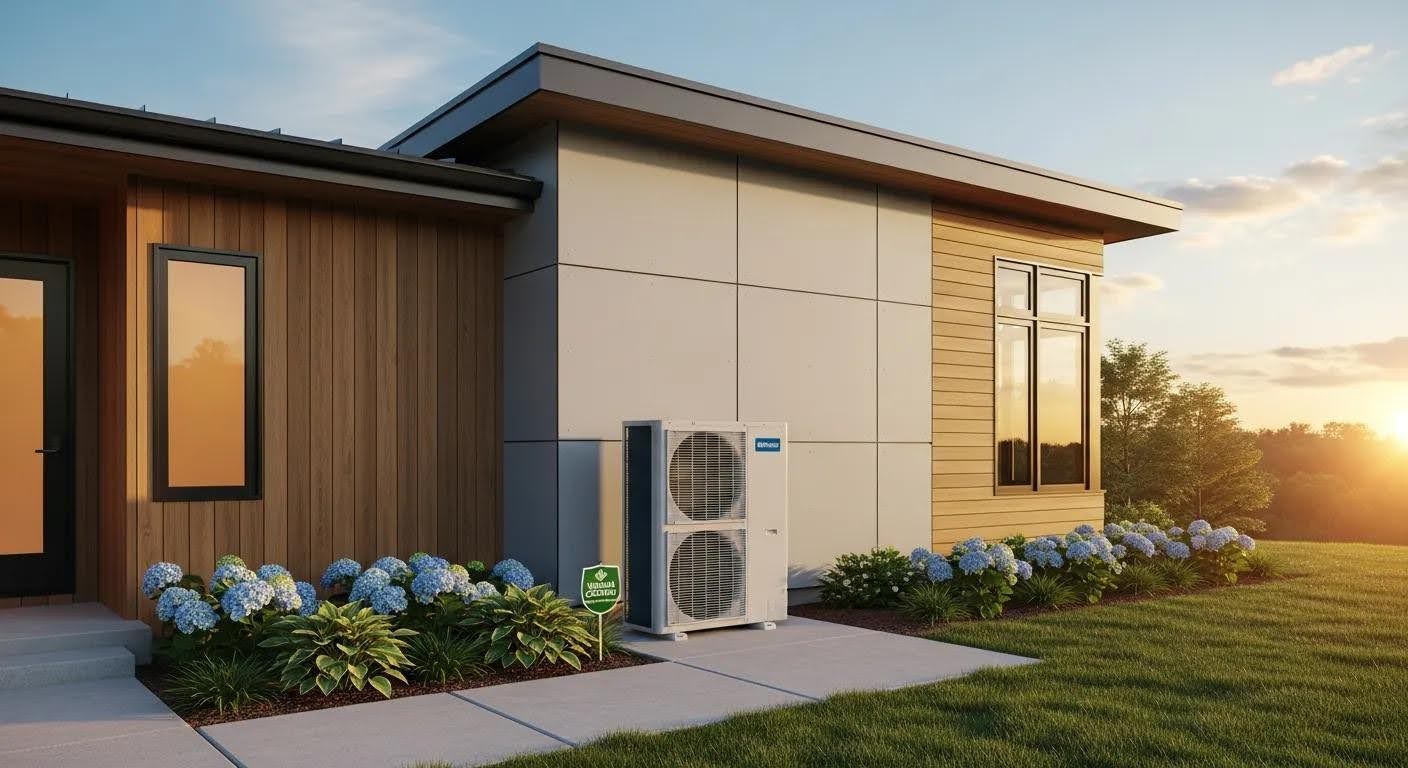
Heat pumps are a popular heating and cooling choice for many Virginia homeowners, especially in Fishersville, Charlottesville, Staunton, and Waynesboro. They pair strong energy efficiency with lower operating costs and reduced emissions. This piece explains the benefits, installation costs, and why local HVAC contractors recommend heat pumps so you can decide what fits your home.


What Are the Key Benefits of Heat Pumps for Virginia Homes?

Heat pumps offer clear benefits for Virginia homeowners, which is why HVAC contractors often recommend them.

  • Energy Efficiency: Heat pumps are known for their ability to transfer heat rather than generate it, which can lead to substantial energy savings. They can be up to four times more efficient than traditional heating systems.
  • Cost Savings: Over time, the energy efficiency of heat pumps translates into lower utility bills. Homeowners can expect to see a reduction in their heating and cooling costs, making heat pumps a financially savvy choice.
  • Environmental Benefits: By using less energy, heat pumps contribute to a reduction in greenhouse gas emissions. This makes them an environmentally friendly option for heating and cooling homes.


Studies show ground-source heat pumps can cut energy use and lower carbon emissions compared with conventional systems.


Ground Source Heat Pump Environmental & Energy Benefit


This study found GSHPs effectively reduce energy consumption and carbon emissions compared with conventional heating and cooling systems. To further improve environmental performance, the authors suggest using renewable electricity sources and replacing polyethylene pipes with steel pipes.


Environmental impact assessment of ground source heat pump system for heating and cooling: a case study in China, 2022


VA Commercial Repair Solutions provides commercial HVAC, refrigeration, and electrical repair, maintenance, and installation across Virginia, including Charlottesville, Staunton, Waynesboro, and Fishersville, giving homeowners access to trained installers and service for heat pump systems.


How Do Heat Pumps Provide Energy Efficient Heating in Virginia?

Heat pumps move heat using a refrigeration cycle. In winter they extract heat from outside air and bring it indoors; in summer they reverse to cool the house. That process lets them heat efficiently even when outdoor temperatures drop.

Ductless mini-splits let you zone heating and cooling, which boosts efficiency. Regular maintenance—annual checks and filter changes—keeps systems running reliably and efficiently.


How Much Does Heat Pump Installation Cost in Virginia?

Installation costs in Virginia vary by system type, home size and installation complexity. Homeowners can typically expect to pay between $4,000 and $12,000 for a complete heat pump installation.


What Factors Influence Heat Pump Installation Costs in Fishersville and Surrounding Areas?

Several factors affect heat pump installation costs in Fishersville, Charlottesville, Staunton, and Waynesboro:

  • Type of Heat Pump: Different types of heat pumps, such as air-source, ground-source, or ductless mini-split systems, come with varying price points.
  • Installation Complexity: The complexity of the installation, including the need for additional ductwork or electrical upgrades, can increase costs.
  • Local Labor Costs: Labor costs can vary by region, affecting the overall installation price.


How Do Heat Pumps Compare to Traditional Furnaces in Virginia?

Compared with traditional furnaces, heat pumps offer several distinct advantages.

  • Efficiency Differences: Heat pumps are generally more efficient than traditional furnaces, which convert fuel into heat. This efficiency translates into lower energy bills and a smaller carbon footprint.
  • Cost-Effectiveness in Cold Climates: While traditional furnaces may perform better in extremely cold temperatures, modern heat pumps are designed to operate efficiently even in colder climates, making them a viable option for Virginia homeowners.
  • Long-Term Savings: The initial investment in a heat pump may be higher than that of a furnace, but the long-term savings on energy bills can offset this cost over time.


Are Heat Pumps More Cost-Effective Than Furnaces in Cold Virginia Climates?

Often heat pumps are more cost-effective over time. Higher upfront costs are frequently offset by lower monthly bills. Advances in heat pump technology also improve performance in Virginia's colder months.

Further research supports heat pumps' operating cost savings and their potential for significant household energy savings.


Heat Pump Operating Costs & Savings for Homes


This analysis benchmarks two heat pump types across space heating, cooling and water heating to show annual operating costs and cost-saving potential.

State-wide comparative analysis of the cost saving potential of Vuilleumier heat pumps in residential houses, 2020


What Maintenance Is Required for Heat Pumps in Virginia Homes?


Annual inspections and prompt repairs are essential to keep heat pumps efficient and extend their service life.

  • Regular Inspections: Annual inspections help identify and address any problems before they escalate, ensuring the system operates efficiently.
  • Filter Replacements: Changing filters regularly is crucial for maintaining airflow and efficiency. Clogged filters can lead to increased energy consumption and reduced performance.
  • Emergency Repair Services: Having access to emergency repair services can provide peace of mind, ensuring that any unexpected issues can be addressed promptly.


How Can Regular Heat Pump Maintenance Improve Efficiency and Longevity?

Routine maintenance keeps parts working correctly, preserves efficiency and can add years to the system's lifespan.


What Virginia-Specific Incentives and Rebates Support Heat Pump Installation?

Virginia offers incentives and rebates to encourage installation of energy-efficient heat pumps, which can reduce upfront costs.

  • State and Local Rebate Programs: Homeowners may qualify for rebates from state and local programs designed to promote energy efficiency.
  • Documentation Needed for Incentives: To take advantage of these incentives, homeowners typically need to provide documentation of their installation and energy savings.


How Do State Energy Programs Reduce Heat Pump Installation Costs?

State energy programs lower installation costs through rebates and other financial incentives, making heat pumps more accessible.


Why Do Commercial HVAC Contractors in Fishersville Recommend Heat Pumps?

Fishersville commercial HVAC contractors recommend heat pumps mainly for their efficiency and lower environmental impact.

Contractors' experiences reveal key drivers and barriers that affect widespread adoption of heat pump technology.


HVAC Contractor Perspectives on Heat Pump Installation


Based on installations of heat pump technology, the study identified a range of drivers and barriers intermediaries face when installing heat pumps.

Transitioning to energy efficient housing: Drivers and barriers of intermediaries in heat pump technology, B Robaeyst, 2022


  • Energy Efficiency: Heat pumps are recognized for their ability to provide efficient heating and cooling, which is crucial for commercial spaces that require consistent climate control.
  • Environmental Impact: By reducing energy consumption, heat pumps contribute to lower greenhouse gas emissions, aligning with sustainability goals.
  • Zoned Climate Control: Heat pumps allow for zoned climate control, which can enhance comfort and reduce energy waste in larger commercial spaces.


What Are the Commercial Heat Pump Benefits That Influence Residential Recommendations?

Commercial benefits—energy savings, efficiency and improved indoor air quality—often translate to homes, so homeowners can see similar gains.

Knowing the advantages and available support helps Virginia homeowners save money and lower their carbon footprint.


Contact VA Commercial HVAC

For expert commercial HVAC solutions in Charlottesville, Staunton, Waynesboro, and Fishersville, contact VA Commercial HVAC.

If you have questions or need help, you can contact us today.

Frequently Asked Questions


What types of heat pumps are available for Virginia homeowners?

Homeowners can choose air-source, ground-source (geothermal) and ductless mini-split systems. Air-source units are most common and pull heat from outside air. Ground-source systems use the ground's stable temperature and are very efficient. Ductless mini-splits suit homes without ducts and allow zoning. Match the system to your property and needs.


How do heat pumps perform in extremely cold weather?

Modern heat pumps work efficiently in cold weather. While furnaces may be stronger in extreme cold, many heat pumps now extract usable heat at lower temperatures and offer supplemental heating. Ask an HVAC professional to pick the right model for your location.


What is the lifespan of a heat pump?

Heat pumps typically last 15 to 20 years. Lifespan depends on system type, maintenance and usage. Regular inspections and quality installation help extend service life.


Are there any financing options available for heat pump installation?

Many contractors and energy programs offer financing—low-interest loans, payment plans or leases. State and local rebates can also lower costs. Check with your HVAC contractor about available options and incentives.


How can homeowners ensure their heat pump operates efficiently?

Schedule annual maintenance, replace filters regularly and keep the outdoor unit clear of debris. Monitor energy bills for sudden increases and use a programmable thermostat to manage run times and save energy.


What should homeowners do if their heat pump is not heating or cooling effectively?

First check the thermostat and replace dirty filters. Make sure vents and the outdoor unit are not blocked. If problems persist, contact a qualified HVAC technician to diagnose issues like refrigerant leaks or mechanical faults.


Conclusion

Heat pumps deliver energy savings, lower utility bills and environmental benefits for Virginia homeowners. Understand your options, factor in installation considerations and use state incentives to maximise your investment. For guidance and professional installation, reach out to our team today. Looking for a reliable HVAC agent? VA Commercial HVAC can help.
Best Practices for Maintaining Commercial Refrigeration Equipment in 2026
By VA Commercial HVAC May 12, 2026
If you operate a busy restaurant in Charlottesville, a grocery store in Harrisonburg, or a commercial kitchen anywhere across Central Virginia, your refrigeration equipment is the backbone of your operation.
By AEO Resources April 25, 2026
Need emergency AC repair in Lexington, VA? Discover proven response times, fast service options, and expert solutions to restore cooling quickly—call now!
By AEO Resources April 18, 2026
Discover commercial AC repair costs in Staunton, VA. Proven pricing factors, service fees, and ways to save on repairs—get expert help now!
By AEO Resources April 16, 2026
Learn the key signs your commercial AC system needs repair in Harrisonburg, VA. Proven tips to prevent breakdowns and save costs—get expert help now!
By Chuck Weisman April 16, 2026
For business owners in Charlottesville, VA, a clear understanding of commercial air conditioning services is essential. This article examines installation, emergency repairs, preventive maintenance, and energy-efficiency upgrades for commercial HVAC systems, including support from an hvac contractor Charlottesville, VA . Reviewing these topics enables informed decisions that improve occupant comfort, optimise operational efficiency, and support continuity of business operations. Given local temperature variability, reliable air conditioning is a critical operational requirement. The guide outlines key installation services, explains the role of emergency repairs, summarizes preventive maintenance benefits, and surveys current energy-efficiency upgrade options. What Are the Key Commercial Air Conditioning Installation Services Available in Charlottesville? Commercial air conditioning installation services in Charlottesville comprise a range of offerings tailored to commercial facilities. Services include the specification and installation of different HVAC configurations to match building type and operational demands, with attention to system performance and energy optimisation. Professional installation ensures compliance with applicable codes and proper commissioning. Selecting local contractors, such as VA Commercial Repair Solutions, offers advantages including familiarity with regional climate conditions and reduced response times for ongoing service needs. Which Types of Commercial HVAC Systems Are Best Suited for Charlottesville Businesses? Commercial properties in Charlottesville commonly utilise split systems, packaged units, and variable refrigerant flow (VRF) systems. Split systems provide flexibility and scalable capacity for larger floorplates. Packaged units deliver a compact integrated solution for smaller footprints. VRF systems offer improved part-load efficiency and individual zone control, which supports targeted comfort and energy performance. System selection should be based on building size, energy objectives, and lifecycle cost considerations. Research further highlights VRF systems' contributions to improved energy performance and individualized thermal control. VRF Systems for Commercial HVAC Energy Efficiency & Comfort In commercial buildings, air conditioning and mechanical ventilation (ACMV) systems account for a major portion of overall energy consumption, creating a need for energy-efficient ACMV design. Effective design must balance enhanced thermal comfort and indoor air quality objectives. The variable refrigerant flow (VRF) air-conditioning system has been widely adopted as an alternative to conventional cooling systems due to its higher energy efficiency and its capability for individualized temperature control. A comprehensive review of variable refrigerant flow (VRF) and ventilation designs for thermal comfort in commercial buildings, YH Yau, 2024 How Do Licensed Technicians Ensure Reliable HVAC Installation? Licensed technicians ensure reliable HVAC installation through formal training and practical experience. They perform load assessments, specify appropriate equipment, and execute installations in accordance with safety codes and manufacturer procedures. Quality assurance measures—such as calibrated testing, commissioning, and documented inspections—verify that systems perform as intended. Engaging licensed professionals reduces installation risk and supports long-term operational efficiency. How Can Emergency Commercial AC Repair Services Minimize Business Downtime? Emergency commercial AC repair services reduce business downtime during critical operating periods. System outages can create uncomfortable conditions that affect employee productivity and customer experience; therefore, rapid fault diagnosis and repair are essential. Prompt response limits secondary damage, restores functional conditions, and helps maintain normal operations. What Are the Signs That Indicate Immediate Commercial AC Repair Is Needed? Recognizing the signs that indicate immediate commercial AC repair is needed enables businesses to avoid extended interruptions. Common indicators include: Unusual Noises : Grinding, squealing, or banging sounds can indicate mechanical issues. Inconsistent Temperatures : If some areas of the building are significantly warmer or cooler than others, it may signal a problem with the system. Increased Energy Bills : A sudden spike in energy costs can suggest that the AC system is working harder than it should due to inefficiencies. Timely intervention on these symptoms prevents further component damage and restores system efficiency. How Does VA Commercial Repair Solutions Provide Rapid Emergency Response in Charlottesville? VA Commercial Repair Solutions maintains a rapid emergency-response capability in Charlottesville. Their technicians are trained to diagnose a broad range of HVAC faults and implement corrective actions to restore comfort and system function. The team emphasises fast response and practical repairs, leveraging local system knowledge to minimise disruption to business operations. What Are the Benefits of Preventive Maintenance for Commercial HVAC Systems? Preventive maintenance improves system reliability and extends equipment life. Regular service identifies developing faults before they escalate, sustains peak operational efficiency, and reduces lifecycle repair costs. Businesses that prioritise scheduled maintenance benefit from lower energy consumption and a more consistent comfort environment for employees and customers. How Do Maintenance Contracts Enhance Energy Efficiency and System Longevity? A formal maintenance contract institutionalises routine inspections, cleaning, and required adjustments to sustain optimal performance. Consistent adherence to a maintenance schedule reduces the likelihood of unexpected failures and expensive corrective repairs. Well-maintained systems operate more efficiently, resulting in lower energy bills and diminished environmental impact. What Are Recommended Maintenance Schedules for Commercial Air Conditioning Units? Recommended practice is to perform maintenance at least twice annually—once before the cooling season and once before the heating season. During these visits, technicians should clean coils, verify refrigerant charge, and inspect electrical and control components. Seasonal maintenance reduces failure risk and helps ensure efficient operation over the equipment lifecycle. How Do Commercial Refrigeration and Electrical Repair Services Integrate with HVAC Solutions? Coordinated commercial refrigeration and electrical repair services are essential to maintain overall system performance. Failures in refrigeration or electrical subsystems can impair HVAC efficiency, increase energy consumption, and risk product loss in temperature-controlled operations. Integrated service approaches preserve operational continuity across interdependent systems. Why Is Regular Commercial Refrigeration Maintenance Critical for Business Operations? Routine commercial refrigeration maintenance is critical for businesses that handle temperature-sensitive products, such as food and pharmaceuticals. Deferred maintenance increases the likelihood of equipment failure and associated financial losses. Proactive service detects potential faults early, preserves inventory integrity, and supports consistent product quality that underpins customer satisfaction. How Do Electrical Repairs Support Optimal HVAC System Performance? Timely electrical repairs are fundamental to reliable HVAC operation. HVAC systems depend on electrical components; degraded wiring, controls, or circuit boards can produce inefficiencies or complete system failures. Regular electrical inspections and prompt corrective action help avoid downtime and ensure safe, efficient operation. What Energy Efficiency Upgrades Are Available for Commercial HVAC Systems in Charlottesville? Energy-efficiency upgrades for commercial HVAC systems can materially reduce operating costs and environmental impact. Upgrades may include high-efficiency equipment, smart thermostats, and advanced control systems that optimise runtime and setpoints. Investing in efficient technologies reduces energy consumption while supporting organisational sustainability objectives. How Do Smart Controls and Modern Technologies Improve HVAC Energy Savings? Smart controls and modern technologies enable real-time monitoring and automated adjustment based on occupancy and environmental conditions. Smart thermostats and building management systems can adapt setpoints and schedules to minimise energy use during unoccupied periods. Implementing these technologies supports measurable energy savings and improved system responsiveness. The influence of advanced building controls on energy consumption and peak-load management is well documented. Commercial Building Controls for Energy Savings & Peak Load Reduction Commercial buildings in the United States consume approximately 18 Quadrillion British thermal units (Quads) of primary energy annually. Studies indicate that up to 30% of building energy consumption can be avoided through more accurate sensing, improved use of existing controls, and deployment of advanced controls. Research also demonstrates that 10% to 20% of commercial building peak load can be temporarily managed or curtailed to provide grid services. Impacts of commercial building controls on energy savings and peak load reduction, S Katipamula, 2017 What Are the Latest Industry Standards and Certifications for Energy-Efficient HVAC? Staying current with industry standards and certifications is important when evaluating energy-efficient HVAC options. Recognised certifications such as ENERGY STAR and LEED indicate compliance with established efficiency criteria. Selecting certified systems helps ensure regulatory alignment and supports organisational sustainability goals. To learn more about our HVAC services, please contact us. Frequently Asked Questions What factors should businesses consider when choosing a commercial HVAC system? When selecting a commercial HVAC system, assess space size, energy-efficiency ratings, and the facility's specific heating and cooling requirements. Evaluate initial installation costs in relation to projected operational and maintenance expenses. Consider local climate conditions and the system's capacity to accommodate temperature variability. Consultation with qualified HVAC professionals will yield recommendations tailored to these factors. How can businesses ensure their HVAC systems comply with local regulations? To ensure regulatory compliance, engage licensed HVAC contractors who are familiar with codes and standards in Charlottesville, VA. These professionals can advise on system selection and installation practices that meet safety and efficiency requirements. Maintain documentation of installations and scheduled inspections to demonstrate adherence to local regulations. What are the potential cost savings from energy-efficient HVAC upgrades? Energy-efficient HVAC upgrades can deliver significant cost savings through reduced energy consumption. Many efficiency improvements qualify for rebates and tax incentives that offset capital expenditure. Over time, lower operating costs improve return on investment and support long-term financial and sustainability objectives. How often should businesses schedule HVAC system inspections? Schedule HVAC inspections at least twice annually—once before the cooling season and once before the heating season. Routine inspections enable technicians to identify and address developing issues before they escalate, preserving efficiency and indoor comfort. Facilities with high usage or critical environmental requirements may need more frequent service. What role do smart thermostats play in HVAC energy management? Smart thermostats contribute to HVAC energy management by enabling automated control and real-time monitoring of temperature and occupancy. They can adjust setpoints to minimise energy use when spaces are unoccupied and provide usage data that identifies additional efficiency opportunities. These capabilities support measurable reductions in energy consumption. What should businesses do if their HVAC system is frequently breaking down? If an HVAC system experiences frequent breakdowns, conduct a comprehensive assessment to identify root causes. Review the system's age, maintenance history, and sizing relative to current loads. Persistent failures may indicate that equipment is outdated or undersized; in such cases, upgrading to a more reliable, appropriately sized system may be necessary to reduce downtime and improve comfort. Conclusion Investing in comprehensive commercial air conditioning services is fundamental to maintaining operational comfort and efficiency. By understanding installation practices, emergency repair protocols, and preventive maintenance strategies, you can ensure reliable HVAC performance. Prioritise energy-efficiency upgrades to reduce operating costs and advance sustainability goals. Contact us to explore our HVAC services to keep your business operating at peak performance.
Do Staunton VA HVAC Contractors Offer Labor Warranties?
By Chuck Weisman March 26, 2026
Find out if HVAC contractors in Staunton, VA offer labor warranties on new installations and what coverage to expect for repairs and replacements.
How Staunton VA Commercial HVAC Contractors Help Businesses
By Chuck Weisman March 19, 2026
Learn how commercial HVAC contractors in Staunton, VA support local businesses with maintenance, energy efficiency, and reliable climate control solutions.
Hiring an HVAC Contractor in Fishersville VA: Tips
By Chuck Weisman March 6, 2026
Learn what to look for when hiring an HVAC contractor in Fishersville, VA. Discover tips on licensing, pricing, reviews, and choosing the right pro.
Emergency restaurant equipment repair in Charlottesville, VA: Technician fixing oven in kitchen, chefs cooking.
By Chuck Weisman January 11, 2026
Expert emergency commercial restaurant equipment repair in Charlottesville, VA. We provide 24/7 service for refrigeration, HVAC, and cooking equipment. Minimize downtime today!
Commercial kitchen with staff working, repairman fixing equipment.
By Chuck Weisman January 11, 2026
Looking for emergency commercial restaurant equipment repair in Harrisonburg, VA? We offer 24/7 service for refrigeration, HVAC, and cooking gear. Call for rapid repairs!