
Proactive Commercial HVAC Maintenance Tips Extend Equipment Lifespan
Unlock Cost Savings and Peace of Mind with Proactive HVAC Service

Key Takeaways
- Implementing a proactive HVAC maintenance plan delivers an impressive 545% ROI for businesses while extending equipment life by 30%
- Dirty filters and coils increase energy consumption by 15-30%, while proper maintenance can reduce annual repair expenses by 37%
- Semi-annual professional inspections combined with monthly in-house checks create the optimal maintenance strategy
- Businesses following a seasonal maintenance timeline experience fewer emergency breakdowns and significantly lower operating costs
- VA Commercial Repair Solutions offers customized preventive maintenance programs that transform HVAC systems from liabilities into long-term assets
Your commercial HVAC system silently determines your business's daily operational success. When it runs efficiently, productivity thrives—but when it fails, everything from employee comfort to customer satisfaction suffers immediate consequences.
The financial impact of neglected maintenance reaches far beyond occasional repair bills. According to data from Jones Lang LaSalle (2025), businesses implementing proactive maintenance programs see a remarkable 545% return on investment through extended equipment life and reduced energy costs. VA Commercial Repair Solutions has helped countless Virginia businesses transform their HVAC systems from unpredictable expenses into predictable, high-performing assets through strategic preventive maintenance.
Let's explore how implementing these proactive maintenance strategies can extend your commercial HVAC system's lifespan by 30% while dramatically reducing operating costs.
The Real Cost of Neglected Commercial HVAC Systems
Most business owners don't realize they're hemorrhaging profits through their neglected HVAC systems. According to the U.S. Department of Energy, dirty filters and coils alone inflate energy bills by 15-30%. This silent drain on resources compounds when considering that poorly maintained systems fail approximately 40% sooner than well-maintained units (ACCA, 2025).
Emergency repairs typically cost 3-5 times more than scheduled maintenance (FacilitiesNet, 2025), creating budget-destroying surprises. Additionally, HVAC failures often strike during peak demand seasons when replacement parts and emergency service command premium prices. The average business wastes over $6,000 annually due to deferred maintenance—money that could directly impact your bottom line.
Beyond immediate costs, neglected maintenance creates a dangerous cycle: system inefficiency leads to higher energy consumption, which stresses components, accelerating wear and tear. This vicious cycle ultimately results in premature system replacement—a capital expenditure that could have been delayed by 6-10 years with proper care.
7 Critical Maintenance Checks That Add Years to Your System
The difference between reactive and proactive maintenance often comes down to seven essential inspection points that directly impact your system's longevity and performance. Implementing these checks as part of your regular maintenance routine creates a foundation for maximizing your HVAC investment.
1. Regular Filter Replacement Prevents 15-30% Energy Waste
Filter maintenance represents the simplest yet most overlooked aspect of HVAC care. The EPA (2025) reports that clogged filters force systems to work 27% harder, significantly increasing energy consumption while reducing airflow. Commercial buildings should implement a monthly filter replacement schedule at minimum, with high-traffic facilities like healthcare centers requiring bi-weekly changes.
For optimal results, upgrade to MERV 8-13 rated filters that balance airflow efficiency with improved air quality. These higher-quality filters capture more particulates while maintaining system performance. Consider creating a filter replacement log to ensure consistent maintenance across shifts and personnel changes.
2. Coil Cleaning Restores Optimal Airflow
Evaporator and condenser coils gradually collect dirt, dust, and biological growth that create an insulating barrier, preventing efficient heat transfer. This accumulation can reduce cooling capacity by up to 35% while forcing compressors to work overtime. Professional coil cleaning should occur semi-annually, ideally before peak cooling and heating seasons.
The cleaning process requires specialized equipment and techniques to avoid fin damage. Technicians should use appropriate cleaning agents based on coil material and contamination type. After cleaning, condenser coils typically show immediate efficiency improvements, while evaporator coils deliver both enhanced cooling and improved indoor air quality.
3. Professional Refrigerant Level Assessment
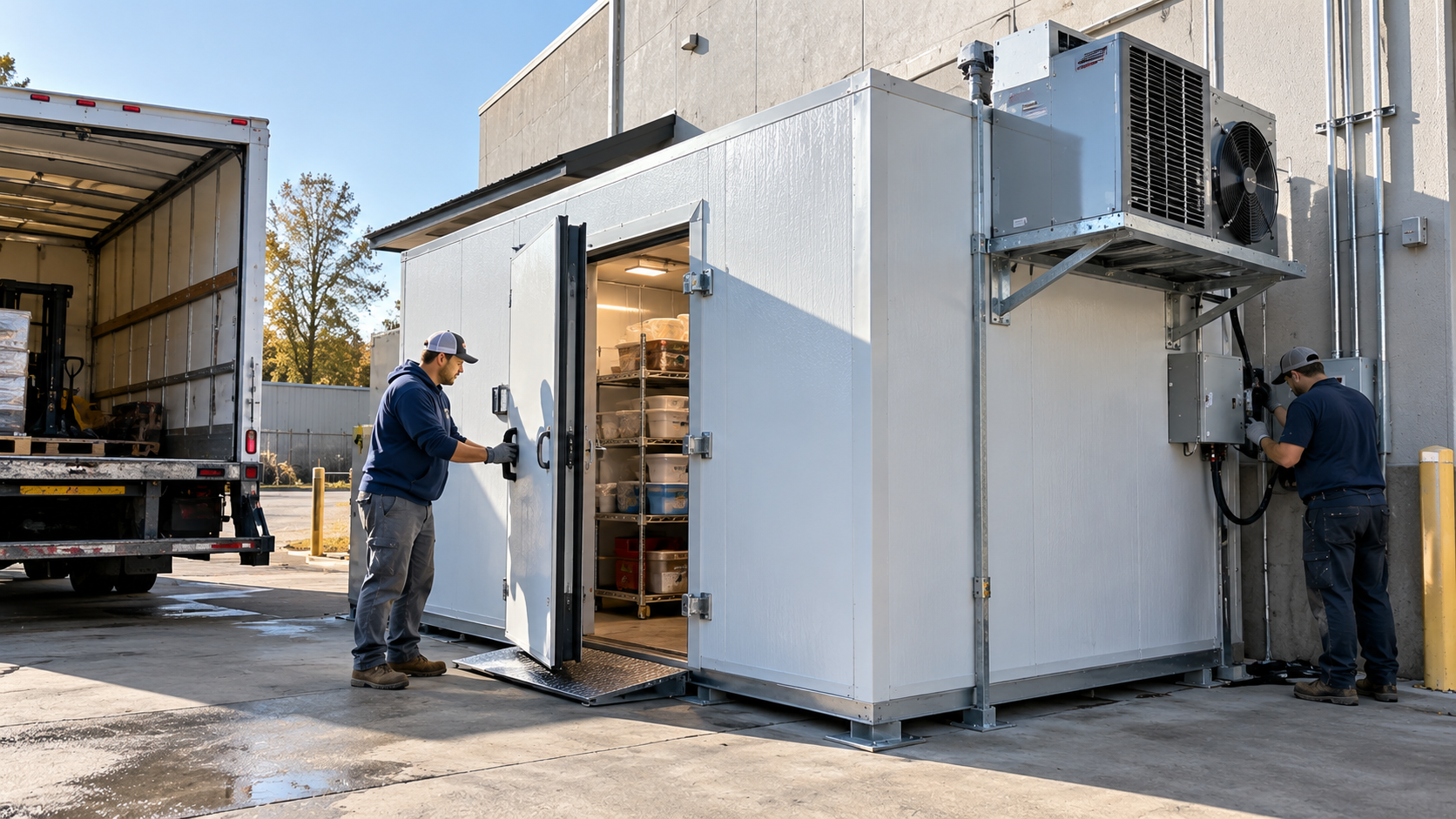
Refrigerant levels, maintained by the Commercial Refrigeration Repair Service directly impact system efficiency and component longevity. Low refrigerant indicates a leak that requires immediate attention—not just for performance reasons, but also for environmental compliance under EPA Section 608. Systems operating with insufficient refrigerant force compressors to work harder, often leading to catastrophic failure.
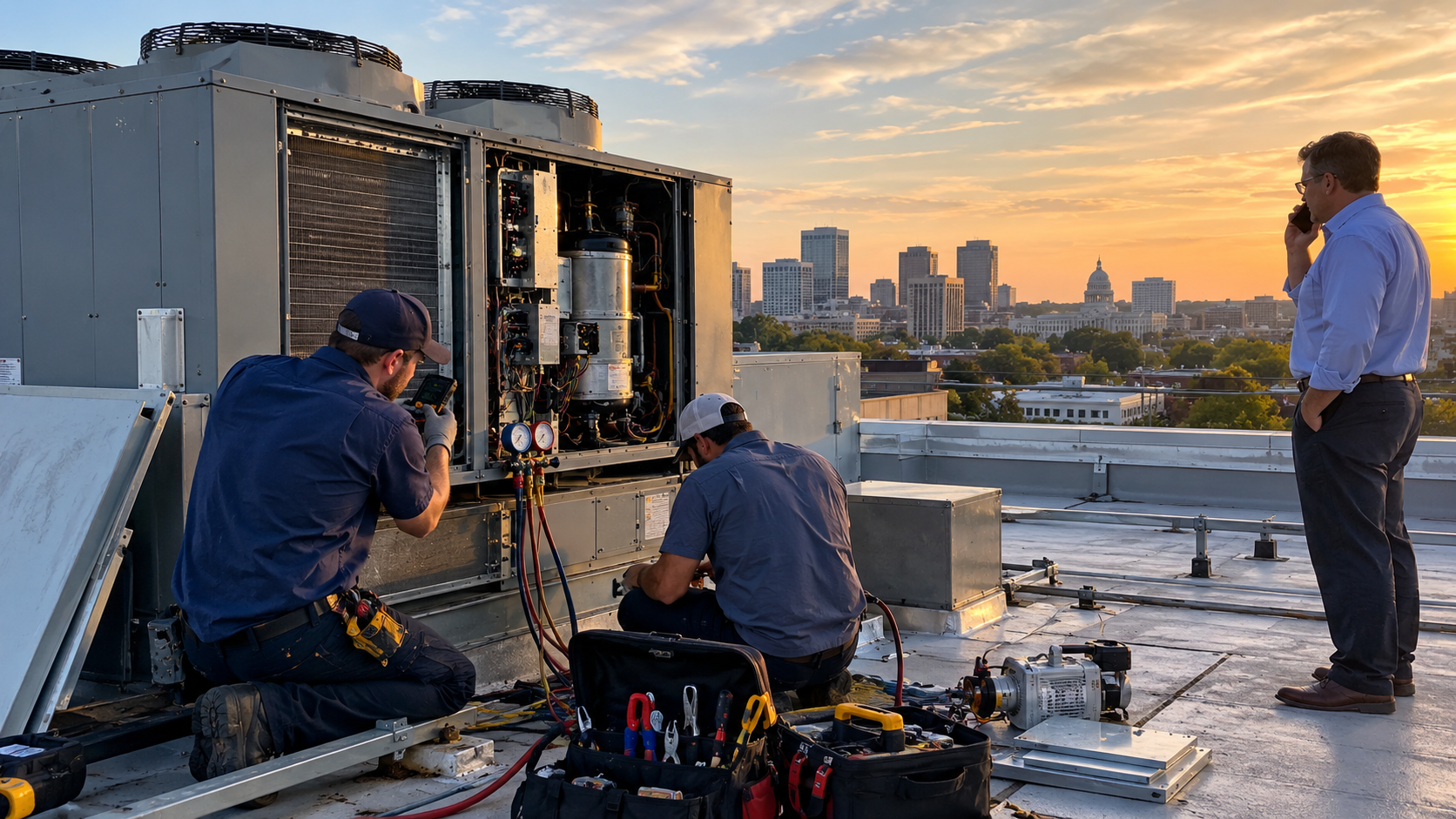
Professional technicians use manifold gauges to verify precise refrigerant levels while conducting leak detection using electronic sensors or ultrasonic equipment. Even small leaks can lose several pounds of refrigerant annually, gradually degrading performance before causing complete system failure. Regular assessment prevents these escalating problems while ensuring environmental compliance.
4. Electrical Component Inspection Prevents Premature Failure
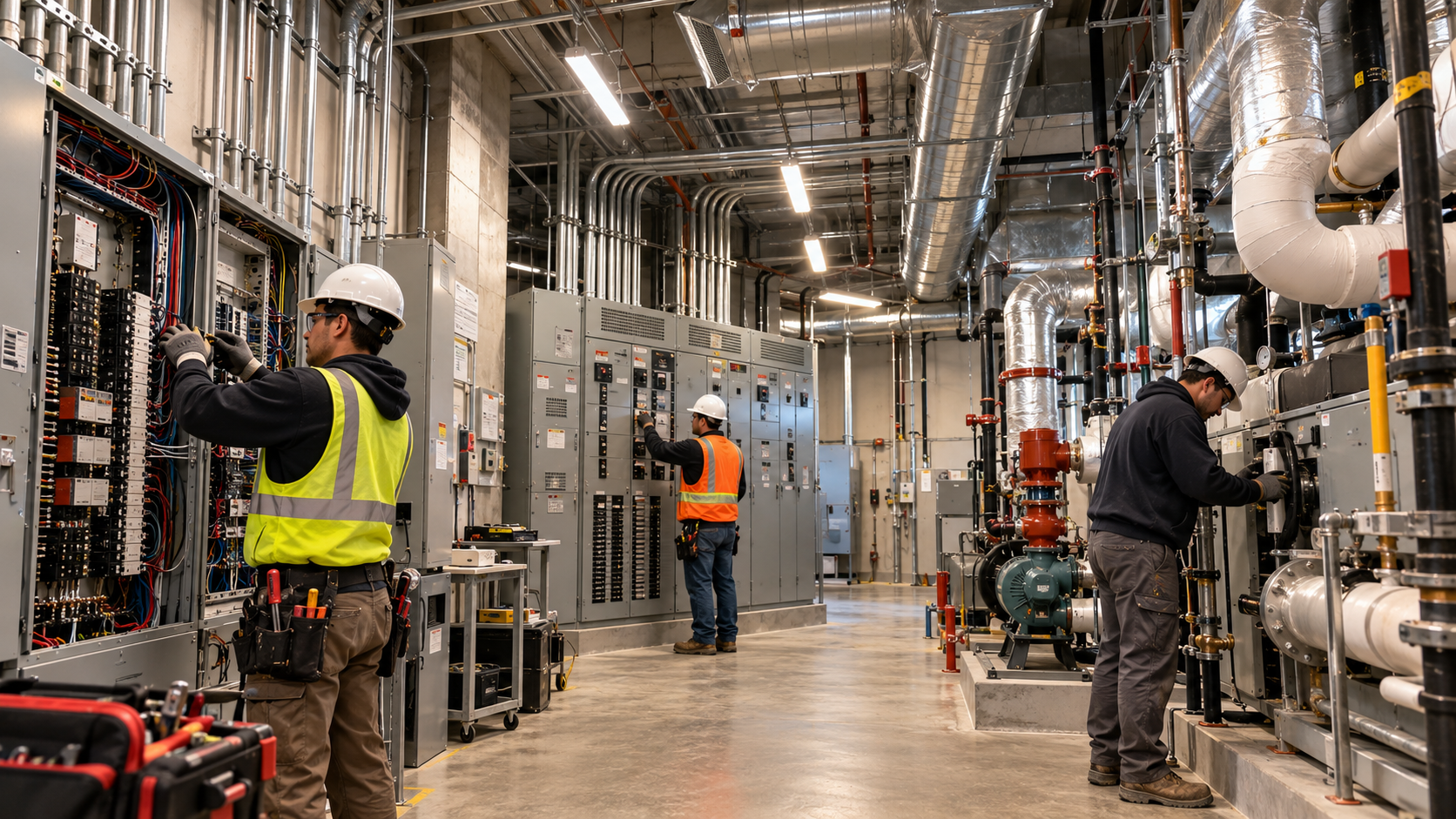
Electrical issues account for nearly 30% of all HVAC system failures, yet they're often the easiest to prevent through regular inspection. Loose connections create resistance that generates heat, gradually damaging terminals and wiring insulation. During maintenance visits, technicians should verify proper voltage and amperage at all connection points while looking for signs of overheating or corrosion.
Capacitors, contactors, and relays require particular attention as they experience significant wear during normal operation. These components often show visual signs of impending failure, allowing for proactive replacement before they cause system-wide disruption. Torque testing electrical connections and infrared scanning can identify potential failures weeks or months before they impact operations.
"During a routine electrical inspection, we discovered a failing capacitor at a Harrisonburg restaurant. The $85 preventive replacement saved them from a $1,200 emergency repair and prevented what would have been a full-day closure during their busiest weekend of the year."
— Service Manager, VA Commercial Repair Solutions
Modern digital multimeters with data logging capabilities allow technicians to track electrical component performance over time, establishing baseline readings and identifying gradual degradation patterns. This predictive approach transforms electrical maintenance from periodic inspections to trend-based component replacement scheduling.
Remember that electrical safety must remain paramount during these inspections, with all work performed by qualified professionals who understand both electrical systems and HVAC-specific requirements. Comprehensive electrical component maintenance typically extends system life by 3-5 years alone.
5. Condensate Drain Maintenance Eliminates 18% of Common Breakdowns
Clogged condensate drains cause approximately 18% of preventable HVAC failures according to RSMeans (2025) data. These drains collect and remove moisture extracted during the cooling process, but they quickly become breeding grounds for algae, mold, and bacterial slime that restrict water flow. When blockages occur, water backs up into drain pans, potentially triggering safety switches or causing water damage. For businesses in Virginia’s competitive commercial landscape, maintaining these drains is crucial to avoid costly breakdowns.
Quarterly drain line flushing with appropriate biocides prevents these blockages while eliminating potential sources of indoor air contamination. Installing clear drain sections near access points allows for visual inspection without disassembly. For mission-critical systems, consider adding condensate drain safety switches that automatically shut down systems if water begins backing up.
6. Ductwork Sealing Reduces Energy Loss by 20-30%
The average commercial ductwork system loses 20-30% of conditioned air through leaks and poor connections before it reaches intended spaces. This invisible energy drain forces systems to work harder while creating uncomfortable temperature variations throughout your facility. Professional duct inspections should occur annually, with particular attention to connection points, flex duct attachments, and areas subject to vibration.
Modern aerosol-based sealing technologies can reach leaks throughout entire duct systems without requiring extensive disassembly or access point creation. This approach seals leaks from the inside out, dramatically improving efficiency even in older buildings with limited access to ductwork. Properly sealed ducts not only improve energy efficiency but also enhance air distribution, creating more consistent temperatures throughout your facility.
7. Belt Tension and Lubrication Assessment
Drive belts and motor bearings represent common failure points that respond exceptionally well to preventive maintenance. Improper belt tension causes premature wear while creating inefficient power transfer from motors to fans. Technicians should check belt tension using proper gauges rather than subjective "thumb pressure" tests, adjusting to manufacturer specifications.
Motor bearings require specific lubrication schedules based on operating conditions, with both over-lubrication and under-lubrication causing premature failure.
Professional maintenance programs establish appropriate lubrication intervals and use lubricants specifically formulated for HVAC applications. These simple mechanical checks typically take minutes to perform but can prevent thousands in repair costs.
Seasonal Maintenance Timeline for Maximum Performance
Creating a seasonal approach to maintenance ensures your system receives appropriate attention before entering periods of peak demand. This proactive timeline prevents the most common seasonal failures while optimizing performance during critical periods.
Spring Preparation Tasks
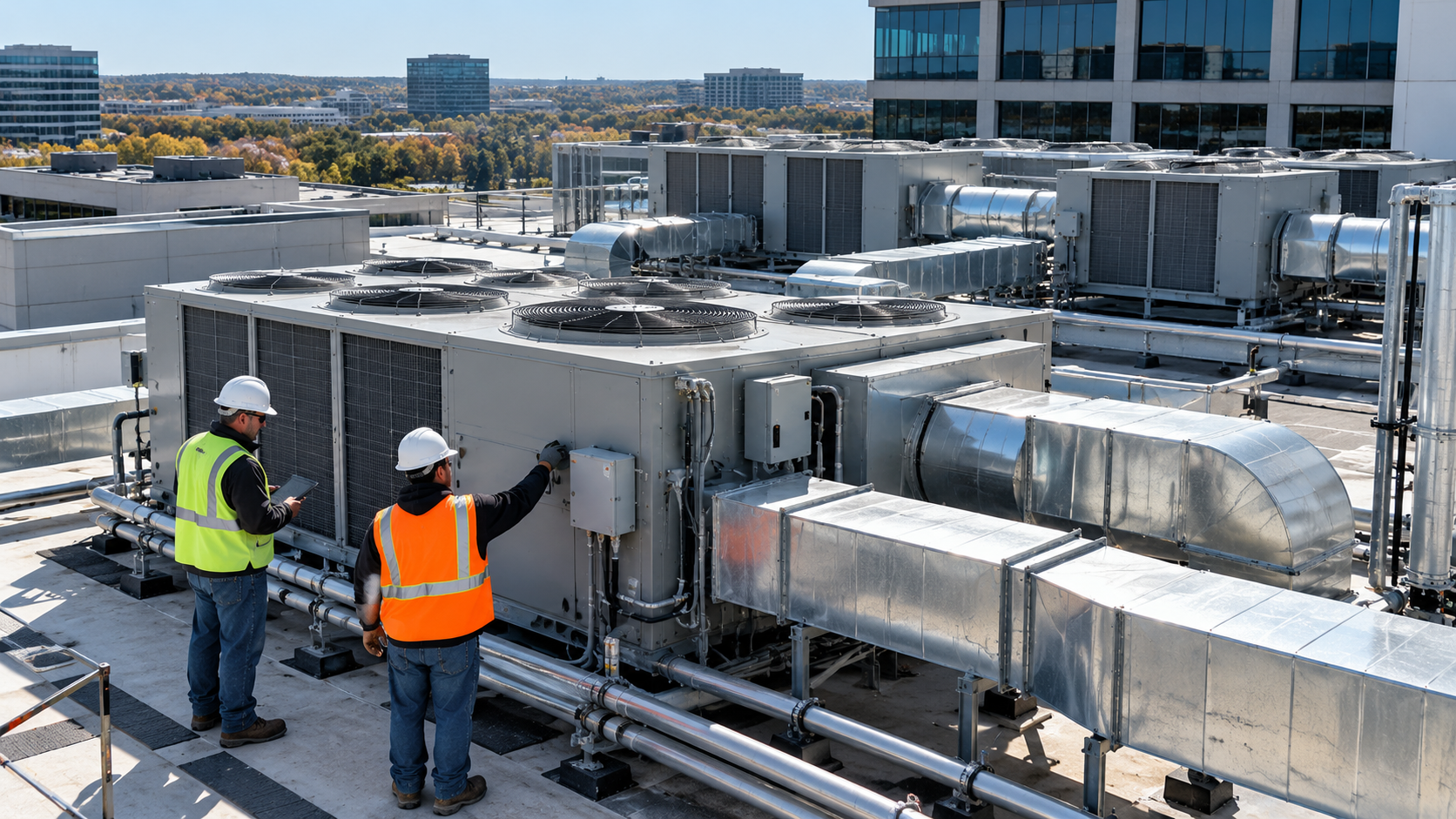
Spring maintenance focuses on preparing cooling systems for summer operation while addressing any issues that developed during winter. Condenser coil cleaning should be prioritized to remove accumulated debris and restore heat rejection capability. Technicians should check refrigerant levels, clean or replace air filters, and verify proper operation of economizers and ventilation systems that will provide free cooling during moderate weather.
Additional spring tasks include lubricating moving parts, checking belt tension and condition, and calibrating control systems for cooling season operation. This is also an ideal time to implement any planned efficiency upgrades before peak cooling demand begins. For buildings with humidity control requirements, spring maintenance should include verification of dehumidification capabilities and adjustment of control parameters.
Summer Operation Checks
Summer maintenance focuses on monitoring system performance during peak load conditions while preventing unexpected failures during critical cooling periods. Weekly condensate drain checks prevent blockages during periods of high moisture removal, while monthly filter inspections maintain airflow during high-usage periods. Technicians should also verify proper operation of staging controls in multi-unit systems to ensure even wear across all units.
For facilities with critical cooling requirements, consider implementing remote monitoring systems that provide real-time performance data and early warning of developing issues. Summer is also an excellent time to audit energy consumption and compare against established baselines to identify potential efficiency losses. Pay particular attention to refrigerant pressures during extreme heat events, as these conditions expose weaknesses in marginally charged systems.
Fall Transition Procedures
Fall maintenance represents a critical transition period when systems shift from cooling to heating operation. Technicians should perform comprehensive inspections of heating components that have been dormant during summer months, including heat exchangers, ignition systems, and combustion analysis for gas furnaces. Early fall is the ideal time to identify and address heating system issues before cold weather arrives.
As outdoor temperatures moderate, economizer functionality becomes particularly important for capturing "free cooling" opportunities. Damper actuators, linkages, and control sequencing should be verified to ensure proper economizer operation. Fall maintenance should also include thermostat recalibration and programming updates to align with seasonal occupancy patterns and temperature requirements.
Winter Protection Measures
Winter maintenance focuses on ensuring consistent heating performance while protecting outdoor equipment from harsh conditions. Freeze protection systems and controls require particular attention, especially for facilities in Virginia's varied climate zones. Technicians should verify proper operation of crankcase heaters that protect compressors during cold weather and inspect heat pump defrost cycles to ensure efficient operation.
For buildings with cooling towers or water-cooled systems, proper winterization prevents expensive freeze damage. Additional winter checks include combustion air verification, carbon monoxide testing, and humidity control assessment to prevent dry air issues. Proactive winter maintenance significantly reduces the likelihood of heating emergencies during extreme weather events when service availability may be limited.
Warning Signs Your HVAC System Needs Immediate Attention
Even with regular maintenance, commercial systems occasionally develop issues requiring prompt intervention. Training facility staff to recognize early warning signs can prevent minor problems from escalating into major failures. The following indicators should trigger immediate professional assessment.
Unusual Noises Signal Mechanical Problems
Unusual sounds often provide the earliest indication of developing mechanical issues. Grinding noises typically indicate bearing failures in motors or fans, while rattling suggests loose components or mounting hardware. High-pitched squealing often stems from belt slippage or misalignment, and banging or clanking during startup points to potential compressor problems.
These acoustic warnings rarely resolve themselves and almost invariably worsen without intervention. Immediate professional assessment when unusual noises first appear often leads to simple adjustments or minor component replacements rather than catastrophic failures. Staff should document when and under what operating conditions these sounds occur to help technicians diagnose the underlying causes.
Rising Energy Bills Indicate Efficiency Loss
Unexplained increases in energy consumption typically indicate developing system inefficiencies. When energy usage climbs while operational patterns remain consistent, components are working harder to deliver the same output. This pattern suggests problems like refrigerant leaks, airflow restrictions, or control system issues that force the system to run longer cycles or operate at higher power levels.
Businesses should maintain monthly energy consumption records normalized for weather conditions and occupancy to identify these trends early. Modern building automation systems can provide more granular data, allowing for day-by-day or even hour-by-hour comparison to established baselines. This approach transforms energy monitoring from a simple cost tracking exercise into a powerful diagnostic tool.
Inconsistent Temperature Control
When temperature variations between spaces or within the same area increase, your system is struggling to maintain set points. These inconsistencies often indicate airflow problems, sensor failures, or zoning issues that prevent proper distribution of heating or cooling. Areas consistently running too hot or cold despite thermostat adjustments require professional evaluation.
Temperature inconsistencies frequently cause occupant comfort complaints that impact productivity and customer satisfaction. These variations also indicate the system is working harder than necessary in some zones while underperforming in others, creating overall inefficiency. Addressing these issues promptly not only improves comfort but often reveals opportunities for significant energy savings.
Increased Humidity and Poor Air Quality
Proper commercial HVAC operation maintains humidity levels between 40-60% while filtering particulates from the air. When spaces feel damp or stuffy, or when dust accumulation increases, the system isn't properly conditioning air. These changes may indicate coil fouling, improper cycle timing, or ventilation problems that require immediate attention.
Beyond comfort issues, humidity control directly impacts building materials, inventory, and equipment longevity. Elevated moisture levels create conditions for mold growth and can damage electronics, paper products, and other moisture-sensitive materials. Indoor air quality concerns should always trigger prompt professional assessment, as they impact both building integrity and occupant health.
System Short-Cycling
When systems run for brief periods before shutting down and quickly restarting, they're experiencing "short-cycling"—a pattern that dramatically increases wear on components while reducing efficiency. This behavior typically indicates improper sizing, refrigerant issues, or control problems that prevent the system from completing normal operational cycles.
Short-cycling is particularly damaging to compressors, which rely on minimum run times to maintain proper lubrication and operating temperatures. Each start-up cycle creates significant mechanical and electrical stress that accumulates over time. Addressing short-cycling promptly often prevents compressor failure—typically the most expensive single repair in HVAC systems.
Creating a Maintenance Plan That Delivers 545% ROI
The remarkable 545% return on investment reported by Jones Lang LaSalle (JLL - https://www.jll.com/en-us/) doesn't happen accidentally—it requires structured implementation of maintenance best practices. Creating an effective maintenance strategy involves coordinating daily monitoring, monthly in-house tasks, and professional quarterly service to create a comprehensive approach.
Daily Staff Monitoring Checklist
Facility staff represent your first line of defense against developing HVAC issues. Training key personnel to perform quick daily checks creates an early warning system that catches problems before they escalate. These checks should include listening for unusual noises during startup, verifying proper airflow at vents, checking for water leaks around equipment, and noting any unusual odors that might indicate electrical or mechanical issues.
Staff should also monitor basic performance indicators like zone temperatures and system runtime, noting any deviations from normal patterns. Creating a simple checklist and log ensures consistency across shifts and provides valuable historical data when troubleshooting is required. These daily observations often identify issues days or weeks before they would trigger automated alarms or cause operational problems.
Monthly In-House Maintenance Tasks
Certain maintenance tasks can be effectively performed by trained facility personnel, reducing service costs while maintaining system performance. Filter inspection and replacement should top this list, with staff checking filter condition monthly and replacing as needed. Additional monthly tasks include visual inspection of belts, checking condensate drain pans for proper drainage, and cleaning outdoor unit surroundings to ensure proper airflow.
For facilities with building automation systems, monthly data reviews help identify performance trends and potential issues. Staff should examine runtime hours, cycle frequency, and temperature differential across coils to spot gradual performance changes. These monthly checks complement professional service while providing continuous system oversight between technician visits.
Quarterly Professional Service Schedule
While daily monitoring and monthly checks provide valuable oversight, quarterly professional service delivers the detailed technical assessment necessary for optimal performance. These comprehensive evaluations should include mechanical, electrical, and control system inspections performed by certified technicians with commercial-specific expertise. Professional quarterly service typically includes refrigerant level verification, electrical testing, belt tension adjustment, bearing lubrication, and control calibration.
The quarterly schedule should adapt to your facility's specific seasonal requirements, with more intensive inspections before peak heating and cooling seasons. Professional technicians bring specialized diagnostic equipment and system-specific knowledge that identifies developing issues before they impact performance. This expertise transforms maintenance from simply "fixing what breaks" to truly preserving and optimizing your HVAC investment.
Digital Maintenance Tracking Tools
Modern maintenance management requires digital tools that track service history, component replacements, and performance trends. These platforms create accountability while providing valuable data for operational decisions. Digital tracking systems maintain comprehensive equipment inventories, service records, and warranty information in a centralized repository accessible to both facility staff and service providers.
Advanced platforms incorporate predictive maintenance algorithms that analyze performance data to forecast potential failures before they occur. These systems transform maintenance from calendar-based scheduling to condition-based interventions that optimize both system performance and maintenance expenditures. For multi-location businesses, digital platforms also standardize maintenance practices across facilities while providing enterprise-level performance visibility.
The Data-Backed Benefits of Preventive vs. Reactive Maintenance
The financial case for preventive maintenance becomes compelling when examining specific performance metrics. Research consistently demonstrates dramatic improvements across key operational indicators when comparing proactive maintenance programs to reactive approaches.
30% Extended Equipment Life Explained
The 30% lifespan extension reported by ASHRAE (2025) stems from addressing the primary causes of premature system failure. Well-maintained systems experience significantly less compressor strain, with properly cleaned coils reducing compression ratios by 10-15%. Regular electrical maintenance prevents voltage irregularities that gradually damage electronic components, while proper lubrication dramatically reduces mechanical wear on bearings and drive systems. These combined interventions directly address the mechanical and electrical stress factors that typically cause premature equipment failure.
25-40% Energy Cost Reduction
Energy savings from preventive maintenance accumulate through multiple efficiency improvements. Clean coils improve heat transfer efficiency by 20-25%, while proper refrigerant levels optimize compressor energy consumption. Correctly tensioned belts reduce drive losses by 5-10%, and properly lubricated bearings minimize mechanical friction throughout the system. These individual improvements combine to create substantial energy savings that directly impact operating costs while reducing carbon footprint.
37% Lower Annual Repair Expenses
The dramatic reduction in repair costs stems from addressing minor issues before they cascade into system-wide failures. Regular inspection identifies worn belts, weak capacitors, and failing contactors while they're still functioning, allowing for scheduled replacement during normal business hours. This proactive approach eliminates emergency service premiums and after-hours labor rates that typically double or triple repair costs.
Additionally, preventive maintenance often reveals warranty-covered issues that might otherwise go undetected until after coverage expires. For systems still under manufacturer warranty, documented maintenance records ensure coverage remains valid when significant issues do arise.
The combination of early intervention, scheduled repairs, and warranty optimization creates substantial cost savings over reactive approaches.
Avoided Downtime Saves Thousands
The true cost of HVAC failure extends far beyond repair expenses to include productivity losses, revenue impacts, and reputation damage. According to FacilitiesNet research, the average retail business loses $1,000 per hour during HVAC failures, while offices experience productivity reductions of 30-50% when temperatures exceed comfort ranges. Healthcare facilities face even greater costs, with specialized areas like surgical suites generating losses exceeding $10,000 per hour when environmental controls fail.
Upgrade Opportunities That Enhance System Longevity
Beyond basic maintenance, strategic component upgrades can significantly extend system life while improving performance. These targeted investments deliver exceptional returns by addressing specific efficiency limitations without requiring complete system replacement.
The most effective upgrades focus on control systems, drive components, and air quality enhancements that improve overall system operation while reducing mechanical stress. These modifications typically offer payback periods under 24 months while extending equipment life by 5-8 years.
Smart Thermostats and Remote Monitoring
Advanced control systems represent the highest ROI upgrade for most commercial buildings. Modern communicating thermostats provide precise temperature control while enabling remote monitoring and adjustment. These systems optimize start-up and shutdown sequences to reduce mechanical stress during transitional periods when component failure risk is highest. Remote monitoring capabilities alert facility managers to performance anomalies before they cause comfort issues or equipment damage, enabling truly predictive maintenance.
Variable Frequency Drives (VFDs)
Adding VFDs to fan and pump motors dramatically reduces mechanical stress while improving energy efficiency. These devices eliminate the harsh on/off cycling that damages motors, bearings, and drive components by allowing gradual speed adjustments that match actual building loads.
For systems with variable occupancy or process loads, VFDs typically reduce energy consumption by 30-50% while extending motor life by up to 300%. The reduced mechanical stress from soft-start capabilities alone typically extends drive system components by 5-7 years.
Implementation costs have decreased substantially in recent years, with typical commercial installations achieving full payback in 12-18 months. Beyond energy savings, VFDs improve temperature and humidity control by allowing precise capacity modulation rather than the crude on/off control of conventional systems. This improved control creates more consistent comfort while reducing the wear associated with frequent cycling.
Air Purification Technologies
Advanced air purification systems improve indoor air quality while protecting critical system components from contamination. UV-C germicidal lamps installed near cooling coils prevent biological growth that restricts airflow and reduces heat transfer efficiency. These systems typically improve energy efficiency by 10-15% while dramatically reducing coil cleaning requirements. For facilities with high outdoor air requirements or challenging indoor contaminants, bipolar ionization and advanced filtration technologies provide additional protection for both occupants and equipment.
Turn Your HVAC System From a Liability Into a Long-Term Asset
Implementing comprehensive preventive maintenance transforms commercial HVAC systems from unpredictable liabilities into reliable, long-term assets that contribute to business success. The data clearly demonstrates that proper maintenance delivers exceptional returns through extended equipment life, reduced energy costs, and avoided emergency repairs.
By following the strategies outlined in this guide, facility managers can achieve the 30% lifespan extension and 545% ROI documented by industry research.
Frequently Asked Questions
Business owners and facility managers frequently ask these questions when implementing preventive maintenance programs. These answers provide quick guidance while highlighting the importance of customizing maintenance approaches to your specific equipment and operational needs.
How often should commercial HVAC filters be replaced?
- Standard commercial environments: Monthly replacement minimum
- Healthcare facilities: Bi-weekly replacement recommended
- Light-use office environments: Every 6-8 weeks possible with monitoring
- Industrial or high-particulate environments: Weekly inspections with replacement as needed
- Restaurant kitchen areas: Every 2-3 weeks to prevent grease accumulation
Filter replacement frequency should ultimately be determined by pressure drop monitoring rather than strict calendar scheduling. Modern systems with differential pressure sensors can automatically alert maintenance staff when filters reach replacement thresholds. This approach ensures optimal timing based on actual conditions rather than arbitrary schedules.
For multi-zone systems, different areas often require different replacement frequencies based on usage patterns and particulate loads. Creating zone-specific replacement schedules improves overall system efficiency while optimizing maintenance resources. Always maintain detailed replacement logs to establish appropriate intervals for your specific facility.
Remember that upgrading filter quality often proves more cost-effective than increasing replacement frequency. Higher MERV ratings (8-13 for most commercial applications) capture more particulates while maintaining reasonable airflow resistance when properly sized for your system.
What's the average lifespan of a commercial HVAC system?
Commercial HVAC systems typically last 15-20 years with proper maintenance, though individual components have varying lifespans. Regular preventive maintenance can extend this timeline by 30% or more, while neglect can reduce it by up to 40%.
- Component Average Lifespan (With Maintenance)
- Average Lifespan (Without Maintenance) Maintenance Impact
- Compressors 12-15 years 7-8 years +5-7 years
- Gas Furnaces 20-25 years 12-15 years +8-10 years
- Fan Motors 15-20 years 8-10 years +7-10 years
- Heat Exchangers 20-25 years 10-15 years +10 years
- Control Systems 15-20 years 8-10 years +7-10 years
These numbers vary significantly based on usage patterns, environmental conditions, and equipment quality. Systems operating in coastal areas with salt exposure typically experience shorter lifespans, while those in controlled indoor environments often exceed average expectations. The quality of installation also significantly impacts longevity, with proper sizing and ductwork design extending useful life by 20-30%.
When evaluating system replacement, consider that the last 2-3 years of a system's life typically account for 25-30% of its lifetime operating costs due to declining efficiency and increasing repairs. Proactively replacing systems before catastrophic failure often proves more economical while allowing for planned capital expenditure rather than emergency replacement.
Can I perform any maintenance tasks without professional help?
Yes, several important maintenance tasks can be performed by trained facility staff. Regular filter inspection and replacement, visual checks of belts and drive components, condensate drain cleaning, and outdoor unit debris removal can all be performed in-house with minimal training. Staff can also monitor basic performance indicators like supply air temperature, zone temperature consistency, and unusual noise or vibration.
These in-house activities complement professional service while providing continuous system oversight between technician visits.
How much should I budget for annual HVAC maintenance?
Commercial HVAC maintenance typically costs between $0.70-$1.00 per square foot annually for comprehensive service, though this range varies based on system complexity, equipment age, and facility type. This investment delivers exceptional returns, with properly maintained systems reducing overall operating costs by $2.50-$3.50 per square foot through energy savings and avoided repairs.
For budgeting purposes, newer systems (under 5 years) generally require about $0.70 per square foot, middle-aged systems (5-10 years) approximately $0.85 per square foot, and older systems (10+ years) closer to $1.00 per square foot. These figures include quarterly professional service, filter replacements, belt adjustments, and minor repairs, but exclude major component replacements or refrigerant recharging.
Most commercial buildings benefit from investing approximately 5-8% of their annual energy costs in preventive maintenance. This approach ties maintenance budgets directly to potential savings while ensuring appropriate resource allocation for different facility types. Healthcare facilities and data centers typically require higher maintenance investments (8-10% of energy costs) due to critical operation requirements and specialized equipment.
- Standard office environments: $0.70-$0.85 per square foot annually
- Retail facilities: $0.75-$0.90 per square foot annually
- Healthcare facilities: $0.90-$1.20 per square foot annually
- Manufacturing/industrial: $0.80-$1.00 per square foot annually
- Data centers/telecom: $1.00-$1.50 per square foot annually
When evaluating maintenance contracts, focus on comprehensive coverage rather than lowest cost. Quality providers like VA Commercial Repair Solutions structure programs to address your specific equipment needs rather than offering one-size-fits-all solutions.
How quickly does preventive maintenance start showing ROI?
Most businesses see immediate energy savings of 5-10% within the first 30 days of implementing preventive maintenance as simple adjustments and cleaning restore basic efficiency. These initial savings typically cover 30-40% of first-year maintenance costs, with full ROI achieved within 12-18 months through combined energy savings and avoided repairs.
The ROI timeline varies based on current system condition and previous maintenance practices. Systems transitioning from complete neglect to proper maintenance show dramatic early returns, often reducing energy consumption by 15-20% in the first quarter. Equipment previously receiving sporadic service typically demonstrates more gradual improvement, with savings accumulating over 6-12 months as comprehensive maintenance addresses accumulated inefficiencies.
Beyond direct financial returns, businesses typically report improved occupant comfort within the first 30 days of implementing comprehensive maintenance. This improved environmental quality creates secondary benefits through increased productivity, reduced absenteeism, and enhanced customer experiences that contribute to overall business performance.
The most significant ROI often comes from avoided equipment replacement, with properly maintained systems lasting 5-8 years longer than neglected equipment. This extended useful life represents thousands in deferred capital expenditure that dramatically improves overall facility management economics.
Need expert guidance on developing a proactive maintenance plan tailored to your specific equipment? VA Commercial Repair Solutions provides customized programs that transform HVAC systems from unpredictable expenses into reliable, efficient assets.
Opening a Restaurant in Virginia: Kitchen Design, Hood, Fire Suppression and Refrigeration Checklist