
Commercial Ice Maker Repair Charlottesville VA: Why Your Machine Keeps Breaking Down
Find out why your commercial ice machine breaks down in Charlottesville VA, how to identify the root causes, and what expert solutions prevent costly repairs and downtime.
Key Takeaways
- Water system failures account for approximately 40% of all commercial ice maker breakdowns in Charlottesville, with mineral buildup being the primary culprit.
- Implementing a regular preventative maintenance schedule can save businesses up to $1,500 annually on ice machine repair costs.
- Charlottesville's moderate water hardness creates unique challenges for ice machines, requiring specialized filtration systems to prevent scale-related damage.
- DIY repairs on commercial ice makers often lead to more extensive damage, regulatory violations, and potentially void manufacturer warranties.
- VA Commercial Repair Solutions provides specialized ice machine maintenance services tailored to Charlottesville's unique water conditions and seasonal challenges.
Is your restaurant or hotel constantly dealing with ice machine breakdowns? You're not alone. Commercial ice makers in Charlottesville face unique challenges that can lead to frustrating and costly failures. Understanding what's causing your machine to malfunction is the first step toward preventing future problems and extending equipment life.
Keeping ice machines operational is critical for businesses across Central Virginia, where summer temperatures regularly exceed 90°F and customer expectations for cold beverages remain high year-round. VA Commercial Repair Solutions specializes in diagnosing and resolving these common issues, helping business owners maintain consistent ice production while avoiding expensive emergency repairs. With proper maintenance and timely professional intervention, most commercial ice makers can provide reliable service for 7-10 years in our local conditions.
7 Common Reasons Your Commercial Ice Maker Fails in Charlottesville
Commercial ice makers are complex systems with multiple potential failure points. Understanding these common issues helps business owners identify problems early before they cause complete system failure. While some maintenance can be performed in-house, most significant repairs require professional attention from certified technicians familiar with commercial refrigeration systems.
Water System Failures: The #1 Cause of Ice Machine Breakdowns
Water-related problems account for nearly 40% of all service calls for commercial ice makers in Charlottesville. The intricate water circulation system in your ice machine requires precise flow rates, proper filtration, and consistent pressure to maintain optimal ice production. When any component of this system fails, ice production slows or stops completely, often resulting in emergency service calls during peak business hours.
Mineral Buildup From Charlottesville's Hard Water
Charlottesville's municipal water, supplied by the Rivanna Water and Sewer Authority, contains moderate mineral content that creates significant challenges for ice machine operation. These minerals—primarily calcium and magnesium—accumulate on critical components including evaporator plates, water valves, and distribution tubes. As scale builds up, it creates an insulating layer that prevents efficient heat transfer, forcing your machine to work harder while producing less ice.
Scale accumulation represents the primary threat to commercial ice machine efficiency in our region, creating calcium and magnesium deposits throughout the water circulation system. Left untreated, these mineral deposits can completely block water flow, damage components, and reduce energy efficiency by up to 30%. Professional descaling treatments remove these deposits without damaging sensitive components, restoring proper operation and extending equipment life.
Clogged Water Filters Reduce Production by 40%
Water filtration systems serve as your ice machine's first line of defense against Charlottesville's moderate water hardness. When these filters become saturated with contaminants, water flow decreases dramatically, forcing your machine to work harder while producing significantly less ice. Most commercial operations in our area require quarterly filter replacement to maintain optimal performance, though high-volume establishments may need more frequent service.
Neglected filters not only reduce ice production but also allow minerals and contaminants to bypass filtration entirely, accelerating scale buildup throughout the system. This compromised filtration increases energy consumption by up to 25% while simultaneously reducing daily ice production capacity. For high-volume establishments in Charlottesville, quarterly filter replacement represents a minor expense compared to the operational costs of reduced production and increased energy consumption.
Water Pump Malfunctions: Warning Signs Before Failure
Water circulation pumps rarely fail without warning signs. Unusual noises, inconsistent water flow, or ice formation patterns provide early indicators of pump deterioration. These symptoms often appear weeks before complete failure, giving attentive operators time to schedule preventive ice maker machine maintenance rather than emergency repairs.
When water pumps begin to fail, they typically create distinctive symptoms including unusual vibration, inconsistent water curtain flow over evaporator plates, and uneven ice formation patterns. These early warning signs provide operators with a critical opportunity to schedule preventive service before complete system failure occurs. Professional technicians can often replace failing pumps during scheduled maintenance, preventing emergency service calls that disrupt business operations and cost significantly more than planned maintenance.
Temperature Control Problems Affect Ice Quality
Temperature regulation issues account for approximately 25% of commercial ice machine failures in Charlottesville. These problems manifest through inconsistent ice quality, reduced production volume, and increased energy consumption. Temperature-related failures typically develop gradually, providing attentive operators with opportunities to address issues before complete system failure.
Temperature-Related Ice Quality Problems
- Soft, cloudy ice: Evaporator temperature too high
- Small, incomplete cubes: Freeze cycle ending prematurely
- Oversized, fused cubes: Thermostat failure extending freeze cycle
- Extended harvest cycles: Inadequate heat during harvest phase
- Incomplete bin filling: Premature cycle termination
Thermostat Failures Create Inconsistent Ice Production
Thermostat and temperature sensor failures typically produce inconsistent ice quality before creating complete system shutdowns. Early symptoms include variable ice cube sizes, incomplete freezing cycles, and erratic operation patterns. Professional diagnosis identifies whether the issue involves thermostat calibration, sensor failure, or control board problems.
Condenser Coil Contamination Raises Operating Costs
Condenser coils located in kitchen environments collect grease, dust, and airborne contaminants that create an insulating layer over heat exchange surfaces. This contamination forces compressors to run longer cycles at higher pressures, dramatically increasing energy consumption while reducing cooling capacity. In Charlottesville's food service environments, condenser coils typically require professional cleaning every 3-6 months to maintain optimal efficiency.
When condenser coils become contaminated, system pressures rise substantially, forcing compressors to work against increasing resistance. This excessive workload not only increases energy consumption by 15-30% but also accelerates wear on expensive compressor components. The resulting strain significantly reduces compressor lifespan, often leading to premature system failure that could have been prevented through routine maintenance.
How Summer Heat Waves Strain Your Ice Machine
Charlottesville's summer temperatures regularly exceed 90°F, creating challenging operating conditions for commercial refrigeration systems. During heat waves, ice production capacity can decrease by 20-30% while energy consumption increases proportionally. Machines located near heat-producing equipment or in poorly ventilated areas suffer even greater capacity reduction and efficiency losses.
Professional technicians can implement specific summer operation protocols that optimize performance during extreme temperature conditions. These adjustments include condenser cleaning, refrigerant pressure verification, and air flow modifications that maintain production capacity during peak demand periods. For businesses that experience seasonal demand spikes, proactive maintenance before summer helps prevent costly downtime during critical revenue periods.
Mechanical Component Breakdowns That Halt Production
Mechanical failures constitute approximately 20% of commercial ice machine problems in Charlottesville establishments. Unlike gradual deterioration seen in water or temperature systems, mechanical issues often produce dramatic symptoms that result in immediate production stoppage. These failures typically involve moving components that experience continuous operational stress during normal operation.
Auger Motor Issues in Flake Ice Machines
Flake and nugget ice machines rely on powerful auger motors to scrape ice from evaporator cylinders and transport it to dispensing mechanisms. These motors operate under significant mechanical load, making them vulnerable to bearing failure, gear damage, and electrical problems. When auger systems fail, they often produce distinctive grinding or squealing noises before complete shutdown occurs.
Professional repair technicians use specialized diagnostic equipment to differentiate between electrical and mechanical auger failures. This precision diagnosis prevents unnecessary parts replacement and reduces repair costs while addressing the actual failure point. For Charlottesville businesses that depend on specialty ice types, keeping spare critical components on-site can reduce downtime during emergency repairs.
Harvest System Failures in Cube Machines
Cube ice machines rely on complex harvest systems that release frozen ice from evaporator plates. These systems use hot gas bypass valves, mechanical ejectors, or water flush mechanisms that often experience problems after 2-3 years of operation. When harvest systems fail, machines continue freezing water but fail to release completed ice into storage bins.
Most harvest system failures begin with partial symptoms including extended cycle times, incomplete cube release, or intermittent operation before progressing to complete system failure. Experienced operators who recognize these early warning signs can schedule preventive maintenance during low-demand periods rather than experiencing emergency failures during peak business hours.
The Hidden Dangers of DIY Ice Machine Repairs
The complexity of modern commercial ice machines makes DIY repairs exceptionally risky for business owners. Beyond the obvious risk of worsening existing problems, amateur repair attempts often create serious safety hazards, health code violations, and warranty complications. Professional ice maker repairs ultimately cost less when considering the potential consequences of unsuccessful DIY attempts that create cascading system failures.
Refrigerant Handling Requires EPA Certification
Commercial ice machines use regulated refrigerants that require EPA Section 608 certification for legal handling. Improper refrigerant management not only violates federal regulations but also creates environmental hazards and system contamination that often leads to compressor failure. Professional technicians maintain proper certification, specialized tools, and recovery equipment that ensure regulatory compliance.
Warning: Refrigerant Violations Can Result In:
- Federal fines up to $37,500 per day
- Permanent system damage requiring full replacement
- Voided manufacturer warranties
- Business operation restrictions
- Environmental liability
Beyond legal requirements, proper refrigerant management ensures system longevity and efficiency. Even small amounts of contamination introduced during amateur repair attempts can cause acid formation within refrigerant circuits, creating internal corrosion that eventually destroys expensive compressors and coils. This contamination damage often appears months after attempted repairs, making direct correlation difficult for business owners to recognize.
Professional refrigerant services include system-specific pressure testing, proper evacuation procedures, and precise charging that maintains manufacturer specifications. These technical processes require specialized gauges, vacuum pumps, and recovery equipment not available to most business owners. The investment in professional service protects expensive equipment while ensuring optimal performance and efficiency.
Electrical System Hazards
Commercial ice machines operate with complex electrical systems that integrate high-voltage power supplies, control circuits, and safety interlocks. Amateur attempts to diagnose or repair these systems create serious electrocution and fire hazards while potentially disabling critical safety features. Charlottesville's aging commercial electrical infrastructure contributes additional complications that require professional knowledge of local power conditions.
Why Improper Repairs Lead to Repeated Failures
Amateur repairs that address symptoms rather than underlying causes create a frustrating cycle of repeated breakdowns and escalating repair costs. Professional technicians use systematic diagnostic processes that identify root causes rather than simply replacing parts that appear damaged. This comprehensive approach prevents recurring failures while addressing the actual mechanical, electrical, or system issues responsible for visible symptoms. When your commercial ice maker repair Charlottesville VA needs become urgent, understanding the underlying issues is crucial.
Health Code Violations From Poor Maintenance
Commercial ice is classified as a food product under Virginia health regulations, making proper maintenance and repair essential for regulatory compliance. Amateur repairs often introduce contamination, create sanitization issues, or compromise food safety systems designed to prevent biological growth. Professional repair services maintain awareness of current health regulations and ensure all maintenance procedures meet or exceed required standards.
- Improper materials can leach chemicals into ice
- Incorrect reassembly creates areas that trap moisture and promote biological growth
- Unsterilized tools introduce contamination
- Inadequate cleaning after repairs leaves residue
- Failure to verify sanitization systems function properly
Health code violations related to ice machines can result in failed inspections, business closure orders, or reputation damage that affects customer confidence. Professional repair technicians maintain food safety certification and follow sanitization protocols that ensure regulatory compliance while protecting public health. For food service establishments, this protection represents essential risk management rather than optional service.
When commercial ice machines require professional attention, choosing experienced technicians familiar with your specific equipment model prevents these potential complications while ensuring efficient, effective repairs. The investment in qualified service ultimately costs less than attempting repairs that create more extensive damage requiring complete system replacement.
Preventative Maintenance Schedule That Saves $1,500 Annually
Implementing a comprehensive maintenance program for commercial ice machines in Charlottesville requires understanding local conditions, establishing daily routines, and scheduling professional service at appropriate intervals. Businesses that invest in preventative maintenance experience fewer emergency breakdowns, longer equipment lifespan, and significantly lower operational costs over time. Most establishments can save $1,200-$1,800 annually by following a structured maintenance plan rather than relying on reactive repairs.
Daily Cleaning Tasks (5 Minutes)
Daily maintenance represents your first defense against ice machine contamination and performance degradation. These simple 5-minute procedures significantly reduce biological growth, prevent scale accumulation, and identify developing problems before they cause system failures. Staff should be trained to recognize normal operating conditions and report changes in ice appearance, production volume, or machine sounds that might indicate developing problems.
- Wipe exterior surfaces with food-safe sanitizer
- Inspect water lines for leaks or mineral deposits
- Check ice quality for clarity, size consistency, and complete freezing
- Remove and sanitize ice scoop, storing it outside the bin in a clean container
- Verify bin drain is flowing freely without obstruction
These quick daily checks require minimal time investment but provide significant protection against common ice machine problems. Many service calls result from issues that were visible days or weeks before complete system failure, making daily visual inspection a valuable early warning system.
Weekly Deep Cleaning Protocol
Weekly maintenance procedures target areas where contamination and scale begin to accumulate, preventing these problems from affecting machine performance or ice quality. In Charlottesville's climate and water conditions, these weekly procedures typically require 20-30 minutes but save thousands in potential repair costs and lost productivity. Implementing these procedures during low-demand periods minimizes operational impact while maximizing protection.
The weekly deep cleaning protocol should include emptying the ice storage bin completely, sanitizing all food-contact surfaces, inspecting water filtration systems, and checking condensers for dust accumulation. This thorough approach prevents biological growth that could contaminate ice production while identifying maintenance needs before they cause operational problems. Most manufacturers provide specific cleaning instructions that should be followed precisely to maintain warranty coverage and ensure food safety compliance.
Quarterly Professional Service Requirements
Quarterly professional maintenance addresses components that require technical expertise, specialized tools, or system-specific knowledge beyond typical staff capabilities. These scheduled services typically include complete system sanitization, scale removal from internal components, refrigeration system assessment, and comprehensive performance testing. In Charlottesville's moderate water hardness conditions, quarterly service represents the optimal interval for preventing scale-related damage while minimizing service costs.
Professional Quarterly Service Includes:
- Complete system sanitization with food-grade chemicals
- Scale removal from water distribution systems and evaporators
- Refrigerant pressure verification and adjustment
- Electrical component inspection and connection tightening
- Mechanical system lubrication and wear assessment
- Water quality testing and filtration system evaluation
Professional technicians maintain detailed service records that track system performance over time, identifying developing problems before they cause operational failures. This data-driven approach allows for scheduled component replacement during planned maintenance rather than emergency repair situations. For Charlottesville businesses, this proactive strategy typically reduces annual ice machine operating costs by 15-25% while extending equipment lifespan by 2-3 years.
When to Replace vs. Repair Based on Machine Age
The repair-versus-replace decision for commercial ice machines requires careful financial analysis beyond simple repair costs. Charlottesville restaurant owners face unique operational pressures where ice production directly impacts customer satisfaction and food safety compliance. Most commercial ice machines reach a financial tipping point between years 6-8 when increasing repair frequency, reduced energy efficiency, and declining production capacity make replacement more economical than continued repairs.
Modern commercial ice machines offer significant efficiency improvements that can reduce energy consumption by 25-40% compared to units manufactured before 2015. These efficiency gains, combined with improved reliability and production capacity, often justify replacement even when repair remains technically possible. Professional technicians can provide comparative operating cost analysis that helps business owners make informed replacement decisions based on actual financial impact rather than just immediate repair costs.
How to Choose a Reliable Commercial Ice Maker Repair Service
Selecting qualified repair services for commercial ice machines requires understanding technical certification requirements, manufacturer relationships, and local service capabilities. The right service provider becomes a valuable business partner who helps maintain consistent operations while protecting equipment investments through appropriate preventive maintenance and timely repairs.
Certification Requirements for Technicians
Professional ice machine technicians should maintain multiple certifications that demonstrate technical competence and regulatory compliance. At minimum, qualified technicians should hold EPA Section 608 certification for refrigerant handling, manufacturer-specific training for your equipment models, and food safety certification that ensures sanitation procedures meet health department requirements. These credentials verify that technicians understand the complex technical requirements of commercial refrigeration systems while maintaining awareness of food safety regulations that apply to ice production.
Beyond basic certification, experienced technicians develop specialized knowledge of local water conditions, common failure patterns for specific machine models, and parts availability challenges that affect repair timing. This localized expertise allows them to recommend appropriate maintenance intervals and filtration solutions specifically designed for Charlottesville water conditions rather than generic recommendations that might not address local challenges.
Questions to Ask Before Hiring
Before committing to a service provider, Charlottesville business owners should inquire about response time guarantees, parts availability for their specific equipment models, and transparent pricing structures that prevent unexpected costs. Reputable service companies provide detailed written estimates before beginning work, explain technical issues in understandable terms, and offer maintenance contracts that include priority response during emergencies.
- What is your typical response time for emergency service calls?
- Do you stock parts for my specific ice machine model?
- What certifications do your technicians maintain?
- Do you offer after-hours emergency service?
- Can you provide references from similar businesses in Charlottesville?
- What preventative maintenance programs do you offer?
- Do you provide loaner equipment during extended repairs?
Red Flags That Signal Poor Service Quality
Several warning signs indicate potentially problematic service providers that Charlottesville business owners should avoid. Companies that provide estimates without physically inspecting equipment, technicians who cannot explain technical issues clearly, or businesses without proper certification documentation often deliver substandard repairs that create recurring problems. Professional service providers welcome questions about their qualifications, provide detailed documentation of all work performed, and stand behind their repairs with appropriate warranties.
Another concerning pattern involves service providers who repeatedly replace the same components without addressing underlying system issues. This approach suggests diagnostic limitations that ultimately cost more through multiple service calls while failing to resolve the actual problem. Qualified technicians use systematic diagnostic processes that identify root causes rather than simply replacing parts that appear damaged.
Local Water Conditions That Destroy Ice Machines in Central Virginia
Charlottesville municipal water, supplied by the Rivanna Water and Sewer Authority, contains moderate mineral content and seasonal treatment variations that significantly impact ice machine performance. Understanding these local water characteristics helps business owners implement appropriate filtration solutions that protect equipment from premature failure while ensuring consistent ice quality. The region's water profile creates specific challenges that require targeted solutions rather than generic maintenance approaches.
Charlottesville Municipal Water Mineral Content
Municipal water in Charlottesville typically contains moderate calcium and magnesium levels that create scale deposits on heat transfer surfaces and water distribution components. These mineral deposits gradually reduce machine efficiency while creating mechanical restrictions in water systems that eventually lead to component failure. Without appropriate filtration, even well-maintained ice machines experience accelerated deterioration and reduced production capacity within 12-18 months of installation.
Seasonal variations in water treatment methods also affect ice production, with increased chlorine levels during summer months creating both taste issues and potential damage to rubber components. Professional water quality testing identifies these specific characteristics and helps establish appropriate filtration strategies that address local conditions rather than generic approaches that might not target Charlottesville's specific water challenges.
Well Water Challenges for County Businesses
Businesses in Albemarle County and surrounding areas often rely on well water systems that present even greater challenges for ice machine operation. These water sources typically contain higher mineral concentrations, iron content, and potential biological contaminants that accelerate equipment deterioration while creating ice quality problems. Without comprehensive filtration systems designed specifically for well water characteristics, ice machines in these locations often experience component failure within 6-12 months of installation.
Well water iron content represents a particular challenge for ice machine operation, creating distinctive orange-brown deposits that stain internal components while restricting water flow through distribution systems. These iron deposits resist normal cleaning procedures and often require specialized chemical treatments to remove completely. Businesses using well water sources should implement multi-stage filtration systems that address specific contaminant profiles rather than standard carbon filters that provide inadequate protection.
Water Filtration Solutions for Different Water Sources
Effective water filtration represents the single most cost-effective investment for commercial ice machines but prevents scale-related damage that represents 60-70% of major repair expenses in areas with hard water conditions. Charlottesville's moderate water hardness makes filtration systems an essential investment for equipment protection, typically providing return on investment within 6-8 months through reduced maintenance costs and improved energy efficiency.
Modern filtration systems combine mechanical particle removal, carbon adsorption for chlorine reduction, and scale inhibition technologies that prevent mineral crystallization on critical components. These comprehensive solutions address multiple water quality challenges simultaneously while requiring minimal maintenance beyond scheduled cartridge replacement. For high-volume operations, these systems typically cost $300-600 initially but save thousands in prevented repair costs while maintaining consistent ice production capacity.
Get Your Commercial Ice Maker Running at Peak Performance
The key to successful commercial ice machine maintenance lies in consistent execution of daily tasks, regular professional service, and adaptation to local conditions that affect equipment performance. Charlottesville business owners who follow these guidelines protect their equipment investments while ensuring reliable ice production that supports successful operations year-round. With proper care, most commercial ice machines provide 7-10 years of dependable service despite the challenging water conditions and seasonal temperature variations that affect our region.
When commercial ice maker repair becomes necessary, partnering with certified technicians who understand local water conditions, electrical infrastructure, and health code requirements ensures reliable repairs that protect your investment while maintaining food safety compliance. VA Commercial Repair Solutions provides comprehensive service tailored to Charlottesville's unique operating environment, helping businesses maintain consistent ice production that supports customer satisfaction and operational efficiency.
Frequently Asked Questions
How much does commercial ice maker repair typically cost in Charlottesville?
Commercial ice maker repair costs in Charlottesville typically range from $250-700 depending on the specific problem, required parts, and machine model. Simple issues like solenoid replacement or control board resets fall at the lower end of this range, while compressor repairs or refrigerant system issues represent more substantial investments. Most reputable service providers offer free diagnosis with repair and provide detailed estimates before beginning work, allowing business owners to make informed decisions based on accurate cost information.
What's the average lifespan of a commercial ice machine in Virginia?
Commercial ice machines in Virginia typically provide 7-10 years of reliable service when properly maintained, though actual lifespan varies significantly based on water quality, usage patterns, and maintenance consistency. Machines in well-maintained environments with appropriate water filtration and regular professional service often exceed manufacturer lifespan estimates by 2-3 years, while neglected equipment frequently requires replacement within 4-5 years due to accumulated damage that makes repairs economically impractical.
Can I perform any maintenance tasks myself without voiding my warranty?
Most manufacturers encourage routine cleaning and basic maintenance while reserving technical repairs for authorized service providers. Daily cleaning, bin sanitization, and exterior maintenance can typically be performed by staff without affecting warranty coverage, provided these procedures follow manufacturer guidelines. Technical operations involving refrigeration systems, electrical components, or internal water distribution systems should always be performed by certified technicians to maintain warranty protection. Most equipment manuals clearly identify owner-permitted maintenance procedures while specifying which operations require professional service.
How quickly can I expect emergency repair service in Charlottesville?
Emergency repair response times in Charlottesville typically range from 2-8 hours depending on service provider commitments, technician availability, and your business location. Established service relationships through maintenance contracts often provide priority response guarantees that ensure faster service during critical situations. Most reputable providers offer same-day emergency service for commercial food service equipment, recognizing that ice production directly impacts operational capabilities for restaurants, hotels, and healthcare facilities.
What brands of commercial ice makers are most reliable for Charlottesville businesses?
Manitowoc, Hoshizaki, Scotsman, and Ice-O-Matic consistently demonstrate superior reliability in Charlottesville's operating environment based on service records and performance data. These manufacturers provide equipment specifically designed to address water quality variations, temperature fluctuations, and usage patterns common in commercial food service operations. Local service availability, parts distribution networks, and warranty support should also factor into equipment selection, as even the most reliable machines eventually require professional maintenance or repair.
For businesses considering new equipment purchases, consultation with experienced service providers often provides valuable insights regarding model-specific performance in local conditions. This approach helps identify equipment configurations that address your specific production requirements while minimizing operational challenges created by Charlottesville's unique water characteristics and seasonal temperature variations.
When selecting commercial ice equipment, consider total ownership cost rather than just initial purchase price. Energy efficiency, water consumption, maintenance requirements, and expected reliability significantly impact long-term operational expenses. Most businesses find that investing in higher-quality equipment with proven reliability records ultimately costs less over the equipment lifespan despite higher initial investment.
For reliable commercial ice maker repair in Charlottesville that addresses your specific equipment challenges, contact VA Commercial Repair Solutions for service that keeps your business running smoothly while protecting your equipment investment.
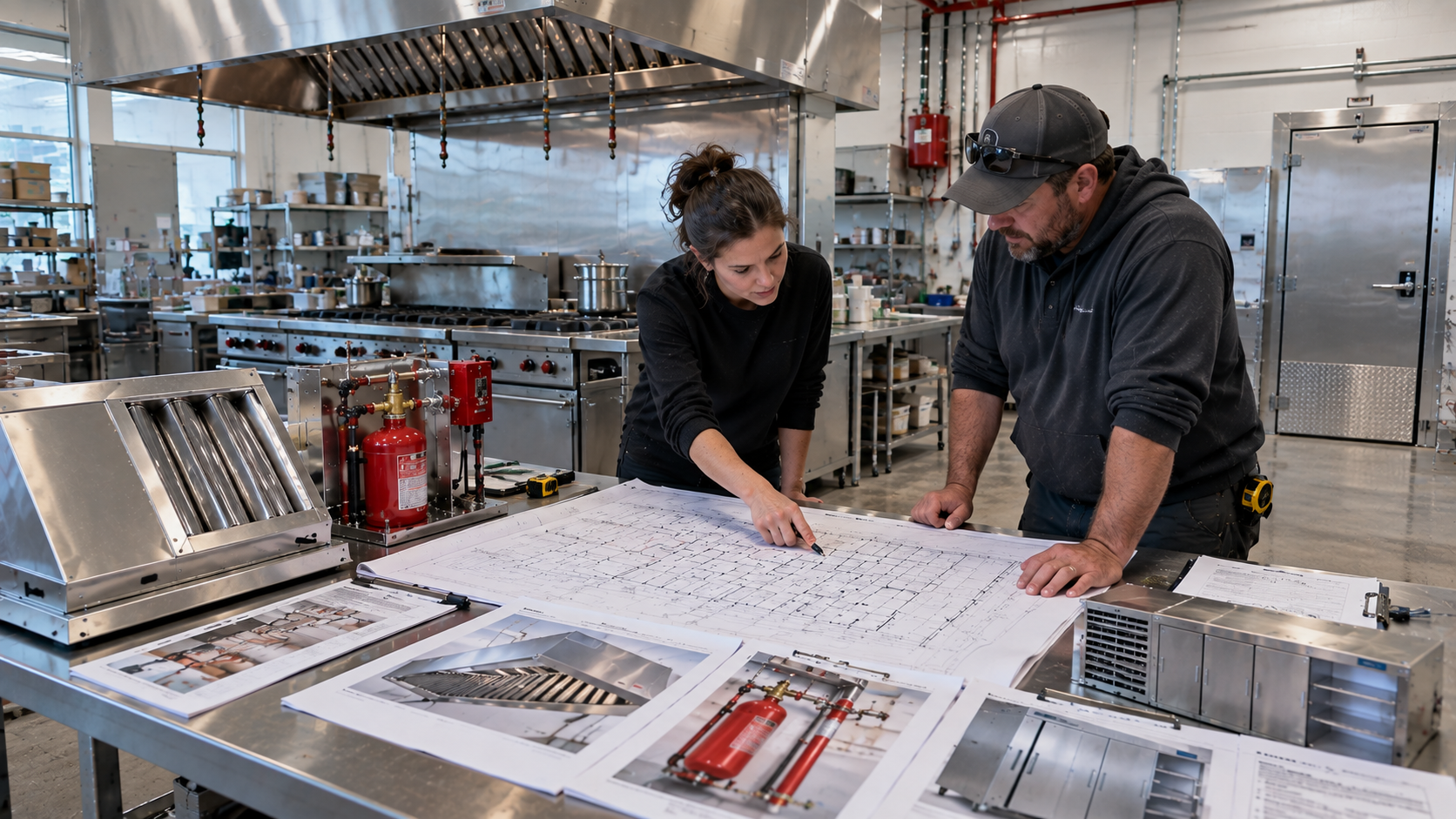
Opening a Restaurant in Virginia: Kitchen Design, Hood, Fire Suppression and Refrigeration Checklist