
Commercial AC Installation Lexington VA | Historic & University District HVAC Experts
Expert AC Solutions for Lexington’s Historic Downtown, University Districts, and Tourism Businesses – Modern Comfort for Legacy Buildings
Key Takeaways
- Historic Lexington buildings require specialized commercial AC solutions that balance modern comfort with architectural preservation requirements
- Lexington's unique mountain valley climate creates specific challenges requiring enhanced humidity control and temperature flexibility
- University event schedules dramatically impact commercial HVAC needs, requiring systems that handle variable occupancy loads
- VRF and ductless mini-split systems offer minimal structural impact while providing zoned comfort control for historic structures
- VA Commercial Repair Solutions brings specialized knowledge of Lexington's climate challenges and historic preservation requirements
Lexington's historic downtown district presents unique commercial AC installation challenges that require specialized expertise. At approximately 1,100 feet elevation between mountain ridges, businesses face distinct climate patterns that standard HVAC approaches simply can't handle effectively. VA Commercial Repair Solutions has been serving the Shenandoah Valley's specialized commercial HVAC needs since 2008, bringing crucial local knowledge to every installation project.
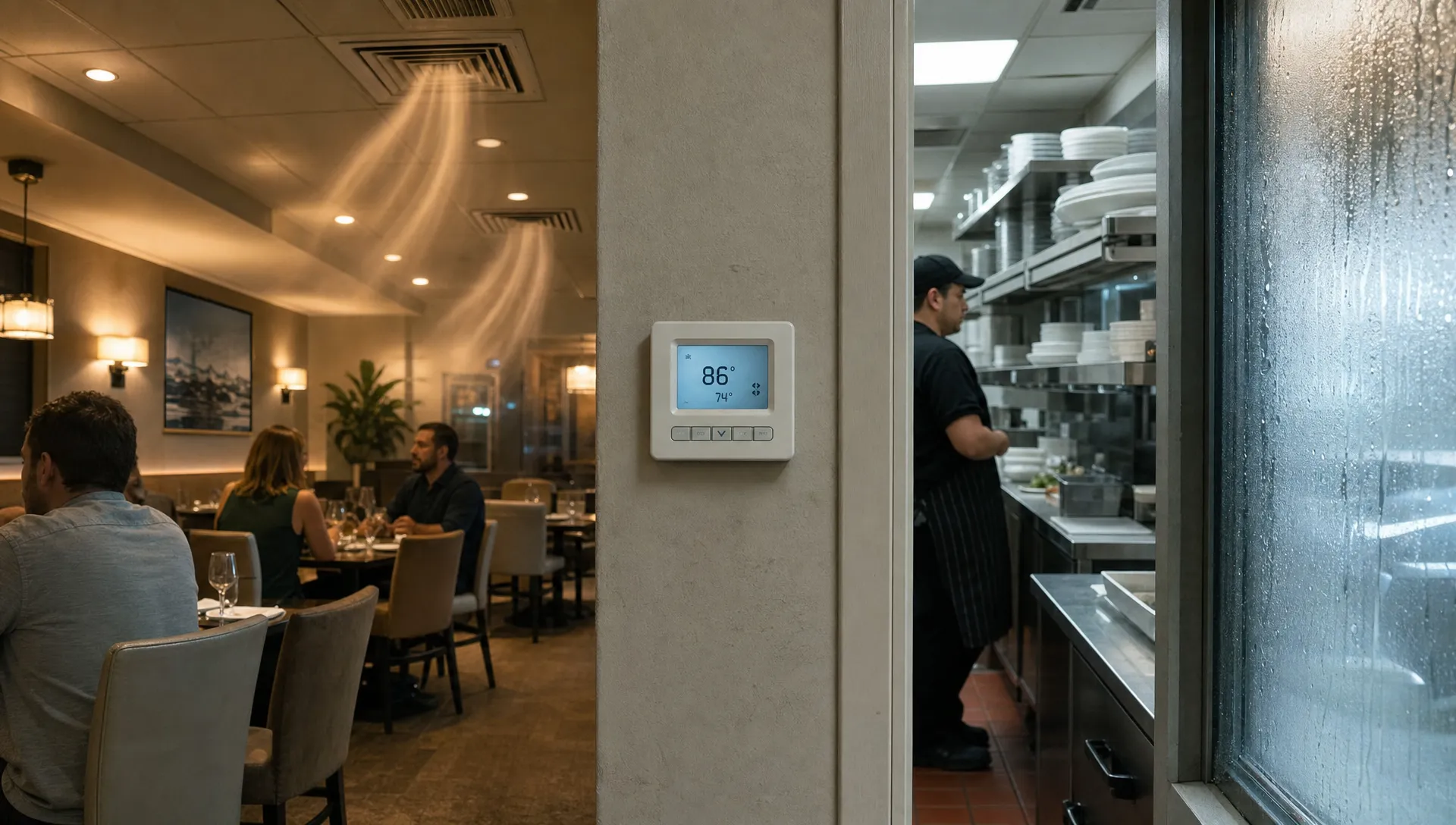
Business owners in Lexington understand that comfort isn't just about customer satisfaction—it's essential for profitability. When summer humidity levels soar to 70% while temperatures hit the upper 80s, inadequate cooling systems can drive customers away and damage inventory. Meanwhile, winter temperature inversions trap cold air in the valley, creating heating challenges that demand sophisticated solutions.
Why Lexington Businesses Need Specialized Commercial AC Solutions
Lexington's commercial buildings represent a perfect storm of HVAC challenges. The combination of historic structures (many dating to the 18th and 19th centuries), mountain valley microclimate effects, and dramatic occupancy fluctuations tied to university events creates demands that generic commercial AC installations simply cannot meet. Businesses that attempt to implement standard solutions frequently encounter comfort complaints, excessive energy costs, and potentially damaging moisture issues.
The concentration of professional services, restaurants, and retail businesses in Lexington's historic downtown district requires systems that operate quietly while maintaining precise temperature and humidity control. These businesses must provide modern comfort standards without compromising the architectural character that makes Lexington attractive to visitors and locals alike. When special events bring thousands of additional visitors to town, these systems must scale up performance without strain.
Lexington Climate Snapshot:
Elevation: 1,100 feet
Temperature Range: 28°F to 86°F
Summer Humidity: 69-71%
Key Challenge: Mountain valley inversions creating rapid temperature fluctuations
Unique Challenges of Historic Building AC Installation in Lexington
Installing commercial AC in Lexington's historic structures requires navigating a complex maze of preservation requirements, structural limitations, and performance expectations. These buildings were never designed for modern occupancy levels or mechanical systems, presenting significant space constraints for equipment and distribution pathways. The challenge intensifies when working within the Historic Downtown Preservation District, where comprehensive design guidelines specifically address mechanical system installations.
Success stories throughout downtown demonstrate that with proper planning and specialized equipment selection, these challenges can be overcome. Restaurants serving university visitors during graduation weekends maintain perfect comfort despite packed dining rooms, while professional offices provide consistent climate control without compromising their historic character.
Preserving Architectural Integrity While Installing Modern Systems
Maintaining architectural integrity represents the foremost challenge when installing commercial AC in Lexington's historic buildings. Exterior condensing units must be positioned at least five feet from property lines and screened from public view, while interior components need to integrate seamlessly with period details. The most successful installations leverage existing chases and closets for vertical distribution, minimizing the impact on original plaster walls and decorative elements. VA Commercial Repair Solutions has developed specialized approaches that enable modern HVAC performance while respecting the architectural character that attracts visitors to Lexington's downtown district.
Working Within 18th and 19th Century Building Constraints
The structural reality of 18th and 19th century buildings creates significant limitations for commercial AC installations. Thick masonry walls, post-and-beam construction methods, and limited ceiling cavities require creative approaches to equipment selection and distribution pathways. These buildings typically lack the interstitial spaces modern structures provide for ductwork and piping, necessitating alternative distribution methods. Additionally, load-bearing structural elements cannot be compromised, further restricting available pathways for mechanical systems.
Meeting Historic District Regulations
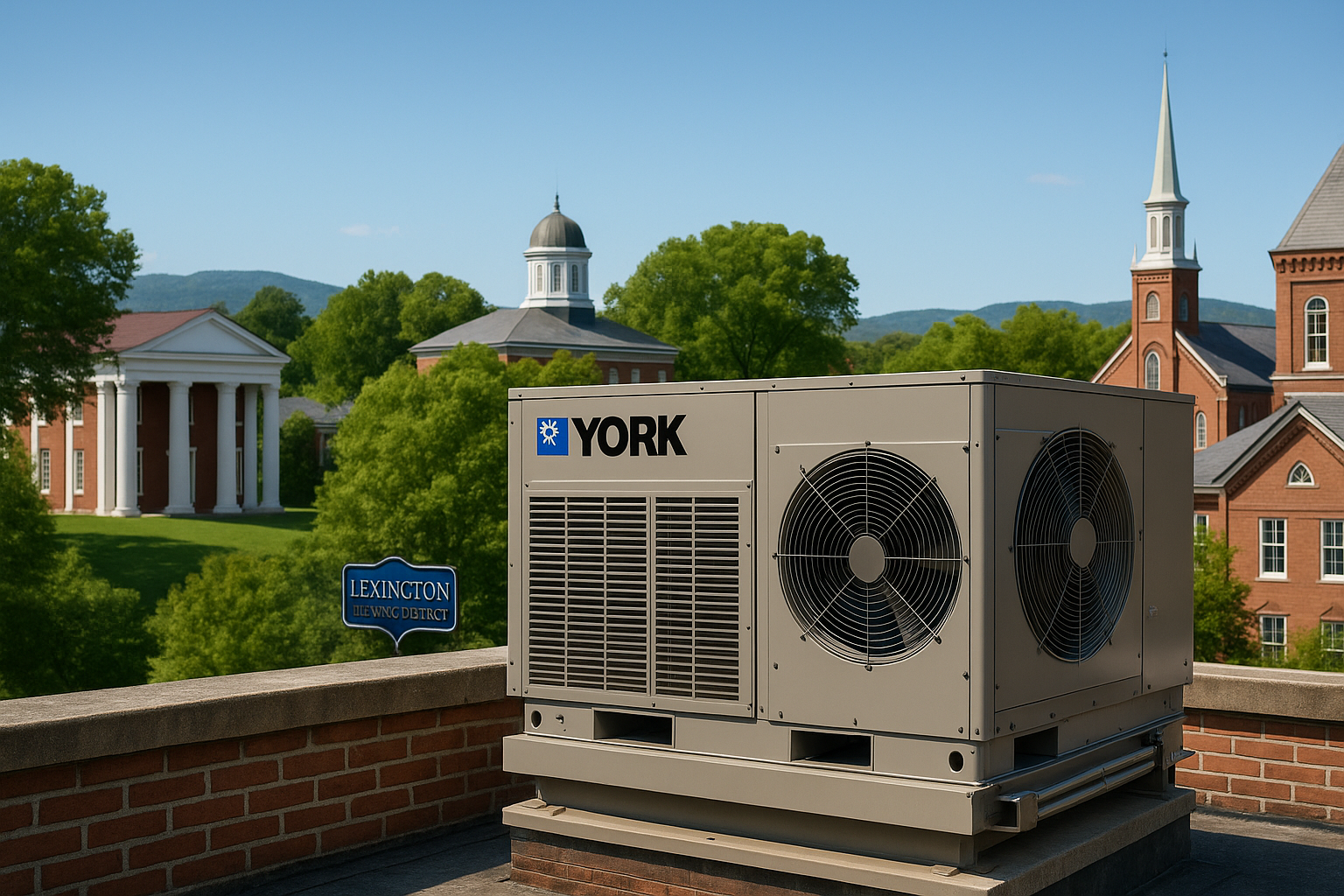
Lexington's Historic Downtown Preservation District operates under comprehensive design guidelines that specifically address mechanical system installations. These regulations require that HVAC equipment be positioned at least five feet from property lines and visually screened from public areas. Rooftop installations must remain below parapet walls or be set back to prevent visibility from street level. Any modification to exterior walls or roofs requires review and approval from the Historic Preservation Board before permits can be issued, adding crucial planning steps to the installation timeline.
Climate Factors Impacting Commercial AC Needs in Lexington
Lexington's climate presents a perfect storm of challenges for commercial HVAC systems. The combination of Shenandoah Valley temperature extremes, mountain valley weather effects, and high humidity levels creates demands that standard commercial AC installations struggle to meet. These climate factors don't just impact comfort—they affect system longevity, energy consumption, and even building integrity when not properly addressed.
The surrounding Blue Ridge Mountains provide some moderating effects on Lexington's climate while simultaneously creating localized weather patterns that influence HVAC system performance. Valley inversions can trap cold air during winter months, while summer humidity gets concentrated in the valley. These unique conditions require commercial systems specifically designed for Lexington's microclimate, not generic installations better suited to coastal Virginia or other regions.
Shenandoah Valley Temperature Extremes (28°F to 86°F)
Lexington's location in the Shenandoah Valley creates temperature fluctuations that demand flexible commercial HVAC systems. Winter lows averaging 28°F combine with summer highs reaching 86°F to create a broad operating range requirement. These averages don't capture the complexity of Lexington's climate, where buildings can experience rapid temperature changes as cold air settles in the valley while warmer air remains at higher elevations. This phenomenon requires commercial HVAC systems capable of responding quickly to changing conditions, with sophisticated controls that anticipate rather than simply react to temperature shifts.
High Humidity Levels Requiring Enhanced Control
Lexington's humidity levels present significant challenges for commercial AC systems, with summer months averaging 69-71% relative humidity. This high moisture content creates substantial latent cooling loads that require systems with robust dehumidification capabilities. VA Commercial Repair Solutions has found that undersized dehumidification systems in Lexington's climate can lead to comfort complaints, indoor air quality issues, and potential moisture damage in commercial buildings, particularly those housing sensitive materials or equipment.
The combination of high humidity and variable occupancy in commercial spaces like restaurants and retail shops requires sophisticated moisture removal capabilities beyond standard commercial equipment. Systems must be specifically selected and configured for these mountain valley conditions, incorporating enhanced humidity control features such as variable-speed compressors, reheat capabilities, and precision controls that balance temperature and humidity requirements independently.
Mountain Valley Weather Pattern Considerations
Nestled between mountain ridges, Lexington experiences unique weather patterns that directly impact commercial HVAC performance and design requirements. Temperature inversions frequently trap cooler air in the valley while warmer air sits above, creating rapid temperature fluctuations that standard systems struggle to address. Spring and fall seasons bring highly variable patterns requiring flexible HVAC system response, with temperature swings of 30-40°F within single days demanding systems capable of switching between heating and cooling modes efficiently.
The valley's elevation and topography create wind patterns that affect building pressurization and infiltration rates, further complicating commercial AC installations. Properly designed systems must account for these microclimatic effects to maintain consistent comfort regardless of outdoor conditions. Systems that perform adequately in other Virginia locations often prove inadequate when faced with Lexington's unique mountain valley environment.
How University Schedules Drive Commercial AC Requirements
The presence of Washington and Lee University and Virginia Military Institute creates predictable but extreme fluctuations in commercial building occupancy throughout Lexington. Graduation ceremonies, commissioning events, parents' weekends, and alumni gatherings bring thousands of additional visitors, dramatically increasing cooling demands in restaurants, shops, and hotels. Commercial HVAC systems must provide enhanced capacity during these peak periods while maintaining efficiency during quieter times.
These predictable occupancy fluctuations require commercial systems with exceptional turndown capabilities—the ability to operate efficiently at both maximum and minimum capacity. Traditional commercial systems that cycle on and off to meet varying loads waste energy and create uncomfortable temperature swings, particularly problematic in Lexington's humidity-prone climate. Modern variable capacity systems address these challenges by providing precise output matching to actual building requirements.
Peak Capacity Planning for Graduation and Special Events
Graduation and commissioning ceremonies represent the most intense occupancy periods for Lexington businesses, creating exceptional demands on commercial HVAC infrastructure. During these peak events, restaurants and retail spaces may see occupancy levels triple compared to normal operations, with corresponding increases in cooling requirements. Commercial systems must handle not only the sensible heat from additional bodies but also the substantial latent load from increased humidity production, all while maintaining comfortable conditions.
The challenge intensifies during late spring ceremonies when outdoor temperatures can reach the mid-80s with high humidity, making it difficult for standard equipment to reject heat to already-warm outdoor air. VA Commercial Repair Solutions has observed that properly sized systems with adequate dehumidification capacity prove essential for maintaining comfort in Lexington's commercial buildings during these peak demand periods. Businesses that invest in appropriate capacity planning maintain customer satisfaction during these crucial revenue-generating events.
System Reliability During Critical Revenue Periods
For Lexington businesses, HVAC reliability during university events isn't just about comfort—it directly impacts profitability. These concentrated periods often generate a disproportionate percentage of annual revenue, making system failures extraordinarily costly. Commercial AC installations must prioritize redundancy, component quality, and accessibility for emergency service to minimize downtime risks during these critical periods.
Preventive maintenance scheduling becomes particularly crucial, with system inspections and service timed strategically around the academic calendar. Commercial building owners who align maintenance schedules with university events report significantly fewer emergency service calls and maintain consistent comfort even during peak demand periods. VA Commercial Repair Solutions provides maintenance programs specifically designed around Lexington's unique business cycles.
Best Commercial AC Systems for Historic Lexington Buildings
Selecting the right commercial AC system for historic Lexington buildings requires balancing preservation requirements, performance needs, and energy efficiency goals. The ideal solution varies based on building configuration, business type, and preservation constraints, but several technologies have proven particularly effective in addressing Lexington's unique challenges. These systems offer the flexibility, zoning capabilities, and minimal structural impact needed for successful historic building installations.
Ductless Mini-Split Options for Minimal Structural Impact
Ductless mini-split systems have revolutionized commercial AC installation in Lexington's historic buildings by eliminating the need for extensive ductwork. These systems require only a small conduit bundle (typically 3" diameter) between indoor and outdoor components, minimizing structural modifications and preserving architectural integrity.
Multiple indoor units can connect to a single outdoor condensing unit, allowing zoned comfort control while maintaining the building's historic character. For smaller commercial spaces like boutique retail shops and professional offices, these systems provide ideal solutions that balance preservation concerns with modern comfort requirements.
VRF Systems for Zoned Temperature Control
Variable Refrigerant Flow (VRF) systems represent the gold standard for commercial AC installations in larger historic Lexington buildings. These sophisticated systems vary refrigerant flow to precisely match building requirements, providing exceptional efficiency while offering independent temperature control for different zones. The ability to simultaneously heat and cool different areas makes VRF technology particularly valuable for buildings with varying exposures or mixed-use configurations.
For commercial buildings with both street-facing and interior spaces, VRF systems address the significantly different cooling loads these areas experience throughout the day. The minimal distribution requirements—small-diameter refrigerant lines rather than bulky ductwork—preserve historic interiors while providing state-of-the-art comfort. Though initial investment exceeds conventional systems, energy savings and preservation benefits make VRF the preferred choice for many of Lexington's premier commercial properties.
Energy-Efficient Solutions for Variable Occupancy
Lexington's commercial spaces experience dramatic occupancy fluctuations that demand energy-efficient systems capable of responding to varying loads. Modern inverter-driven compressor technology provides the precise capacity modulation needed, operating at exactly the level required rather than cycling on and off. This capability maintains consistent temperatures while reducing energy consumption and wear on system components.
The moderate temperature range throughout the year makes heat pump systems particularly attractive for Lexington commercial applications. Modern cold-climate heat pumps maintain efficiency even at the low temperatures experienced in the valley, while providing excellent cooling performance during humid summer months. These dual-function systems reduce equipment footprint—a critical consideration in space-constrained historic buildings—while delivering superior energy efficiency compared to separate heating and cooling equipment.
Low-Profile Equipment for Preservation Compliance
Meeting Lexington's historic district requirements demands low-profile equipment that minimizes visual impact while delivering necessary performance. Specially designed condensing units with reduced height profiles can be positioned below parapet walls or behind architectural screening elements, satisfying preservation requirements while maintaining system efficiency. Indoor components designed specifically for historic retrofits provide modern comfort with minimal ceiling space requirements, preserving original room proportions and architectural details that give Lexington's commercial buildings their distinctive character.
Maintenance Requirements for Commercial Systems in Lexington's Climate
Commercial AC systems in Lexington face unique maintenance challenges due to the combination of mountain valley climate conditions and historic building installations. Regular maintenance isn't just about preventing breakdowns—it's essential for preserving system efficiency, extending equipment lifespan, and protecting historic structures from moisture-related damage. The maintenance requirements for these systems differ significantly from those in other Virginia locations due to Lexington's specific climate profile.
The dramatic seasonal shifts from humid summers to cold winters demand comprehensive maintenance protocols tailored to Lexington's environment. Commercial systems must transition seamlessly between cooling and heating modes, often within the same day during spring and fall. This operational flexibility requires more frequent attention to controls, filters, and mechanical components than systems in more stable climate zones.
Seasonal Preparation for Extreme Weather
Lexington's commercial AC systems require specific seasonal maintenance to handle the valley's extreme weather conditions. Summer preparation must focus on condensate drainage systems, as the high humidity creates substantial moisture removal demands that can overwhelm standard drainage provisions. Cooling coils need thorough cleaning to maintain dehumidification capacity, while refrigerant levels must be precisely maintained for optimal performance in high-load conditions. Fall transitions demand particular attention to heating components, controls, and ventilation systems as buildings shift from cooling to heating requirements.
University Calendar-Based Maintenance Planning
Smart commercial building owners in Lexington align their maintenance schedules with the academic calendar to ensure peak system performance during critical revenue periods. Comprehensive system inspections should be scheduled 4-6 weeks before major university events, allowing time for any necessary repairs or adjustments before visitor influxes. This calendar-based approach prevents emergency service calls during peak business periods while extending equipment life through proactive maintenance.
Graduation weekends, alumni events, and parents' weekends create exceptional demands on commercial AC systems, making pre-event maintenance essential for business continuity. These predictable occupancy surges provide perfect opportunities to implement seasonal maintenance tasks, ensuring systems operate at peak efficiency when it matters most. VA Commercial Repair Solutions offers maintenance programs specifically structured around Lexington's academic calendar, helping businesses maintain consistent comfort during their most profitable periods.
Beyond university events, maintenance planning should account for Lexington's seasonal climate transitions. Spring maintenance should focus on cooling system preparation and air quality components, while fall service emphasizes heating system readiness and humidification calibration. This seasonal approach ensures commercial systems maintain optimal performance regardless of Lexington's variable weather patterns.
Commercial HVAC Maintenance Calendar for Lexington Businesses
March/April: Pre-cooling season inspection (before spring events)
July: Mid-summer performance check (humidity control focus)
August: Pre-fall semester preparation
October: Heating system preparation
December: Mid-winter performance check
Special: 4-6 weeks before major university events
Selecting the Right Commercial HVAC Partner in Lexington
Choosing the right commercial HVAC partner represents perhaps the most crucial decision in the entire installation process. The unique challenges of Lexington's historic buildings and mountain valley climate demand specialized expertise beyond standard commercial AC knowledge. The ideal partner brings deep understanding of historic preservation requirements, experience with Lexington's specific climate challenges, and responsive service capabilities aligned with business operational needs.
Experience with Historic Building Installations
When evaluating potential HVAC partners for Lexington commercial installations, prioritize firms with demonstrated experience in historic building projects. Ask for specific examples of installations in buildings similar to yours, focusing on how they've addressed preservation requirements while delivering modern comfort. The best partners will provide detailed explanations of their approaches to minimizing structural impact, preserving architectural features, and navigating historic district requirements. VA Commercial Repair Solutions has completed numerous successful installations throughout Lexington's historic district, developing specialized techniques that respect architectural integrity while delivering exceptional comfort performance.
Understanding of Local Climate Challenges
Lexington's unique climate conditions require HVAC partners with specific knowledge of the valley's microclimate effects. Generic commercial AC approaches developed for other regions consistently underperform in Lexington's environment, particularly regarding humidity control and seasonal transitions. Look for partners who can articulate specific strategies for addressing mountain valley weather patterns, temperature inversions, and humidity challenges. Qualified providers will discuss how their system designs account for these local conditions rather than applying one-size-fits-all commercial solutions.
Emergency Service Availability During Peak Business Periods
For Lexington businesses, system reliability during university events and peak tourism periods directly impacts profitability. When selecting an HVAC partner, verify their emergency service capabilities during these critical times, including weekends and evenings when many special events occur. The best providers maintain dedicated service teams during Lexington's busiest periods, understanding that system failures during graduation weekend or parents' events cannot wait for standard business hours. VA Commercial Repair Solutions maintains 24/7 emergency coverage with priority response for commercial clients during university events, recognizing these periods' financial importance to Lexington businesses.
Next Steps for Your Lexington Business AC Installation
The journey toward optimal commercial AC performance begins with a comprehensive assessment of your building's specific requirements and preservation constraints. This process should include detailed load calculations accounting for Lexington's climate conditions, occupancy patterns, and building envelope characteristics. Experienced providers will analyze your current system's performance gaps while identifying opportunities to improve comfort, efficiency, and reliability through targeted upgrades or complete system replacement.
Following assessment, request detailed proposals that specify equipment selections, installation approaches, and expected performance improvements. The most valuable proposals will address preservation requirements, energy efficiency projections, and maintenance considerations specific to your building and business type. VA Commercial Repair Solutions provides comprehensive commercial assessments for Lexington businesses, delivering detailed recommendations tailored to historic building requirements and local climate challenges.
Frequently Asked Questions
Commercial property owners in Lexington consistently ask several key questions when considering AC installation projects. These inquiries reflect the unique challenges of maintaining modern comfort standards in historic structures while navigating preservation requirements and business operational needs. Understanding these common concerns helps businesses make informed decisions about their commercial comfort investments.
The following questions address the most common concerns raised by Lexington commercial property owners, providing insights based on extensive experience with local installations. These answers reflect the specific considerations relevant to Lexington's climate, building stock, and regulatory environment rather than generic commercial HVAC guidance.
How long does a typical commercial AC installation take in a historic Lexington building?
Installation timelines for commercial AC systems in historic Lexington buildings typically range from 3-10 days depending on system complexity, building size, and preservation requirements. Ductless mini-split installations for smaller spaces generally complete in 3-5 days, while comprehensive VRF systems for larger commercial buildings may require 7-10 days. These timelines include all phases from equipment delivery through final testing and commissioning. VA Commercial Repair Solutions develops detailed installation schedules that minimize business disruption, often completing critical work during off-hours to maintain normal operations during installation.
What permits are required for commercial AC installation in Lexington's Historic District?
Commercial AC installations in Lexington's Historic District require both standard mechanical permits and Historic Preservation Board approval. The mechanical permit application must include detailed equipment specifications, installation locations, and structural impact assessments. For buildings within the Historic Downtown Preservation District, property owners must submit additional documentation showing equipment visibility from public areas, screening plans, and any proposed modifications to building exteriors.
The approval process typically takes 2-4 weeks, with Historic Preservation Board reviews adding additional time depending on the monthly meeting schedule. Working with experienced contractors familiar with Lexington's requirements can significantly streamline this process, as they understand exactly what documentation different departments require and how to present installation plans that meet preservation guidelines.
Can modern AC systems be installed without damaging historic architectural features?
Yes, modern commercial AC systems can be installed with minimal impact on historic architectural features when designed specifically for preservation-sensitive applications. Technologies like VRF and ductless mini-split systems require only small-diameter refrigerant lines rather than bulky ductwork, dramatically reducing structural impacts. These systems can utilize existing chases, closets, and wall cavities to route distribution lines while preserving original plaster, woodwork, and decorative elements.
The most successful installations begin with comprehensive architectural documentation to identify critical preservation zones and potential distribution pathways that minimize impact on significant features. VA Commercial Repair Solutions conducts detailed building surveys before design begins, collaborating with preservation specialists to develop installation approaches that maintain architectural integrity while delivering modern comfort performance.
What financing options are available for Lexington businesses upgrading their HVAC systems?
Lexington businesses have several financing pathways for commercial AC installations, including traditional equipment loans, lease-to-own arrangements, and energy efficiency financing programs. Local banks familiar with Lexington's commercial market offer specialized improvement loans for historic buildings, often with favorable terms for energy efficiency upgrades. These typically feature terms of 5-7 years with competitive interest rates based on business credit profiles.
Additionally, utility-sponsored financing programs provide attractive options specifically for energy-efficient commercial HVAC upgrades. These programs often offer below-market interest rates or rebates based on projected energy savings, making premium high-efficiency systems more affordable. For historic commercial properties, state historic preservation tax incentives may apply to HVAC upgrades that support building preservation, providing additional financial benefits beyond energy savings.
How much energy savings can I expect after upgrading from an older commercial AC system?
Commercial buildings in Lexington typically achieve 30-50% energy savings when upgrading from older systems to modern high-efficiency equipment. The most significant savings come from replacing systems over 15 years old with current variable-capacity technologies that match output precisely to building requirements. Businesses that implement zoning capabilities see additional savings by providing conditioning only where and when needed rather than treating entire buildings uniformly.
The actual savings percentage varies based on building characteristics, current system condition, and business operational patterns. Restaurants with variable occupancy patterns often see savings at the higher end of this range, while professional offices with consistent schedules might experience savings toward the lower end. VA Commercial Repair Solutions provides detailed energy analysis as part of commercial system assessments, projecting specific savings based on your building's unique characteristics and usage patterns.
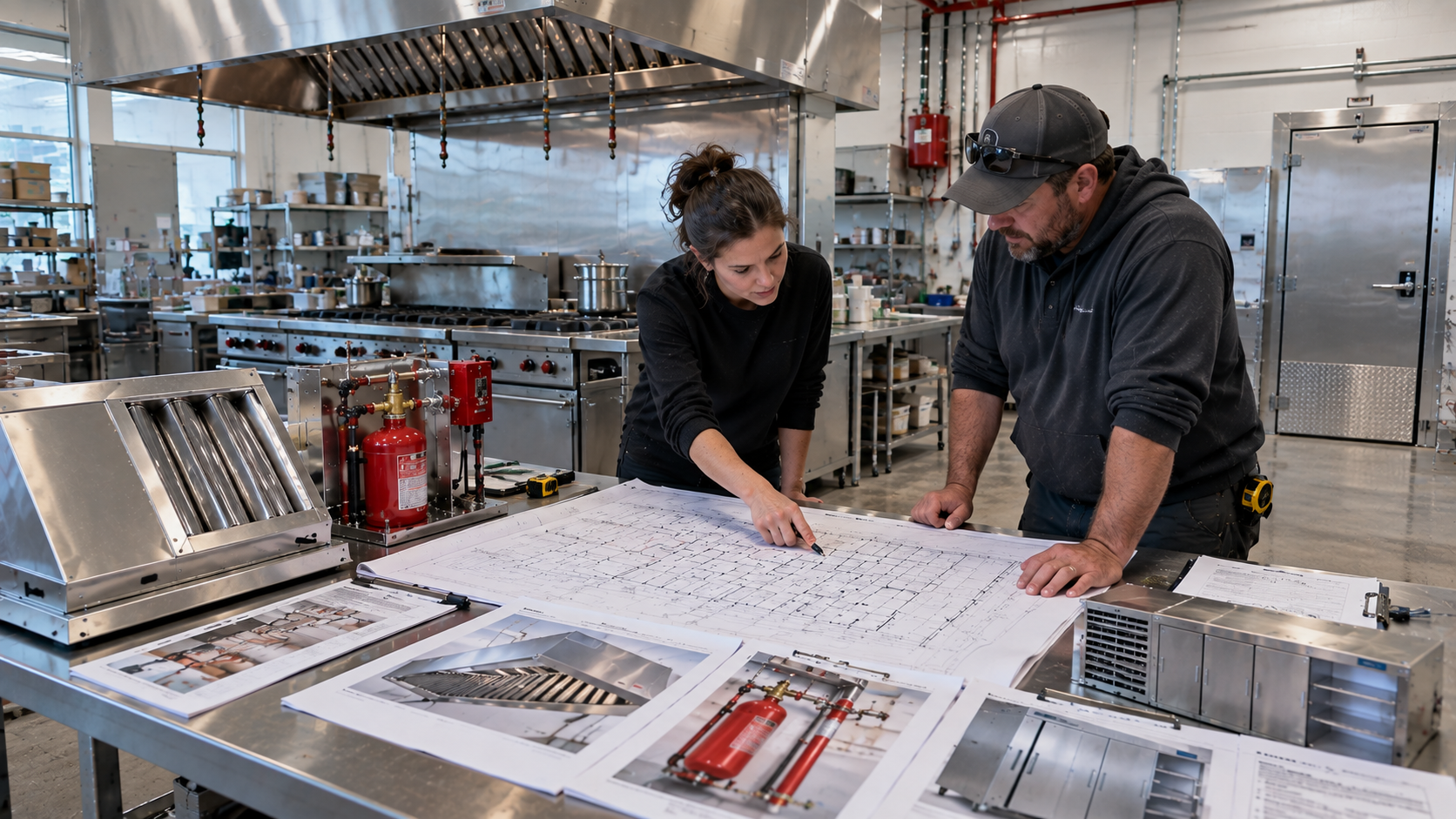
Opening a Restaurant in Virginia: Kitchen Design, Hood, Fire Suppression and Refrigeration Checklist